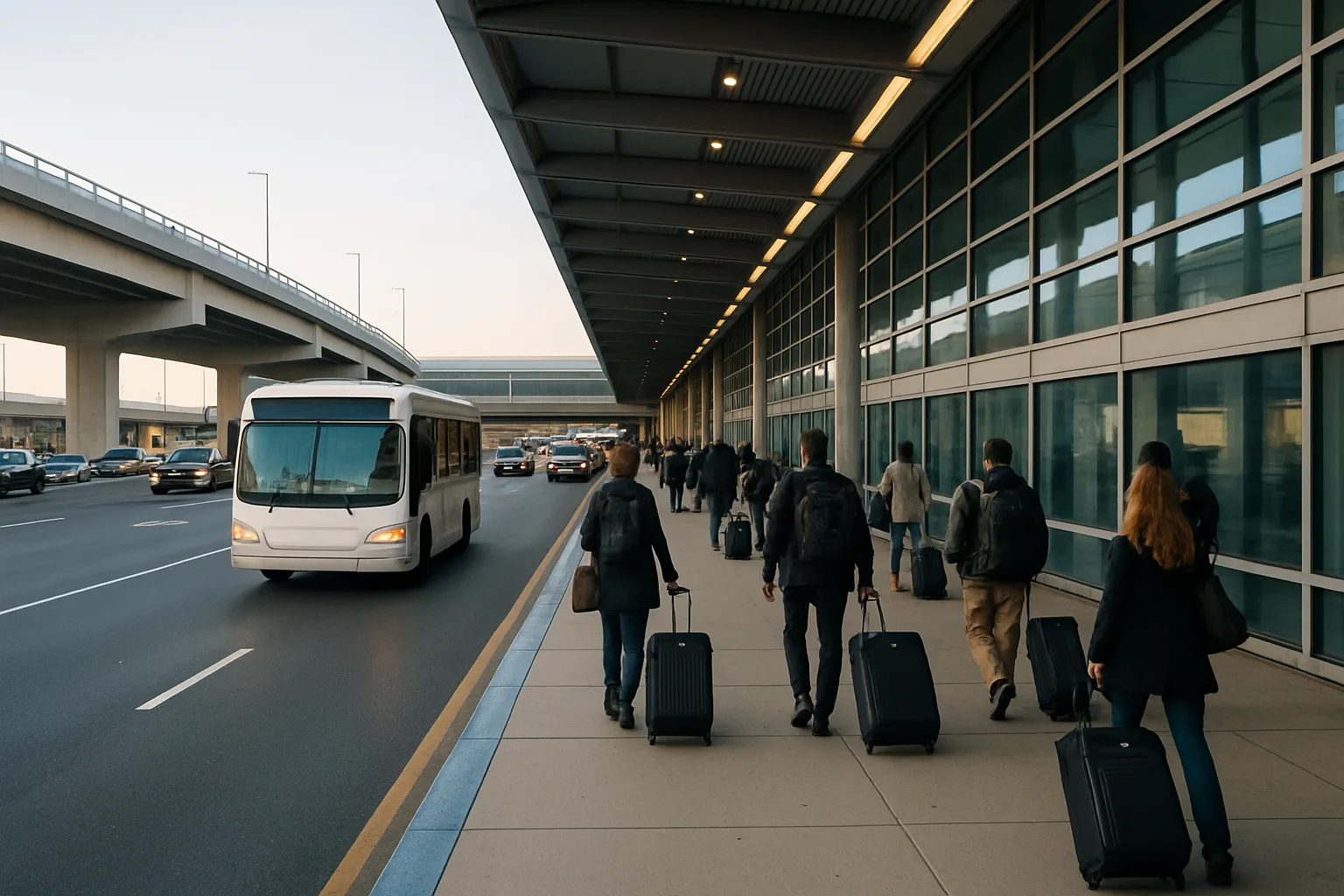
A serious pedestrian accident can happen in a matter of seconds at an airport. A vehicle may turn across a terminal curb, a shuttle may enter a marked pedestrian route, or confusing barriers may direct people into moving traffic. After an incident at Philadelphia International Airport, it is not always obvious who controlled the area or who may have had responsibility for preventing the collision.
If you are asking, “What should you know after a pedestrian accident at Philadelphia International Airport?” the answer begins with identifying the location, the operators involved, and the evidence that may show what happened. A Philadelphia airport pedestrian accident lawyer can help explain the issues without assuming in advance that any one party is legally responsible. Eric A. Shore provides guidance on premises liability and personal injury questions, including how airport-specific facts can affect an investigation.
This article discusses immediate documentation, possible sources of responsibility, Pennsylvania claim considerations, common mistakes, and questions injured travelers and airport workers often have.
What Should You Know After a Philadelphia Airport Pedestrian Accident?
An airport is not one simple property setting. Philadelphia International Airport includes terminal curbs, pedestrian crossings, baggage areas, parking structures, rental-car facilities, shuttle lanes, roadways, and areas controlled by different businesses or public entities. The correct legal analysis may depend on precisely where the incident occurred and which party had control over that space.
Identify the Accident Area
Try to record the specific terminal, door, curbside zone, garage level, shuttle stop, rental-car area, or connecting roadway. Photos of lane markings, barriers, lighting, bollards, signs, traffic signals, and sightlines may help show how pedestrians and vehicles were expected to move. Conditions can change quickly after an accident, so photographs and witness information may become important.
A curbside pedestrian injury in Philadelphia may involve a turning vehicle, a rideshare or hotel shuttle, a loading-zone conflict, or an unclear path between the terminal and parking. These possibilities require different evidence. A person who was struck while walking through a garage may face a different set of questions from someone hit in a shuttle lane.
Consider Who Controlled the Area
Responsibility may potentially involve more than the person behind the wheel. Depending on the facts, an investigation may examine:
- The driver’s conduct, visibility, speed, turning movement, and attention;
- The airport operator’s planning, maintenance, lighting, barriers, and pedestrian routing;
- A shuttle company’s driver training, vehicle operation, and designated loading area;
- A rental-car or parking contractor’s traffic layout, signs, attendants, and safety procedures; or
- A hotel or transportation provider that operated a shuttle near the terminal.
Control and contractual duties can be complicated. A Philadelphia airport pedestrian accident lawyer may review the physical site and relationships among these parties before reaching conclusions about a potential claim.
How Can Evidence Clarify an Airport Pedestrian Injury Claim in Philadelphia?
Airport incidents often involve surveillance systems, access records, transportation schedules, and multiple witnesses. Some evidence may be held by the airport, a contractor, a transportation company, or a nearby business. Promptly identifying potentially useful material can matter because video may be overwritten and roadway conditions may be altered.
Depending on the circumstances, relevant evidence may include:
- Photographs and video of the scene, vehicles, markings, lighting, barriers, and pedestrian routes;
- Names and contact information for witnesses, airport employees, shuttle passengers, or first responders;
- Medical records and bills documenting evaluation and treatment, without assuming a diagnosis or future outcome;
- Incident reports, transportation schedules, dispatch information, and vehicle inspection records;
- Surveillance footage from terminals, baggage areas, garages, shuttle stops, or nearby businesses; and
- Communications with insurers, transportation providers, contractors, or property representatives.
Pennsylvania and Philadelphia Considerations
A claim arising in Philadelphia generally involves Pennsylvania law, but the applicable rules can vary based on the parties and the location. Claims involving a public entity may raise special immunity, notice, or procedural issues. Claims involving private contractors, drivers, rental-car businesses, hotels, or transportation companies may involve different theories and defenses.
Pennsylvania’s comparative-fault principles may also become relevant when parties dispute how an injured person and other actors contributed to an incident. That does not determine a particular case by itself. The facts, available evidence, insurance coverage, and applicable deadlines all require careful review. Because laws and procedures can change, a lawyer evaluating a Philadelphia airport premises liability matter may verify the current requirements rather than rely on general assumptions.
What Mistakes Can Complicate a Philadelphia Airport Shuttle or Parking Claim?
People who are injured at an airport may be focused on catching a flight, finding family members, or dealing with pain and confusion. Even so, several avoidable issues can make later investigation more difficult. General information cannot determine what a particular person should do, but understanding these risks can help explain why prompt legal evaluation may be useful.
Common problems include:
- Leaving before obtaining witness information or documenting the area, when it is safe and practical to do so;
- Assuming the driver is the only potentially relevant party;
- Failing to identify whether a shuttle, hotel, rental-car, or parking contractor was involved;
- Giving a recorded statement or signing documents before understanding what is being requested;
- Posting detailed photographs or descriptions of the incident on social media; and
- Waiting to seek medical attention or legal guidance while symptoms or evidence develop.
A lawyer may also examine whether the airport’s pedestrian routing was temporary, whether construction or a closure redirected foot traffic, and whether lighting or visibility affected the event. In an airport parking garage pedestrian accident, the analysis may include traffic flow, payment or access areas, security footage, maintenance, and the relationship between the garage owner and its operator.
The process may include preserving evidence, identifying potentially responsible parties, communicating with insurers, reviewing medical documentation, and assessing whether negotiation or litigation is appropriate. A consultation does not require assuming that a claim will succeed; it gives the injured person an opportunity to discuss available legal options.
Frequently Asked Questions
Should I report a pedestrian accident at Philadelphia International Airport?
An airport or transportation incident report may create a useful record, but it may not contain every fact relevant to a later claim. If emergency responders, airport personnel, or a transportation company documented the event, keep any information you receive about the report. An injured person may also wish to preserve photographs and witness details when safe. Reporting procedures can vary by location and operator, so a lawyer can explain how they may affect the situation.
Can a shuttle company be involved in an airport pedestrian accident claim?
Potentially. If a shuttle vehicle or driver was involved, the investigation may examine the company’s role, the driver’s conduct, the designated lane, loading procedures, and available video or dispatch records. A hotel, rental-car business, or other transportation provider may also be relevant depending on who operated the vehicle and controlled the area. Whether a claim exists depends on the specific facts, applicable Pennsylvania law, and available evidence.
What if poor signs or barriers contributed to my airport injury?
Confusing signs, misplaced barriers, inadequate lighting, or an unsafe pedestrian route may be relevant to a premises liability analysis. The key questions can include who controlled the area, whether the condition was known or reasonably discoverable, how long it existed, and whether it contributed to the incident. These issues can be especially fact-specific at Philadelphia International Airport, where public and private operations may overlap.
Does speaking with a lawyer mean I must file a lawsuit?
No. A consultation generally allows an injured person to describe the incident, learn about possible responsible parties, and discuss evidence and deadlines. Some matters may be addressed through insurance communications or negotiation, while others may require litigation. No lawyer can promise a particular outcome in advance. A licensed Pennsylvania attorney can explain the available options based on the person’s circumstances.
How Eric A. Shore Can Help
Eric A. Shore is dedicated to helping injured people understand personal injury and premises liability concerns after complex incidents. The firm is committed to fighting for clients’ rights while examining the practical details that may matter, including airport boundaries, contractor relationships, surveillance evidence, transportation records, and the condition of pedestrian routes.
If you were hurt at Philadelphia International Airport, the firm is ready to evaluate your situation and discuss whether a potential claim may exist. Contact Eric A. Shore for a free consultation and an opportunity to explore your legal options.
The information in this article is for educational purposes only and does not constitute legal advice. Contact a qualified attorney licensed in Philadelphia, PA for advice specific to your situation.