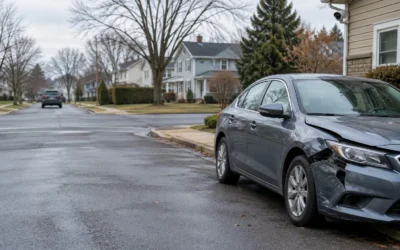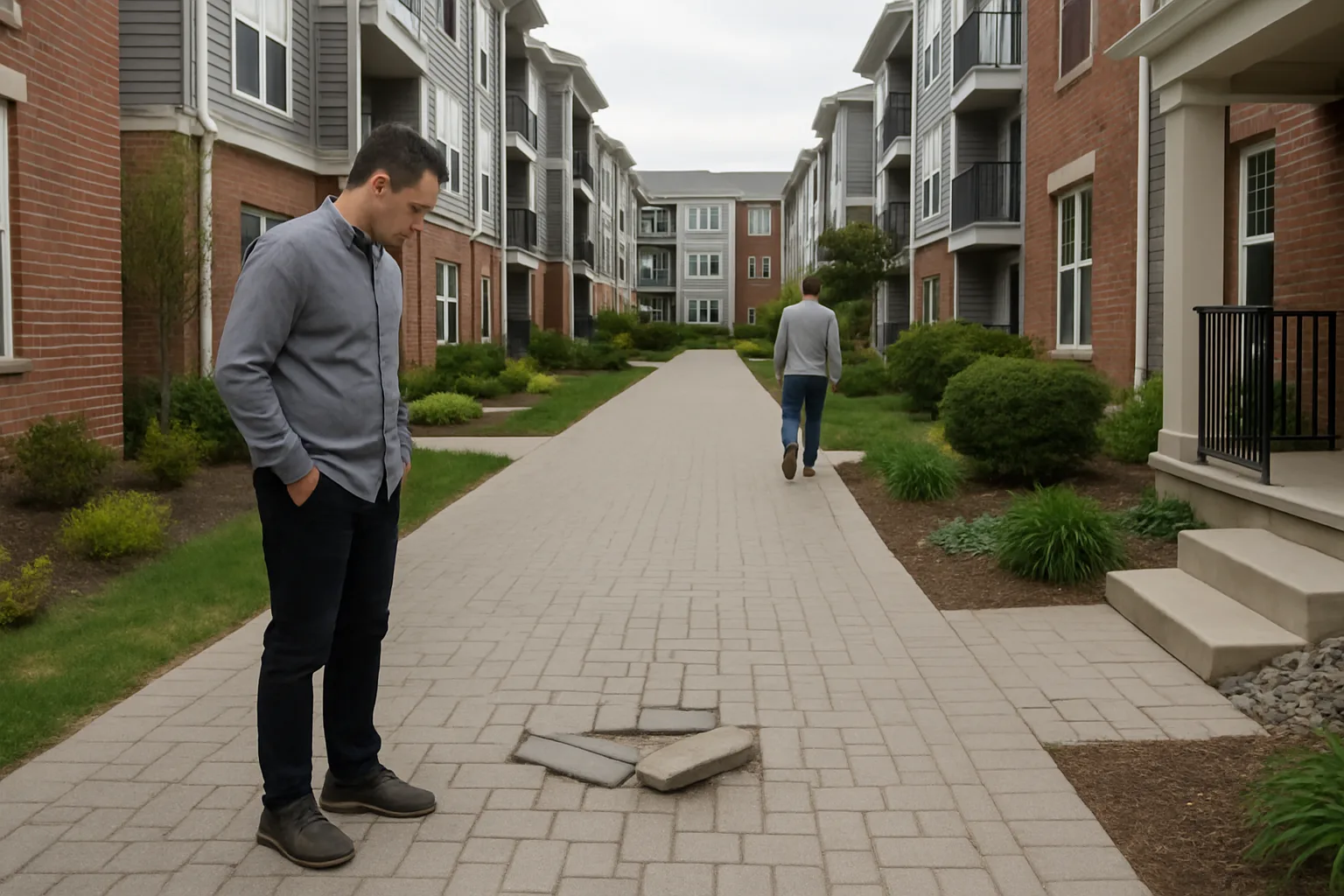
A cracked walkway outside an apartment building may look like a minor maintenance issue until someone trips, falls, or suffers another injury. If you are searching for a New Jersey apartment walkway injury lawyer, you may be wondering whether the landlord, property manager, condominium association, or another party is legally responsible.
Responsibility is not automatic. It can depend on who controlled the walkway, who had a duty to maintain it, whether a hazardous condition existed, and whether the responsible party knew or reasonably should have known about the problem. The details may also differ between a rental community, a condominium complex, and a property managed by a third-party company.
Eric A. Shore provides legal guidance for people evaluating premises liability and personal injury concerns. This article explains what to document after a walkway injury, how to report the condition, how to identify potentially responsible entities, and why medical documentation matters in a New Jersey claim.
What a New Jersey Apartment Walkway Injury Lawyer Examines
A walkway injury claim usually begins with the physical condition of the property. Common hazards include cracked or heaved pavement, uneven surfaces, loose pavers, poor drainage, ice or standing water, missing handrails, inadequate lighting, and objects blocking a path. The condition should be evaluated in context, including its location, size, visibility, lighting, weather, and how it affected safe pedestrian travel.
Control and maintenance responsibilities
The person or entity that owns a property is not always the only party involved in maintenance. A landlord may hire a property management company, landscaping business, snow-removal contractor, or building maintenance vendor. In a condominium community, responsibility may be divided between an association, unit owner, managing agent, or contractor under governing documents and service agreements.
A central question is who had control over the specific walkway and an obligation to inspect, repair, clean, light, or clear it. Lease documents, condominium rules, maintenance records, work orders, and contracts may help clarify those roles. A resident’s description of the area is important, but it may not by itself establish legal responsibility.
Notice of the hazardous condition
In many New Jersey premises liability matters, the timing and quality of notice are significant. Evidence may show that a landlord or manager received a complaint, observed the condition during an inspection, created a work order, or had enough time that the condition may reasonably have been discovered and addressed. The legal analysis is fact-specific, and laws can vary by location and change over time.
Documenting a Broken Sidewalk or Walkway in a New Jersey Apartment Community
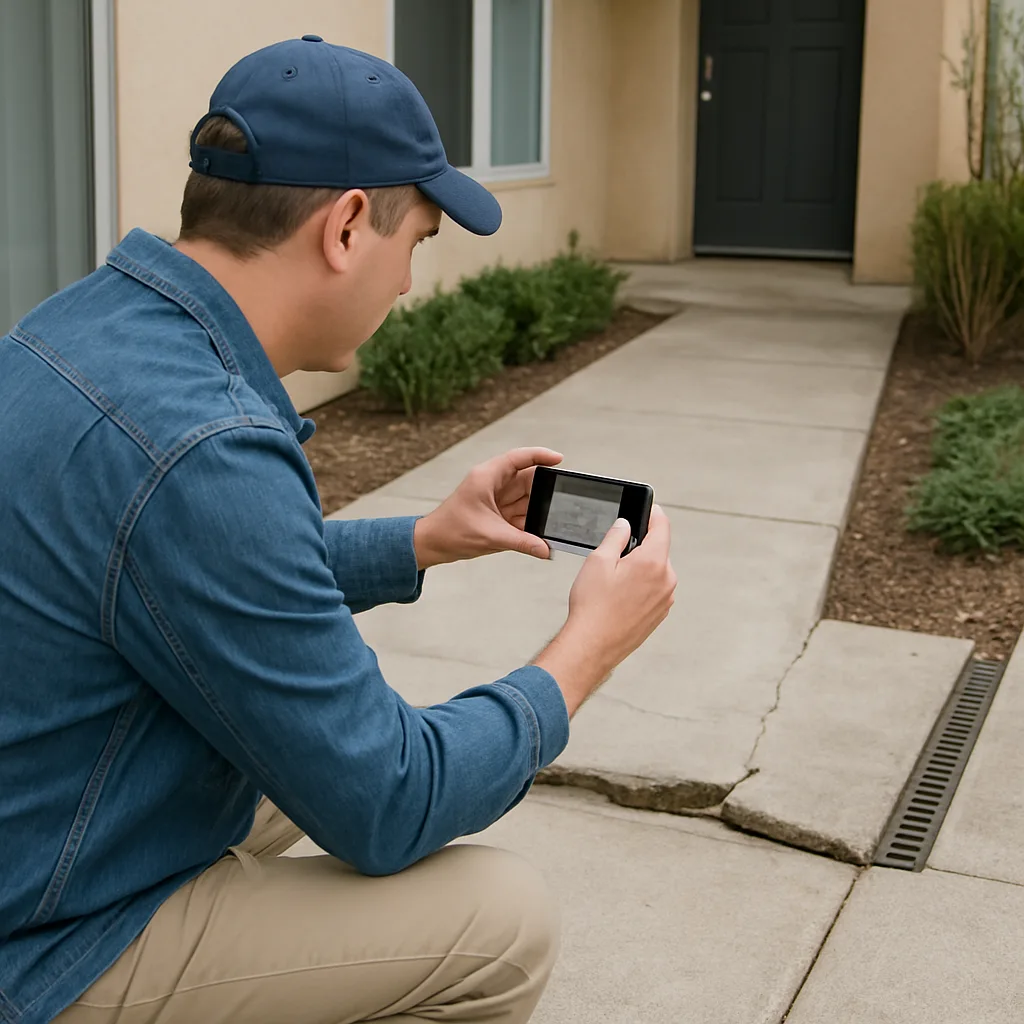
Prompt, careful documentation can help preserve details that may change after a repair, cleanup, weather event, or construction project. If your condition permits and it is safe to do so, consider creating a record of the exact location and appearance of the area.
- Wide photographs showing the walkway in relation to the building, entrance, parking area, stairs, or other landmarks.
- Close photographs of the crack, elevation change, loose paver, water, obstruction, missing handrail, or other condition.
- Several angles and distances, including photographs that show lighting and visibility.
- The date and approximate time of the incident, weather conditions, and whether the area was wet, icy, dark, or obstructed.
- The names or contact information of people who saw the incident or the condition, when available.
- A simple description of the route you were taking and what happened immediately before the injury.
Avoid altering the condition or entering an unsafe area to obtain a photograph. If the property is repaired, photographs from before the repair may be particularly important. A lawyer may also evaluate whether other evidence should be requested or preserved, such as surveillance footage, inspection records, complaint logs, incident reports, maintenance records, or electronic communications.
Reporting the condition
Report the incident and the hazardous condition through a channel that creates a reliable record, such as a property management portal, email address, written notice process, or office contact identified in your lease or community materials. Keep a copy of what you submit and record when and how it was sent. Be accurate and avoid guessing about the cause of the fall or making statements about legal fault.
Reporting does not replace medical attention or legal evaluation. It does, however, create an opportunity for the property representative to document the condition and may help establish when the management side became aware of it.
Identifying the Landlord, Manager, and Other Potentially Responsible Parties
One of the practical challenges in an apartment complex pedestrian accident is determining which entity handled the particular part of the property. The name on a rent payment portal may not be the same as the owner, management company, maintenance contractor, or insurer. A condominium may involve additional entities, including a homeowners’ or condominium association.
Residents may review documents already in their possession, including:
- The lease, addenda, move-in materials, and written maintenance instructions.
- Notices posted in common areas, provided they contain useful identifying information without relying on assumptions.
- Rent statements, maintenance confirmations, prior repair requests, and messages with management.
- Condominium or community correspondence identifying the association or managing agent.
- The names of employees or contractors who responded to prior complaints, if known.
A property owner may be responsible for some conditions while a contractor or manager may have separate responsibilities. That does not mean every named party is liable. The relevant documents, the nature of the hazard, the scope of each party’s control, and the available evidence all matter.
Medical documentation after the injury
Seek appropriate medical evaluation based on your circumstances. Medical records can document the reported mechanism of injury, symptoms, examinations, testing, treatment, restrictions, and follow-up. Tell the provider accurately what happened and identify the body areas affected, without minimizing symptoms or speculating about legal conclusions.
Keep appointment information, bills, discharge materials, prescriptions, work-status notes, and communications about follow-up care. These materials do not decide a claim by themselves, but they can help explain the connection between the incident and the care received. Because privacy and medical-record rules apply, an attorney can explain what information may be relevant to a legal evaluation.
Common Mistakes After a Walkway Injury Claim in New Jersey
People often focus on the fall but overlook evidence that can later become difficult to obtain. Common problems include:
- Waiting to photograph the area until after repairs or cleanup.
- Failing to record the exact entrance, pathway, building, or section of the complex.
- Reporting only the injury while leaving out the physical condition that preceded it.
- Assuming the landlord is the only potentially relevant entity.
- Posting detailed allegations or photographs on social media before understanding how they may be interpreted.
- Missing communications, medical records, or information about witnesses.
- Delaying legal review until a deadline is close.
New Jersey claims may involve different procedural rules depending on the defendant and the facts. A private landlord, condominium association, contractor, and public entity may not be treated identically. If a government-owned or government-controlled location is involved, additional notice and procedural requirements may apply. Deadlines can limit the ability to pursue a claim, so location-specific legal guidance can be important.
An attorney evaluating a New Jersey apartment walkway injury may ask for photographs, incident reports, leases, correspondence, medical records, witness information, and details about prior complaints. The goal is to understand the condition, the parties’ roles, the notice evidence, and the nature of the claimed injuries before discussing available options.
Frequently Asked Questions
Can I have a claim if the apartment walkway was repaired after I fell?
Possibly. A repair does not necessarily eliminate the importance of the earlier condition, but it can make contemporaneous photographs, witness information, maintenance messages, and incident reports more valuable. Keep copies of anything showing when and how the hazard was reported. The effect of a repair depends on the facts, including what caused the injury, who controlled the area, and what evidence remains.
What if I did not report the walkway problem before the accident?
A prior complaint is not the only kind of evidence that may matter. The condition’s apparent duration, inspections, work orders, photographs, witness observations, and the property’s maintenance practices may be relevant. However, the absence of an earlier report can affect the notice analysis. A New Jersey attorney can review the available facts without assuming that one missing piece determines the entire matter.
Does a lease make the landlord responsible for every walkway condition?
Not necessarily. Leases may address maintenance duties, but responsibility can also depend on the property’s layout, the common-area status of the walkway, applicable New Jersey law, and whether another entity controlled maintenance. A lease is one potentially important document, not a complete answer by itself. The language should be reviewed together with records about inspections, complaints, repairs, and management responsibilities.
What information should I bring to a consultation?
Bring photographs or videos, the incident date and location, witness information, copies of reports or messages, lease or condominium documents, medical records and bills available to you, and information about missed work or activity restrictions. Do not alter or discard potentially relevant materials. If you do not have everything, a consultation may still help identify what additional information could matter.
How Eric A. Shore Can Help
Eric A. Shore is dedicated to helping injured people understand premises liability and personal injury issues involving apartment and condominium properties. The firm can evaluate available evidence about the walkway, identify questions concerning ownership and maintenance control, review notice-related information, and consider how medical documentation may fit into the broader analysis.
Every situation is different, and no attorney can promise a particular result. The firm is committed to fighting for clients’ rights while providing clear information about potential legal options. Contact Eric A. Shore for a free consultation or case evaluation regarding your New Jersey apartment walkway injury.
The information in this article is for educational purposes only and does not constitute legal advice. Contact a qualified attorney licensed in New Jersey for advice specific to your situation.