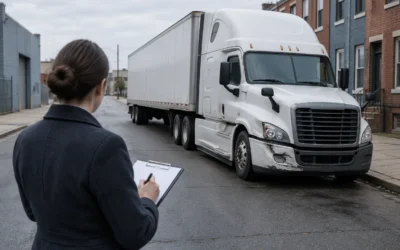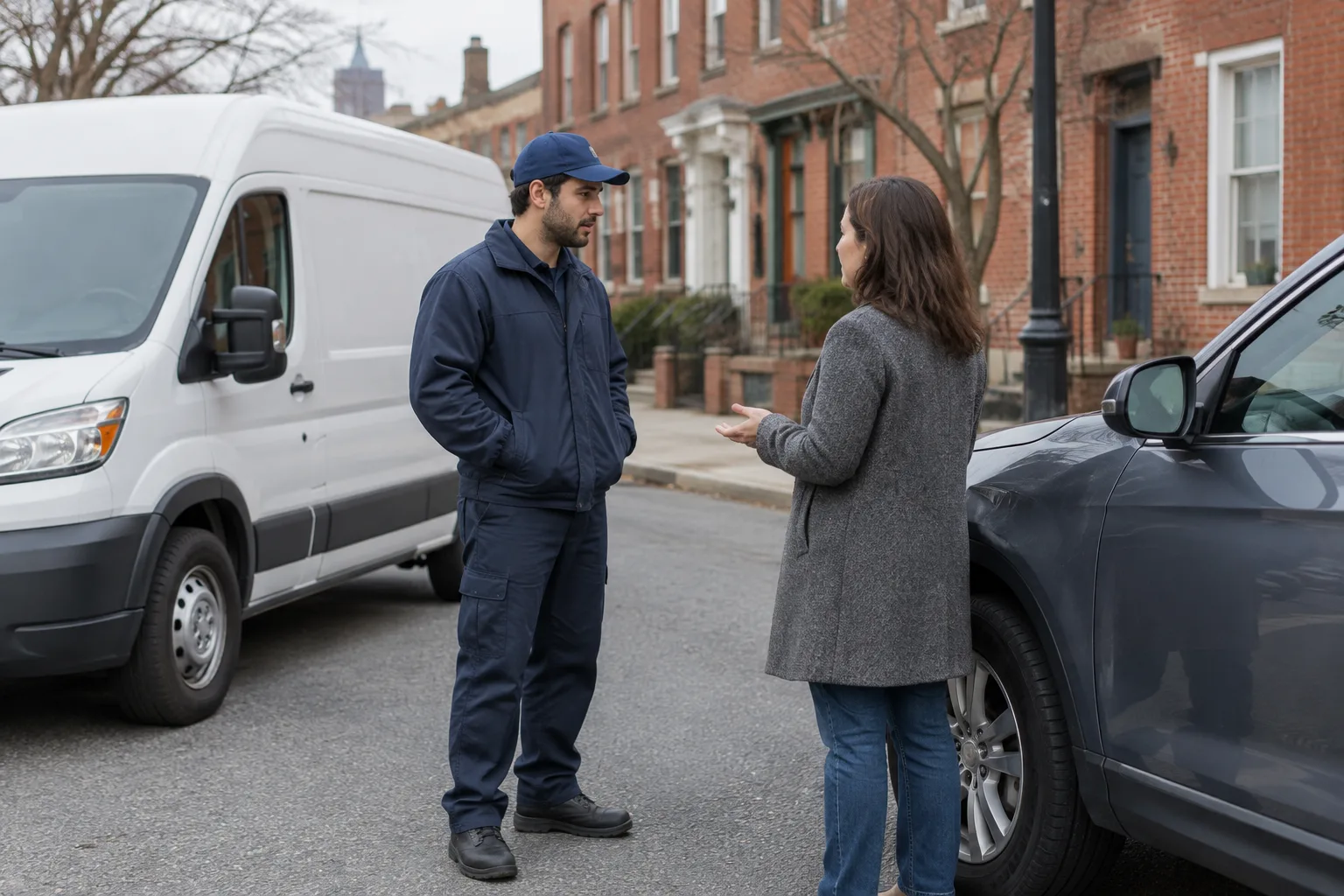
A delivery worker is driving between job sites when another vehicle hits them. Or a worker is hurt at a Philadelphia building when equipment maintained by an outside contractor malfunctions. In either situation, workers’ compensation may be one part of the picture—but it may not answer whether someone outside the employer contributed to the accident. A Pennsylvania workplace accident third-party injury claim is a separate possibility to evaluate when an outside person or business may be legally responsible.
Eric A. Shore helps workers understand the difference between workplace benefits and a potential personal injury claim. This article explains how those claims differ, who might be investigated after a crash or contractor-related hazard, and how benefits, evidence, and possible reimbursement issues can fit together. The facts, worker status, and applicable Pennsylvania law all matter, and a third-party claim is not available in every work injury.
How a Pennsylvania workplace accident third-party injury claim differs from workers’ compensation
Workers’ compensation and a third-party injury claim serve different purposes. Workers’ compensation is generally a no-fault system that may provide benefits for a covered work-related injury, subject to eligibility and other rules. A third-party claim, by contrast, may seek damages from a person or organization other than the employer if that party’s negligence or other legally actionable conduct caused or contributed to the injury.
The claims can arise from the same event, but they are not interchangeable. Workers’ compensation generally does not require the worker to prove that another person was at fault. A personal injury claim does require evidence supporting legal responsibility, and the worker may need to establish that the outside party owed a duty and that its conduct caused harm. The available damages and procedures can differ as well. For an overview of Pennsylvania workers’ compensation benefits after a workplace injury, it helps to consider the benefit claim separately from any possible civil claim.
Worker status can affect the benefit question
Whether someone qualifies for workers’ compensation may depend on their actual work relationship, not only the label in a contract or app. An employee and an independent contractor may have different access to benefits, and classification can be fact-specific. That question is distinct from whether an at-fault driver or another outside party may be liable. For example, workers’ compensation questions for Philadelphia gig workers injured by a vehicle may involve both worker classification and a separate investigation into the driver’s conduct.
In Philadelphia, a worker could therefore have more than one issue to assess: whether the injury is covered as work-related, and whether a non-employer caused or contributed to it. Those questions should not be collapsed into one claim.
Who might be responsible after a work-related crash or contractor hazard?
The identity of a potentially responsible third party depends on how the accident happened. Consider a worker driving for a job who is struck by a commercial truck. The other driver may be one potential source of responsibility, but the investigation might also examine whether a trucking company or another involved entity contributed to the collision. A Pennsylvania truck crash liability and the parties who may be responsible resource can help explain why the driver is not always the only party to consider.
A different example involves an outside contractor working on equipment or property where a Philadelphia employee performs their job. If an elevator or escalator problem injures a worker, relevant questions may include who inspected, repaired, maintained, managed, or controlled the equipment and premises. The fact that a contractor was present does not by itself establish fault. Evidence about the work agreement, maintenance history, safety practices, and the event itself may matter. Read more about how elevator injuries can involve maintenance companies and property owners.
Depending on the facts, an investigation might consider:
- A driver or vehicle owner whose conduct contributed to a work-related collision.
- A business responsible for a vehicle, equipment, or a worksite hazard.
- An outside contractor responsible for particular maintenance or repair work.
- A property owner or manager, if their role and the evidence support examining their conduct.
These are possibilities to investigate, not conclusions about liability. More than one party may be involved, and the employer’s workers’ compensation insurer is not the same as a potentially liable third party. A civil claim may be handled in a court with proper jurisdiction and venue, potentially including the Philadelphia County Court of Common Pleas; the appropriate forum depends on the case and applicable rules.
What to document and how benefits may interact with a third-party claim
A worker evaluating both types of claims may need to keep the facts and records organized. Useful information can include the date and location, names of witnesses, photographs of the scene or equipment, incident reports, vehicle details, and communications with involved businesses or insurers. In a crash, available vehicle or roadway evidence may also help clarify what occurred. Records showing missed work and income can be relevant when evaluating losses; this overview of documents that can prove lost wages in a Philadelphia accident claim discusses examples of income documentation.
Avoid assuming that one report or an early description settles who was responsible. Keep copies of records where available, and note what is known versus what still needs confirmation. An attorney may assess whether additional evidence could be requested or preserved, depending on the circumstances and applicable procedures.
The financial relationship between claims can also be more complex than receiving two separate payments. Workers’ compensation benefits, medical bills, and reimbursement or lien rights may affect how a third-party recovery is handled. The rules and calculations can depend on the specific benefits paid, the settlement terms, and the governing law. A gross settlement figure is not necessarily the amount a person ultimately keeps. This discussion of medical liens and reimbursement claims that may affect a Philadelphia injury settlement explains why those issues deserve review.
A worker should also be cautious about signing releases or resolving a claim without understanding what rights or obligations the document addresses. The workers’ compensation matter and the third-party matter may involve different insurers, deadlines, evidence, and settlement terms. How those pieces fit together is case-specific, so a qualified Pennsylvania attorney can explain the options based on the facts rather than assumptions.
Frequently Asked Questions
Can I pursue a third-party claim if I am already receiving workers’ compensation?
Possibly. Receiving workers’ compensation does not automatically answer whether a separate claim against a non-employer is available. A third-party claim generally requires evidence that an outside party may be legally responsible for the injury. Benefit payments and any recovery may also interact through reimbursement or lien rules, so the effect depends on the facts and applicable Pennsylvania law.
What if the person who caused my work-related crash is uninsured?
An uninsured at-fault driver can make a claim more complicated, but it does not by itself resolve what coverage or other options may exist. The available policies, the vehicles involved, and the circumstances of the collision matter. A lawyer can review the relevant insurance information and explain possible routes without assuming that a particular policy will apply.
Could I have a claim if an outside contractor caused a hazard at my workplace?
Possibly, but the contractor’s presence alone does not prove responsibility. The work it agreed to perform, its control over the hazard, what it knew, and whether its conduct contributed to the injury may be relevant. The property owner, employer, or another entity could also have a role, depending on the evidence and applicable law.
Does a third-party claim have the same deadlines as workers’ compensation?
Not necessarily. Different kinds of claims can have different notice requirements and filing deadlines, and particular facts may affect how a deadline applies. Pennsylvania law and procedural requirements can change. Because waiting may affect available options, a Pennsylvania attorney can review the circumstances and identify the time limits that may apply to a specific matter.
How Eric A. Shore Can Help
Eric A. Shore is dedicated to helping injured workers understand whether a workplace benefit claim and a possible third-party injury claim raise separate questions. The firm can review how the accident occurred, which people or businesses may have been involved, and what records may help clarify responsibility. If workers’ compensation benefits or reimbursement issues are part of the picture, those concerns can be considered alongside the potential injury claim. Each case depends on its own facts, and no particular result can be promised. If you were hurt while working in Philadelphia or elsewhere in Pennsylvania, contact Eric A. Shore to discuss your situation and request a free consultation or case evaluation.
The information in this article is for educational purposes only and does not constitute legal advice. Laws vary by location and may have changed since publication; contact a qualified attorney licensed to practice in Pennsylvania for advice specific to your situation.