
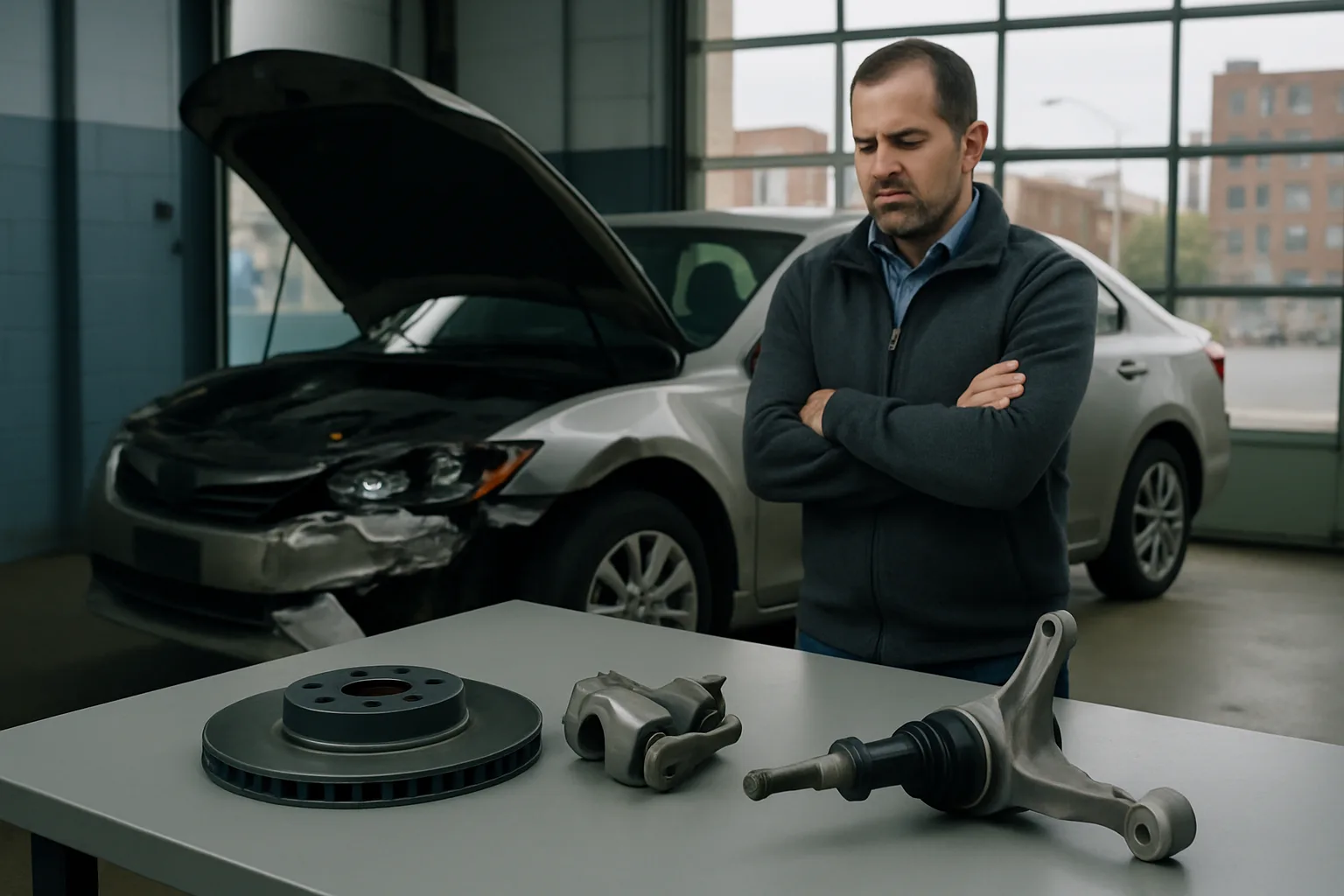
A crash can be confusing when the driver says the vehicle suddenly would not stop, turned unexpectedly, lost a tire, or failed to protect occupants. In some cases, the central question is not only what the driver did, but whether a defective vehicle part contributed to the collision. A person involved in a defective vehicle part accident in Philadelphia may need to preserve evidence before the car is repaired, sold, salvaged, or discarded. Philadelphia event data that may clarify a crash can also be relevant when investigating braking, speed, restraint use, and airbag deployment.
Eric A. Shore helps injured people understand the evidence that may shape a claim. This article explains what to preserve, how a component failure may affect liability, what other evidence can support an investigation, and when legal guidance may be useful.
What Evidence Should You Preserve After a Defective Vehicle Part Accident in Philadelphia?
A damaged vehicle can be more than transportation after a crash. It may be physical evidence showing what failed, how it failed, and whether the condition existed before impact. In Philadelphia, PA, preserving that evidence can be important if a later inspection is needed.
Preserve the vehicle and failed component
When reasonably possible, avoid authorizing repairs, dismantling, or disposal until the vehicle and potentially defective part have been documented. If repairs are necessary for safety or storage reasons, photographs and inspection information should be created before work begins. Ask the repair facility to retain removed parts, damaged assemblies, and related materials rather than discarding them.
Useful preservation steps may include:
- Photographing the vehicle from multiple angles, including damage beneath the exterior;
- Keeping the failed tire, brake component, steering part, restraint, light, or other suspected component;
- Saving tow, storage, repair, and inspection records;
- Recording the vehicle identification information and ownership history; and
- Keeping notes about warning lights, unusual sounds, smoke, loss of control, or other symptoms before impact.
Preserve maintenance, recall, and electronic information
Repair invoices, inspection reports, owner’s manuals, warranty materials, recall notices, and maintenance history may help establish what work was performed and when. Vehicle event data may also contain information about speed, braking, restraint use, or airbag deployment. Electronic information can be lost or changed when a vehicle is repaired, salvaged, sold, or accessed without a preservation plan, so a qualified lawyer or investigator may recommend prompt steps to protect it.
Who May Be Responsible for a Vehicle Defect Injury Claim in Philadelphia?
A component failure does not automatically establish legal responsibility. An investigation generally must examine whether a product was defectively designed, manufactured, or supplied; whether warnings were adequate; whether a repair or installation contributed to the problem; and whether the alleged defect caused the crash and resulting harm.
Depending on the facts, potentially relevant parties may include:
- The vehicle manufacturer;
- A manufacturer of a replacement component;
- A distributor or seller;
- A repair shop or service provider; or
- Another entity involved in inspection, installation, or maintenance.
Pennsylvania product-liability principles can differ from ordinary negligence theories, and the applicable analysis may depend on the product, transaction, evidence, and claimed injury. Readers can review an overview of Philadelphia strict-liability principles for defective products for additional background. Laws and procedures may vary by location and may change over time.
A lawyer may work with qualified mechanical, automotive, or accident-reconstruction professionals to inspect the component and consider alternative explanations. For example, a failed brake may reflect a manufacturing issue, worn maintenance item, improper installation, impact damage, or another condition. The physical evidence and records should guide the analysis rather than assumptions made immediately after the crash.
Evidence beyond the damaged vehicle
Photographs of the scene, roadway, vehicle positions, warning indicators, and visible fluid or debris may help preserve conditions that later change. Medical records and treatment documentation may connect the crash to reported injuries, while repair and service records may show the vehicle’s condition before the collision.
Witnesses may have noticed warning lights, smoke, unusual movement, a tire problem, or attempts to control the vehicle. Preserving witness accounts after a Philadelphia crash can be useful, but witnesses should not be coached or pressured to adopt a particular version of events.
What Mistakes Can Harm a Philadelphia Vehicle-Defect Investigation?
Evidence can disappear quickly after a crash. A vehicle may be moved to a repair facility, released by an insurer, sold for salvage, or repaired before anyone documents the suspected failure. Even honest memories can become less precise as time passes.
Common problems include:
- Allowing disposal of the suspected part. A tire, brake assembly, steering component, or restraint may be discarded during ordinary repairs unless someone requests that it be retained.
- Relying only on photographs. Pictures are valuable, but they may not replace an inspection, chain-of-custody records, electronic data, or the opportunity to examine the complete vehicle.
- Failing to preserve invoices and communications. Messages with a repair shop, tow company, insurer, or vehicle seller may contain information about the vehicle’s condition and handling.
- Making technical conclusions too early. A visible break does not by itself prove why a part failed or who may be legally responsible.
- Waiting until litigation is imminent. Preservation requests and inspections may need to occur before a formal lawsuit. Depending on the circumstances, an attorney may send notices to entities that possess relevant evidence.
Philadelphia cases may proceed through the Court of Common Pleas of Philadelphia County or another appropriate forum depending on the parties, claims, and jurisdictional facts. A person evaluating legal help may benefit from comparing Philadelphia car accident lawyers for a complex defect claim and asking about vehicle inspections, expert witnesses, preservation letters, product-liability claims, and fee arrangements.
When should you contact a lawyer?
A suspected vehicle defect can involve several parties and technical questions. How a Philadelphia car accident attorney can protect evidence may include helping identify relevant records, communicating with insurers or repair facilities, arranging qualified inspections, and evaluating possible claims. Early legal review does not guarantee a result, but it may help prevent avoidable evidence problems.
Frequently Asked Questions
Can a tire failure support a vehicle defect injury claim in Philadelphia?
It may, depending on the tire’s condition, manufacturing history, maintenance, inflation, installation, road conditions, and the evidence connecting the failure to the crash. A tire failure alone does not establish liability. Preserving the tire, wheel, photographs, purchase information, service records, and inspection evidence may allow qualified professionals to evaluate possible causes. Pennsylvania law may apply differently depending on the parties and theory of liability.
What if my car was already repaired after the Philadelphia crash?
A repair does not necessarily eliminate every possible claim, but it may make the investigation more difficult. Existing photographs, invoices, removed parts, diagnostic information, electronic data, witness accounts, and repair-facility records may still be relevant. Depending on the circumstances, an attorney may investigate what was changed, who performed the work, and whether any components or data were retained.
Can a vehicle recall prove that a manufacturer caused my crash?
A recall may provide an investigative lead, but it does not automatically prove that the recalled condition caused a particular collision or injury. The vehicle’s model, production information, repair history, recall status, failure symptoms, and crash evidence may all matter. A qualified professional may need to compare the reported defect with the condition of the specific vehicle involved.
Does insurance pay for an inspection of a suspected defective part?
Coverage for an inspection can depend on the policy, the insurer’s procedures, the vehicle’s status, and the reason for the inspection. An insurer’s inspection may not answer every product-liability question. Before authorizing work or releasing a component, a person may wish to understand what evidence will be preserved and who will have access to it. Legal and insurance guidance is fact-specific.
How Eric A. Shore Can Help
Eric A. Shore is dedicated to helping injured people investigate crashes involving possible vehicle-component failures. The firm can evaluate whether the available records, photographs, vehicle condition, repair history, and witness information raise questions about a defective part or another contributing cause. Depending on the circumstances, legal counsel may help preserve the vehicle and failed component, send evidence-preservation requests, identify potentially responsible parties, and coordinate qualified experts.
If you or a family member was injured in a Philadelphia crash and a vehicle part may have failed, contact Eric A. Shore for a free consultation or case evaluation. The firm is committed to fighting for your rights while helping you understand your available legal options.
The information in this article is for educational purposes only and does not constitute legal advice. Contact a qualified attorney licensed in Philadelphia, PA for advice specific to your situation.



