An assault injury at an apartment complex, parking area, or business can leave a person with urgent questions about what happened and whether anyone besides the assailant may bear responsibility. New Jersey negligent security evidence can help clarify the setting, available security measures, and the response after an incident—but no single record automatically proves a property owner was at fault. For practical context on preserving New Jersey surveillance footage before routine overwrite, timing and identifying potential cameras can matter.
Eric A. Shore can help injured people understand what information may be relevant to a potential premises-liability claim. This article explains how video, staffing records, prior complaints, site conditions, and incident reports may fit into an evaluation; why property control and disputed accounts matter; and what questions the evidence may leave unanswered. The focus is on identifying useful information, not assuming that an assault alone makes a property owner legally responsible.
How New Jersey negligent security evidence can clarify what happened
Evidence may help establish where and when an incident occurred, what security measures were in place, and how staff responded. The value of a record depends on its reliability and connection to the events. A camera may show an entrance or the aftermath without capturing the assault itself; staffing records may show who was assigned to a post but not what that person observed.
Video, site conditions, and security measures
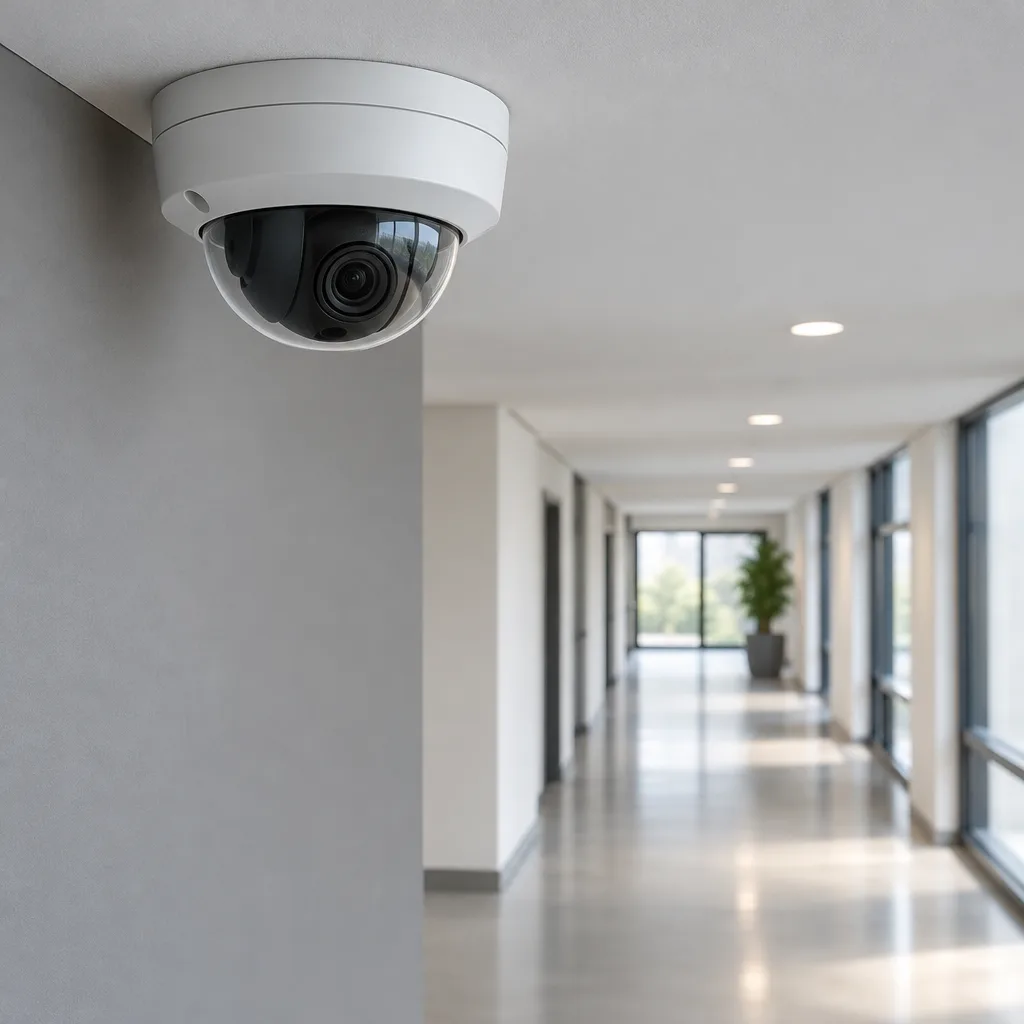
Potential sources include surveillance footage, access-control data, lighting conditions, and the layout of entrances, hallways, or parking areas. A person’s account of the location can help identify relevant camera views or sightlines. Records or photographs may also help document whether lights were working or whether features of the site limited visibility. For example, evidence of poor lighting at a New Jersey property may provide context, but darkness alone does not establish negligent security.
Businesses may use routine practices for storing or overwriting footage, and practices vary. Noting where cameras appeared to be located and when the incident happened may help an attorney assess whether footage could exist and how to seek its preservation through appropriate channels. It may also be useful to distinguish footage of the incident from footage showing the events before or after it.
Complaints and incident records
Prior complaints, security logs, maintenance records, and incident reports may provide context about what was known, when it was known, or how an earlier concern was addressed. A record’s existence does not by itself prove that a particular risk was foreseeable or that a different measure would have prevented the injury. How notice evidence can matter in a New Jersey premises-liability claim offers related background, though a notice analysis involving a property condition does not automatically determine responsibility for an assault.
Who controlled the property, and what can staffing records show?
The identity of the property owner is not always the whole story. A landlord, business tenant, property manager, security contractor, or public entity may each have different responsibilities or control over parts of a location. The relevant question depends on the site and agreements in place. Control can also affect who holds video, schedules, training materials, maintenance records, or incident reports.
Staffing documents may help establish who was scheduled, what role a worker was assigned, and whether a security post was staffed at a particular time. Training materials or written procedures may describe the intended response to reported concerns. These documents need context: a schedule does not establish what an employee actually saw, and a written policy alone does not show whether it was followed.
If an assault occurred on government-owned or government-controlled property, different procedural rules may apply than in a claim involving private property. The location and responsible entity can affect where records are kept and what requirements apply. Readers considering an incident on public property can review evidence and notice issues on New Jersey public property. Rules can vary with the circumstances and may change, so an attorney can assess which procedures are relevant.
It may also be useful to compare records with witness accounts, emergency response information, and the sequence of events. These sources can help identify inconsistencies or gaps without resolving them automatically. A careful review asks what each record can reliably establish—and what it cannot.
Why the full circumstances and competing accounts matter
A property owner is not automatically responsible because an assault occurred on the premises. An evaluation may consider the nature and location of the incident, what risks were reasonably apparent, what measures were in place, who controlled the area, and whether the evidence connects an alleged security shortcoming to the injury. The assailant’s conduct is important context, but it does not by itself establish or rule out another party’s responsibility.
Accounts may differ about timing, warnings, staffing, or what happened immediately before the injury. Relevant information can include:
- The precise location and approximate time of the incident.
- Names or descriptions of potential witnesses, if known.
- Whether someone reported a concern before the incident and to whom.
- Any incident number or report, and the identities of responding agencies or staff.
- Visible camera locations, access points, lighting, or other site features.
These details can help identify records for review, but readers should not assume that every item will be available or admissible. In New Jersey, comparative-fault principles may be relevant when responsibility is disputed, depending on the facts and applicable law. New Jersey’s comparative-fault rule when accounts differ provides additional context; it does not mean fault is divided in the same way in every assault-related claim.
Frequently Asked Questions
Does a police report prove that a property owner was negligent?
No. A police report may document information gathered by responding officers, statements, or other observations, but it does not automatically decide whether a property owner or another party had a legal duty or failed to meet it. A civil claim may require review of additional evidence, including property records, witness accounts, and security practices. The report’s significance depends on its contents and the surrounding circumstances.
Can a business refuse to give me its security-camera footage?
A business may not provide footage directly upon an informal request, and access can depend on the circumstances, privacy concerns, and applicable legal procedures. The footage may also be held by a property manager or security vendor rather than the business itself. An attorney can explain possible ways to seek relevant material and assess whether footage exists. Rules and options depend on the facts and jurisdiction.
What if I do not know which company managed security?
That uncertainty does not necessarily prevent an investigation. The property owner, manager, tenant, or another entity may have information about security contracts or staffing arrangements. Records and witness accounts may help identify who performed a particular role. In New Jersey, responsibility depends on the parties’ relationship to the location and the circumstances, so the identity of a security company alone does not establish liability.
Can an incident report contain errors or omissions?
Yes. An incident report may be based on information available to the person who prepared it and may not include every witness, detail, or later-discovered fact. That does not automatically make the report unreliable, but it may be compared with other records and accounts. A review can consider who prepared it, when it was written, what sources it relied on, and whether other evidence supports or differs from it.
How Eric A. Shore Can Help
Eric A. Shore’s team is dedicated to helping injured people evaluate the evidence and legal questions that may arise after an assault injury. A review may consider the location, potential witnesses, available video, staffing and incident records, property control, and the circumstances surrounding the event. The firm is committed to fighting for clients’ rights while recognizing that each matter depends on its own facts and applicable law. If you were injured in New Jersey and want to understand your options, contact the firm to request a free consultation or case evaluation.
The information in this article is for educational purposes only and does not constitute legal advice. Contact a qualified attorney authorized to practice in the jurisdiction that applies to your matter for advice specific to your situation.