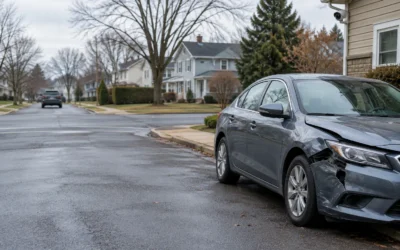
A driver may expect their auto policy to address accident-related treatment, then receive a notice questioning a procedure, therapy visit, diagnostic test, or other care. A New Jersey PIP medical necessity dispute can arise when an insurer questions whether particular treatment was appropriate or needed in light of the accident and the available records. The issue is not always whether an injury exists; it may be whether the specific care is supported by the medical information submitted. New Jersey PIP coverage can apply to eligible medical expenses under the applicable policy, so an insurer may review treatment even when another driver caused the crash. For background on why your own insurance may pay New Jersey accident medical bills, it helps to separate the PIP payment question from a dispute over a particular service. Eric A. Shore can help injured people understand what records and reasoning may matter. This article covers the review, useful documentation, and questions to consider if payment is reduced or denied.
When New Jersey PIP evidence becomes a medical-necessity dispute
PIP, or personal injury protection, is a form of auto insurance coverage that may pay eligible medical expenses under the terms of a policy. A medical-necessity dispute can emerge when the insurer questions whether a requested or completed service is supported by the patient’s documented condition, treatment history, and clinical rationale. The disagreement may concern one service or a course of care, rather than the entire claim.
A review may focus on whether the records explain the connection between the accident and the treatment, what symptoms or limitations were reported, and why the provider selected a particular service. The insurer may also consider timing, prior care, referrals, and whether the submitted documentation answers the questions raised during review. These details can matter in New Jersey, where PIP policies and applicable review procedures govern how treatment is considered.
What records may help explain the care?
The most useful record is not necessarily the longest one. Clear, consistent documentation can show the clinical reasoning behind treatment and how the care relates to the reported symptoms. Depending on the issue, relevant records may include:
- Visit notes describing symptoms, examination findings, and the care plan.
- Referrals, diagnostic reports, and treatment requests with their clinical rationale.
- Records showing changes in symptoms, response to care, or a revised plan.
- Bills and explanations of benefits that identify the service and the insurer’s action.
A gap or an incomplete record does not automatically establish that care was unnecessary. It may, however, leave a reviewer without context that could explain the provider’s decision.

How peer review, records review, and examinations differ
An insurer may ask a medical professional to review submitted records and provide an opinion about treatment. A peer review generally refers to a review of documentation; it does not necessarily involve an in-person examination. Depending on the policy and circumstances, an insurer may also request an examination. Those are different processes, and neither one, by itself, resolves every question about the treatment or the claim.
Readers can find more background on how an independent medical exam may arise in a New Jersey injury claim. Understanding which kind of review occurred can help clarify what information the insurer considered and what response process may apply. A notice, request, or policy may identify the type of review, the service at issue, and any next steps or deadlines. If those details are unclear, asking for clarification can help identify the actual point of disagreement.
When reviewing a denial or reduction, consider asking:
- Which treatment, date, or service is being questioned?
- Is the insurer disputing medical necessity, accident-relatedness, documentation, or another coverage issue?
- What records or clinical rationale did the reviewer consider, and what information was missing?
- What review, appeal, or dispute process and time limits apply under the policy and New Jersey procedures?
New Jersey PIP disagreements may have dispute-resolution or arbitration options under applicable procedures. The available route can depend on the parties, the policy, and the issue. A qualified attorney can help evaluate what procedure applies; a general article cannot determine that for an individual claim.
Keep a clear treatment chronology and ask focused questions
A well-organized timeline can help make the medical record easier to understand. Keep copies of insurer notices, bills, explanations of benefits, treatment requests, and correspondence. Note appointment dates, referrals, changes in symptoms, and any reason for a delay or break in care. Avoid changing or embellishing medical records; if something is missing or unclear, ask the provider about the appropriate way to address it.
Timing can be part of the context, but a delay does not automatically answer whether care was necessary. A brief note about when symptoms appeared, when care began, and why there was a gap may help explain the sequence. More discussion of what delayed symptoms can mean for a New Jersey accident injury claim can help readers understand why a clear chronology may matter.
Common sources of confusion include treating a payment reduction as a finding that no injury occurred, assuming a peer review included an examination, or responding without identifying the specific service in dispute. Instead, compare the notice with the treatment records and identify the service, reason given, and any response instructions. Keep communications factual and retain copies. If a provider, insurer, or notice uses unfamiliar terms, ask what they mean and which records or procedures are relevant. New Jersey requirements and policy terms can change, so the current documents and advice specific to the circumstances matter.
Frequently Asked Questions
Does a PIP medical-necessity denial mean the insurer says there was no injury?
Not necessarily. A dispute may concern whether a particular service or amount of treatment was supported, rather than whether an accident-related injury occurred. The notice may identify the precise service and the reason for the decision. Reviewing that language alongside the medical records can help distinguish a medical-necessity question from a dispute about accident-relatedness, coverage, or missing documentation.
Can an insurer review my New Jersey PIP medical records without examining me?
A records review can take place without an in-person examination. A separate examination may be requested in some circumstances, subject to the applicable policy and procedures. The notice or request may explain what process is being used. If it is unclear whether the insurer reviewed records, requested an examination, or both, asking for that distinction can help you understand what information is being considered.
What should I ask if a treatment payment is reduced?
Ask which service, date, or charge was reduced and what reason the insurer gives. You can also ask what records were reviewed, whether information was considered incomplete, and what response or dispute process applies. Keep the notice and related communications. The answer may depend on the policy, the facts, and New Jersey procedures, so an attorney can assess how those rules apply to a particular situation.
Is arbitration available for every New Jersey PIP medical-necessity dispute?
Not necessarily. New Jersey PIP disputes may have arbitration or other dispute-resolution procedures, but the applicable process can depend on the parties, policy terms, and issue being challenged. A notice or policy may describe relevant steps and deadlines. An attorney licensed in New Jersey can review those materials and explain which options may be available in the specific circumstances.
How Eric A. Shore Can Help
Eric A. Shore is dedicated to helping injured people make sense of the records and insurance reasoning involved in a New Jersey PIP treatment dispute. The team can review the explanation provided for a denial or reduction, help identify the records relevant to the question, and discuss possible next steps based on the policy and applicable procedures. Every situation is different, and no particular outcome can be promised. If an insurer has questioned accident-related treatment, contact Eric A. Shore to request a free consultation or case evaluation and discuss your circumstances.
The information in this article is for educational purposes only and does not constitute legal advice. Contact a qualified attorney licensed in New Jersey for advice specific to your situation.