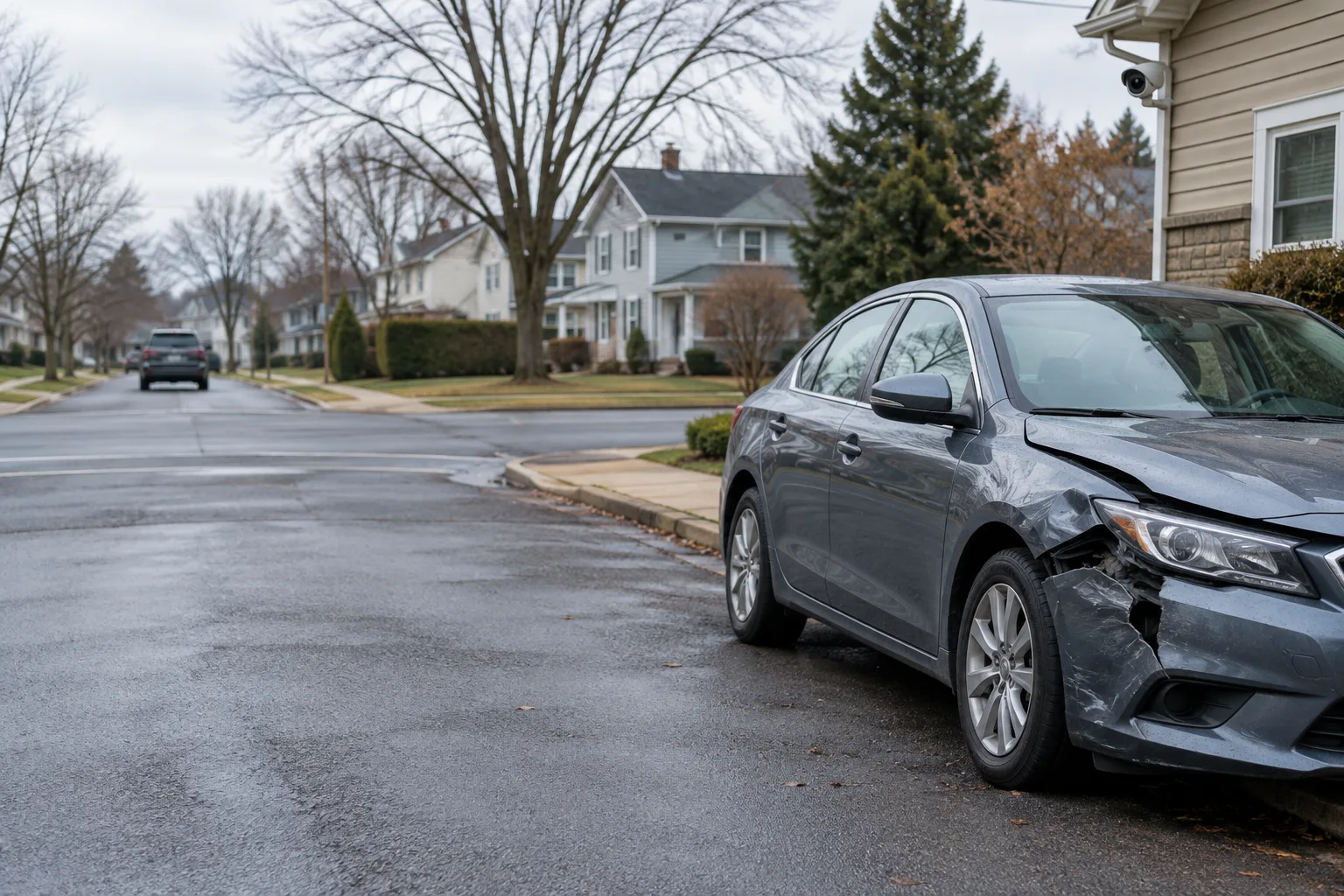
A driver leaving after a collision can leave an injured person with urgent questions: What happened, who was involved, and how can an insurance claim move forward? New Jersey hit-and-run accident evidence may help answer those questions, even when the driver’s name or license plate is unknown. The details a person can record in the first hours—such as the time, location, vehicle description, and names of witnesses—may help investigators or insurers assess what occurred.
Eric A. Shore helps people understand the legal and insurance questions that can follow an accident. This guide explains what to document, how to look for witnesses and camera footage, why reporting and insurance requirements matter, and when legal guidance may help. Evidence can disappear or become harder to locate, so preserving accurate information is important. Still, a detail that seems useful is not proof on its own; the full circumstances and applicable policy terms matter.
What New Jersey Hit-and-Run Evidence Should You Document?
Start with a clear record of the event. As soon as it is practical, write down the date and approximate time, the precise location, the direction each vehicle was traveling, and what happened before and after impact. Note nearby intersections, businesses, parking areas, or other landmarks. If you are unsure about a detail, label it as uncertain rather than filling in gaps from memory.
Describe the other vehicle using observable facts: color, body style, approximate size, make or model if known, and any distinctive features or damage. A partial plate, even a few characters, may be useful when combined with the vehicle description and location. Record the direction the vehicle went and the driver’s appearance only if you actually saw them. Do not guess or present an assumption as a fact.
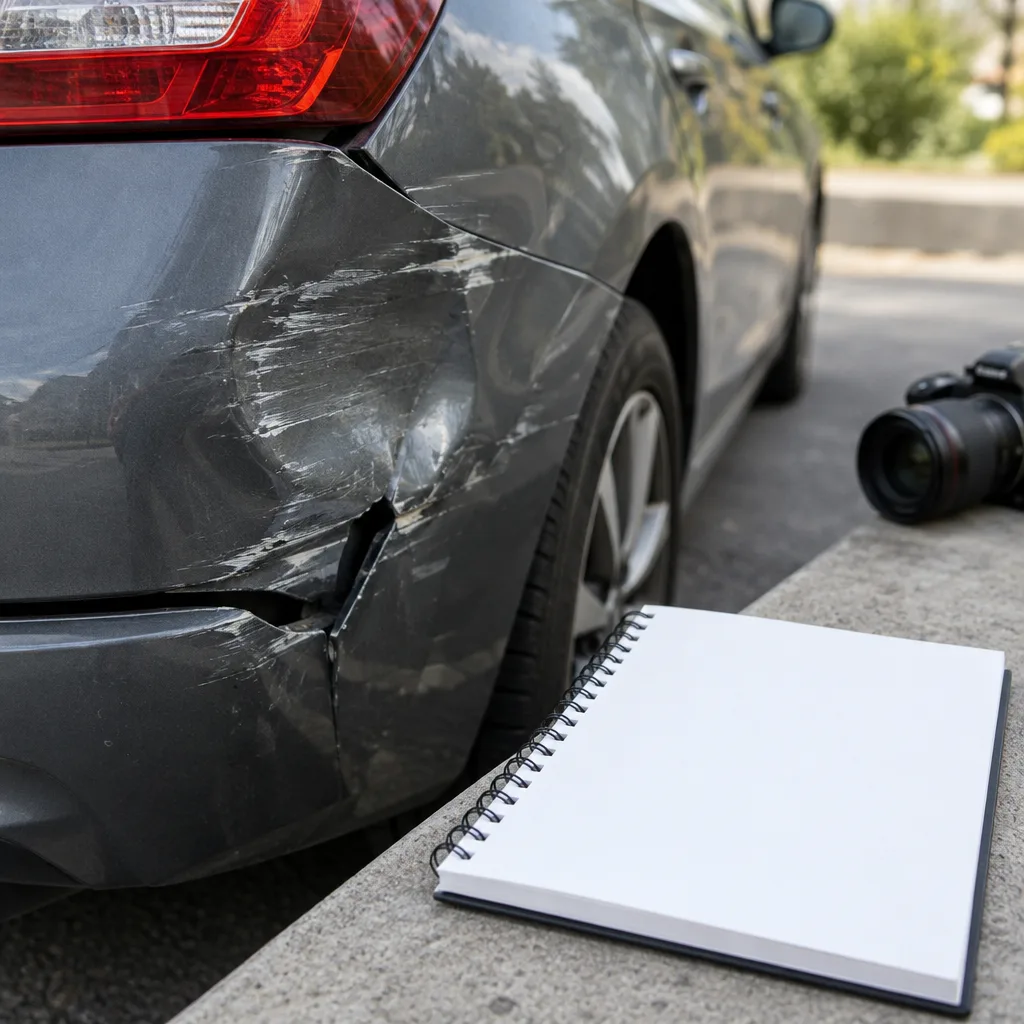
Photographs can document vehicle damage, debris, the roadway, skid marks, and the broader scene. Preserve original files when possible, since image details and timestamps may be useful. Also save relevant phone location or trip data, dashcam footage, and other electronic records. This overview of digital evidence from a New Jersey car accident explains additional records that may help establish a timeline or route.
Find witnesses and nearby cameras
Record witnesses’ names and reliable contact details, along with what each person says they observed. Ask open questions and avoid suggesting what they should say. If someone left before you could speak with them, nearby residents or businesses may know whether a person stopped to help. These ways to identify witnesses after a New Jersey crash may help you think through where to ask.
Look for cameras facing the roadway at homes, storefronts, parking lots, or other nearby properties. Ask the owner promptly whether footage from the relevant time can be preserved; recording systems may overwrite older material. For more on preserving New Jersey accident surveillance video, see the related guide. Don’t trespass or try to access a private system without permission.
How Do Reporting and Insurance Affect a New Jersey Hit-and-Run Claim?
Evidence and reporting often work together. Contacting law enforcement can create an official record of the collision and the information available at the time. In New Jersey, the appropriate police department may depend on where the crash occurred—for example, a local department for a municipal road or a state agency for certain highways. If there is an immediate safety concern or someone needs urgent help, emergency services may be appropriate. Procedures can vary by location and circumstance.
When speaking with officers, share what you know and distinguish firsthand observations from estimates or information someone else provided. Keep any report or incident number and note how to follow up. A police report can help document the event, but it may not identify the driver or resolve who was responsible.
Notify your insurer and review your policy’s notice and cooperation provisions. If the driver remains unidentified, uninsured-motorist coverage may be relevant, but eligibility and proof requirements depend on the policy and the circumstances. Some policies or rules may impose particular conditions for hit-and-run claims, so do not assume coverage applies—or that it does not—without checking. This discussion of a New Jersey claim involving an unidentified driver explains why policy language and reporting steps matter.
Keep communications accurate and organized. Separate confirmed facts from estimates when responding to questions from a New Jersey accident insurer. If you are asked for a recorded statement, the context and policy terms may matter; consider getting advice about your circumstances before deciding how to respond.
What Evidence Mistakes Can Make a Hit-and-Run Harder to Investigate?
Small inconsistencies can complicate an investigation, especially when memories fade or recordings are overwritten. A few practical habits may help preserve a reliable record:
- Write down observations soon, and mark anything you are unsure about as an estimate.
- Keep original photographs and video files; avoid editing or adding details to them.
- Save the names of witnesses, the time you contacted a camera owner, and any response.
- Keep copies of police and insurance communications, receipts, and claim references.
- Avoid posting speculation about the driver or collision online, where it may be mistaken for a confirmed account.
Do not try to confront or track down a suspected driver yourself. Provide information to law enforcement or your insurer through appropriate channels. If you later discover a possible vehicle match or new recording, note how and when you found it and share the source rather than altering the material.
Evidence may need to be gathered from more than one place. A lawyer may be able to assess what records remain available, help make preservation requests, review the insurance policy, and explain possible next steps. The relevant process can depend on the municipality, the road where the crash happened, and the coverage involved. For a broader overview of next steps after a New Jersey car accident, consider how legal guidance may fit into evidence preservation and claim communications.
Frequently Asked Questions
Can a partial license plate help identify a hit-and-run driver in New Jersey?
It may help, especially when paired with a vehicle description, travel direction, time, location, or camera footage. A partial plate alone may not identify a vehicle conclusively, and a remembered character can be mistaken. Write down exactly what you recall, including which details are uncertain, and share the information with law enforcement or your insurer for appropriate follow-up.
How soon should I ask a business to preserve hit-and-run video?
As soon as reasonably possible. Businesses and property owners may use systems that record over older footage, and retention practices differ. Identify the location and an approximate time window, then ask the owner to preserve relevant footage. Do not assume the camera captured the event; it may face another direction or have limited visibility. Keep a note of whom you contacted and when.
Can I make an insurance claim if the driver is never found?
Possibly, depending on your policy, the facts, and applicable New Jersey requirements. Uninsured-motorist coverage may be relevant in some unidentified-driver situations, but policy conditions and proof requirements can differ. Prompt notice and accurate documentation may matter. Review your policy and discuss the circumstances with your insurer or a licensed attorney rather than assuming a particular type of coverage is available.
What if I do not know whether a detail is accurate?
Do not turn an uncertain recollection into a definite statement. Record what you remember, label estimates clearly, and explain the source of any information that came from another person. Preserving original notes and files can help show how your account developed. If you are uncertain how to respond to an insurer or investigator, a lawyer can discuss the situation and applicable requirements with you.
How Eric A. Shore Can Help
A hit-and-run can leave you managing physical, practical, and insurance concerns while key evidence is still being collected. Eric A. Shore is dedicated to helping injured people understand their options and is committed to fighting for their rights. The firm can review the information you have gathered, discuss potential insurance issues, and evaluate whether further investigation or evidence-preservation steps may be appropriate. Every matter depends on its own facts and policy terms. Contact Eric A. Shore to request a free consultation or case evaluation and discuss your situation.
The information in this article is for educational purposes only and does not constitute legal advice. Contact a qualified attorney licensed in New Jersey for advice specific to your situation.