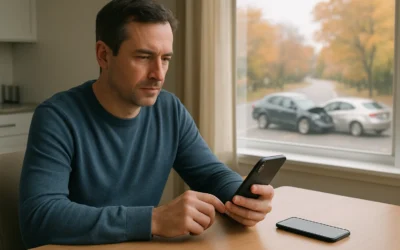
A crash can become confusing within minutes. One person may stop briefly, offer a description, and leave for work, while another witness may disappear into a nearby store, train station, parking garage, or rideshare vehicle. If you are trying to find witnesses after an accident in New Jersey, the most useful clues may be small details recorded before the scene changes.
Safety and medical needs come first. After that, an early investigation can help preserve witness descriptions, vehicle information, business video, dashcam footage, emergency-call records, and police-report details. A New Jersey car accident lawyer who can help preserve witness evidence may also be able to identify formal preservation steps when a witness, camera, or business record could matter.
Eric A. Shore can help injured people understand how a witness investigation may fit into a broader claim. This article explains where witnesses may be found, what information to record, how New Jersey accident reports and commercial-property evidence can help, and what to avoid while investigating.
Where Can New Jersey Accident Lawyers Find Witnesses After a Crash?
Witnesses are not limited to people who remain beside the vehicles. They may be drivers who passed the collision, pedestrians waiting at a bus stop, customers entering a business, employees working near a loading area, or passengers in another vehicle. A lawyer may examine the entire setting rather than relying only on the names written down at the scene.
Record descriptions without pursuing anyone
From a safe location, write down a witness’s approximate location, clothing, distinguishing belongings, direction of travel, and whether the person was walking, driving, biking, or using public transit. Do not follow a departing witness or attempt to stop a moving vehicle. If someone volunteers contact information, record it accurately and avoid coaching that person about what to say.
Vehicle details can be especially useful. Note the make, model, color, body style, visible damage, travel direction, and any plate information that can be safely observed. For a commercial vehicle, record the carrier name, unit number, trailer number, or distinctive markings. These details may help counsel or law enforcement locate a witness later.
Check places where people naturally gather
In New Jersey, potential witnesses may be connected to gas stations, restaurants, apartment entrances, shopping centers, parking facilities, transit stops, and highway service areas. Ask a property manager or employee whether the location has cameras or whether staff saw the collision. Do not demand access to footage; simply identify the business, address, approximate time, and person who may control the recording.
How Can Video, Rideshare Activity, and Reports Identify Witnesses?
A witness may be identified indirectly through records rather than a name. A nearby camera could show a person leaving, a vehicle stopping, or a rideshare pickup occurring shortly after the crash. A dashcam may capture both the collision and the movement of people or vehicles around it. New Jersey car accident digital evidence such as dashcam and phone data can sometimes help establish a timeline or point investigators toward a person who has not yet been located.
Important leads may include:
- Exact or approximate crash time, including changes caused by delayed reporting;
- Camera locations at stores, homes, toll facilities, garages, intersections, or transit properties;
- Dashcam footage from passing drivers or vehicles stopped nearby;
- Emergency calls, dispatch information, and messages sent immediately after the crash;
- Rideshare pickup or drop-off activity near the collision; and
- Photos showing the road layout, vehicle positions, weather, lighting, and sightlines.
For a rideshare vehicle, record the visible logo, make, color, plate if safely observable, direction of travel, pickup location, and approximate time. A person who was waiting for a ride or sitting in a rideshare vehicle may have seen the event. Guidance about New Jersey Lyft accident investigation and claim guidance may be relevant when app records, driver information, or passenger activity could help identify a witness.
Businesses and property owners may routinely overwrite video. A lawyer may send a preservation request or use formal legal procedures when appropriate. The availability of footage depends on the owner, system, retention practices, and circumstances, so preservation is not guaranteed.
What Should You Check After a Witness Leaves the Scene?
A police report may contain information that is not obvious during the first few minutes after a collision. Responding officers may document witness names, statements, vehicle descriptions, plate information, 911 references, surveillance leads, or the direction in which a person or vehicle departed. The report may not include every detail, and it may reflect only information available at the time.
Victims can ask for the incident number and preserve their own notes, photographs, medical records, and communications. They may also want to compare their recollection with the report without altering original evidence. This guide explains how to obtain and read a New Jersey accident report, including details that may help identify a witness or clarify which agency responded.
The investigation can be more involved when the crash occurred on a highway, involved a bus or commercial truck, or happened near a controlled-access property. Record the safe-to-observe details before leaving, but never stand in traffic or approach a truck driver, company employee, or unknown witness in a confrontational way. Understanding why trucking companies investigate New Jersey crash scenes within hours can also explain why prompt evidence preservation may matter when a commercial vehicle is involved.
If no witness or responsible driver can be located, distinguish between those issues. A witness who left may still be found through video, records, or another person’s account. An unidentified driver raises separate reporting and insurance questions. Depending on the policy and facts, uninsured or underinsured motorist coverage may become relevant; New Jersey uninsured and unidentified-driver crash claim options can provide general background. A licensed New Jersey attorney can evaluate how the available evidence and policy language interact.
Common mistakes include guessing a plate number, posting accusations online, deleting original photographs, waiting too long to identify cameras, or contacting a potential witness repeatedly. Preserve what you have, label photographs with the date and source, and provide original materials to counsel or law enforcement.
Frequently Asked Questions
Can I ask a witness who left to contact me later?
Yes, if the person voluntarily provides contact information, you can politely record it and ask what they observed. Avoid suggesting an answer, pressuring the person, or repeatedly contacting them. If the witness left without sharing information, do not chase or confront the person. Give law enforcement and a lawyer the witness’s description, location, direction of travel, and any vehicle details so they can consider appropriate investigative methods.
What if a business refuses to show me its security video?
Many businesses limit access to recordings because of privacy, security, or internal policies. A refusal does not necessarily mean the video is unavailable or irrelevant. Record the business name, address, approximate time, camera location, and the employee or manager you spoke with. Depending on the circumstances, an attorney may request preservation or pursue formal procedures available in New Jersey.
Can another driver’s dashcam help if that driver is unknown?
It may. A passing vehicle’s dashcam could capture the crash, the vehicles involved, or people leaving the area. Note the vehicle’s direction, approximate time, make, color, and any safely observable plate information. Police, nearby businesses, social contacts, or counsel may help identify the vehicle. Do not attempt to follow it or obtain footage through unsafe roadside conduct.
Does a witness have to testify for the information to matter?
Not necessarily. A witness may provide information during an investigation, insurance review, discovery, or other parts of a claim. Whether the information can be used, how reliable it is, and whether testimony is required depend on the facts and legal process. A New Jersey attorney can explain how a particular witness account may fit into the available evidence.
How Eric A. Shore Can Help
Eric A. Shore is dedicated to helping injured people evaluate evidence after New Jersey crashes. The firm can review available witness descriptions, photographs, police-report references, business locations, rideshare leads, and potential video sources. When appropriate, counsel may help organize preservation requests and assess how unidentified-witness information fits with insurance and injury issues.
The team is committed to fighting for clients’ rights while recognizing that every investigation depends on its facts and available records. If a witness left the scene or important evidence may disappear, contact Eric A. Shore for a free consultation or case evaluation.
The information in this article is for educational purposes only and does not constitute legal advice. Contact a qualified attorney licensed in New Jersey for advice specific to your situation.