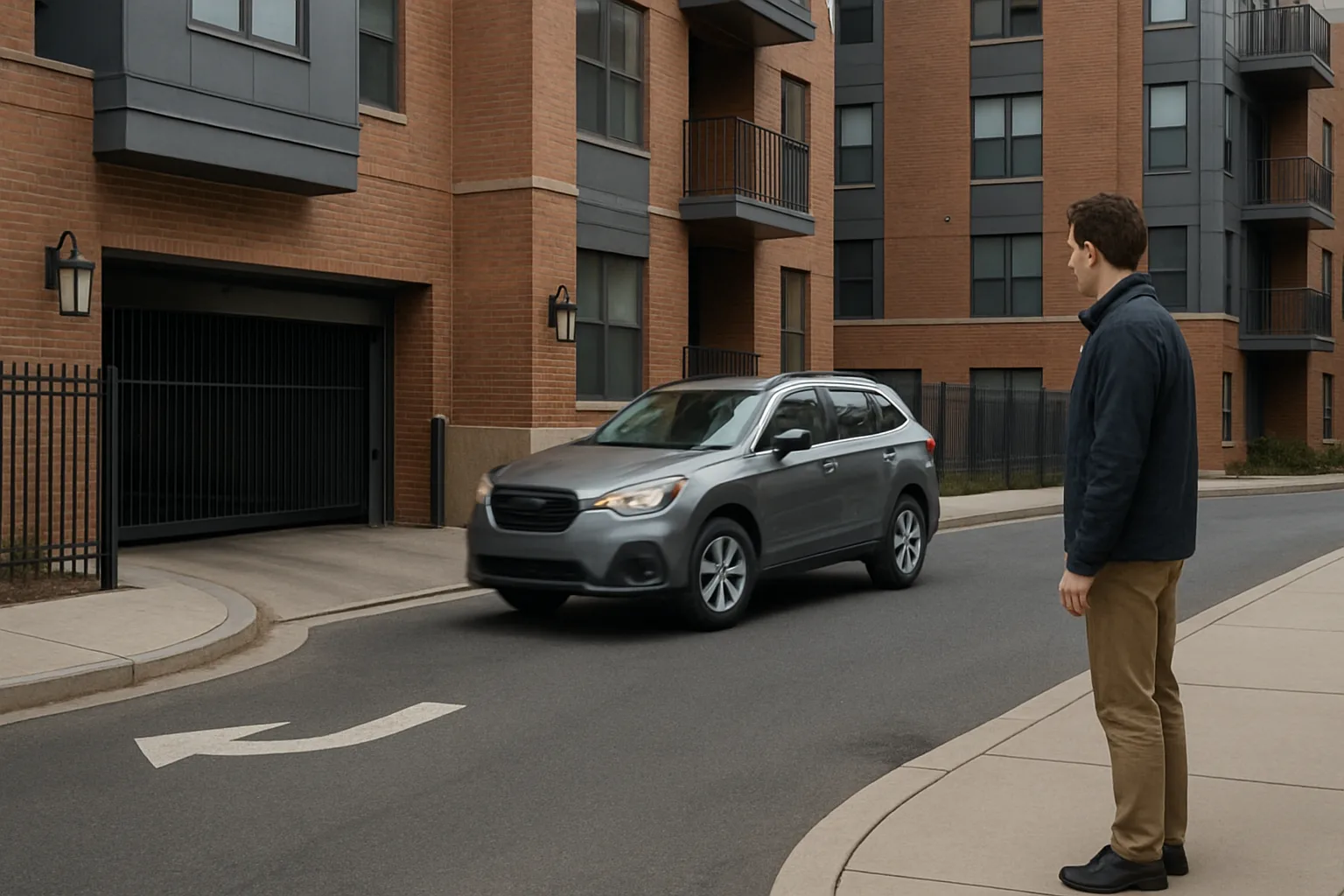
Apartment driveways and garage exits can feel like ordinary walking routes, but they are also places where vehicles turn, reverse, and cross pedestrian paths. After a collision, an injured person may wonder whether the driver is the only possible source of responsibility. In some situations, the apartment owner, property manager, condominium association, or maintenance contractor may also be relevant if the property’s design, lighting, signs, gates, or maintenance affected safety.
A Philadelphia apartment complex pedestrian accident lawyer can help organize these overlapping issues without assuming that any particular party is liable. Eric A. Shore provides a knowledgeable perspective for residents, guests, delivery workers, and other pedestrians trying to understand what happened. This article explains the duties that may apply in Philadelphia, what evidence to document, and how to distinguish a driver-related claim from a property-related premises liability issue.
When Does a Philadelphia Apartment Complex Owe Duties to Pedestrians?
Pennsylvania premises liability generally focuses on the relationship between the property possessor and the person entering the property, along with whether a dangerous condition was known or reasonably discoverable. A private apartment driveway is not automatically exempt from these principles simply because it is not a public street. The relevant duties may depend on who controlled the area, why the pedestrian was there, and whether a hazardous condition contributed to the collision.
Resident, guest, and visitor status
A resident may have rights connected to a lease and the complex’s common areas. A guest, delivery person, prospective renter, or service worker may have a different legal classification based on the circumstances of the visit. That status can affect the analysis, but it is not the only question. The practical issue is often whether the property operator took reasonable steps to address foreseeable vehicle and pedestrian conflicts in areas it controlled.
Conditions that may matter
Depending on the facts, an investigation may examine:
- Whether a driveway forced pedestrians into the path of turning vehicles;
- Whether walkways, crossings, curbs, or pickup areas were clearly defined;
- Whether lighting made people or obstacles difficult to see;
- Whether gates, mirrors, bollards, barriers, or signs were missing or poorly placed; and
- Whether management received complaints about near misses, blocked routes, visibility, or unsafe traffic flow.
These facts do not establish liability by themselves. They help identify which people or entities had control and whether a condition may have contributed to the event.
What Should You Document After an Apartment Driveway Pedestrian Injury in Philadelphia?
Evidence at a private residential property can change quickly. Vehicles move, lighting conditions vary, gates are repaired, signs are replaced, and surveillance systems may overwrite recordings. If a person is physically able to do so, photographs and notes made soon after the incident may help preserve the setting as it appeared.
Useful information may include:
- Your status at the property. Save the lease, guest invitation, delivery assignment, maintenance appointment, parking authorization, or other records showing why you were present. Do not assume that being a visitor eliminates potential protections or creates them automatically.
- The roadway layout. Photograph the driveway, internal road, garage exit, resident pickup area, curb, sidewalk, and sight lines from a pedestrian’s position and a driver’s position. Note whether vehicles were entering, exiting, reversing, or turning.
- Signs, lighting, and gates. Record traffic signs, pavement markings, speed-control features, access gates, lighting fixtures, and any obstructed or dark areas. Take general views as well as close images of relevant conditions.
- Maintenance complaints. Keep emails, resident-portal messages, work orders, and other communications about lighting, pavement, landscaping, blocked walkways, gate malfunctions, or traffic concerns.
- Security footage and witnesses. Identify cameras near the collision and the names or contact information of people who saw the event. Ask that relevant footage and incident records be preserved, without assuming the property will retain them indefinitely.
In Philadelphia, photographs should show enough surrounding detail to explain how the private roadway functioned, not just the point of impact. Medical records and bills may also document the injury, but they should be handled carefully and consistently with guidance from medical professionals and counsel.
Is the Collision a Driver Claim, an Apartment Premises Liability Claim, or Both?
A pedestrian collision on private property can involve separate theories of responsibility. The driver’s conduct may be central if the vehicle was speeding, failed to yield, turned without a proper lookout, or was distracted. A property-related issue may also matter if the complex created or failed to address a foreseeable hazard, such as a blind garage exit or an unmarked pedestrian route.
The two issues should not be treated as interchangeable. A driver may be responsible for conduct even when the property was reasonably designed. Conversely, a poor layout or missing warning may be relevant even if the driver also made an error. Depending on the evidence, other potentially relevant parties could include a property owner, management company, condominium association, security contractor, paving contractor, or lighting maintenance provider. Identifying a party does not mean that party is legally liable.
Common mistakes can make the factual analysis harder:
- Assuming a private driveway has no traffic or safety rules;
- Failing to photograph the approach to a garage or gate;
- Waiting to report a lighting, signage, or visibility problem until after conditions change;
- Posting detailed conclusions about fault on social media; or
- Signing a release or giving a recorded statement before understanding the claim.
Pennsylvania claims may also involve questions about shared fault, insurance coverage, notice, control of the area, and filing deadlines. The governing rules can depend on the facts and may change, so a licensed Pennsylvania attorney can assess the circumstances rather than relying on a general assumption.
Frequently Asked Questions
Can a resident be responsible if a guest is hit in an apartment driveway?
A resident is not automatically responsible simply because the guest was visiting. The analysis may instead focus on the driver, the property owner or manager, and any condition that contributed to the collision. A resident’s communications with management, knowledge of recurring hazards, or conduct immediately before the event could be relevant in unusual circumstances. Responsibility depends on the evidence and the applicable Pennsylvania law.
Does a parking lot collision count as a pedestrian accident?
It may. A person struck while walking through a condominium parking lot, apartment pickup lane, garage entrance, or private access road may have a pedestrian injury claim. The fact that the area is privately owned does not answer who is responsible. Investigators may examine vehicle movement, traffic controls, lighting, pedestrian access, property control, and the reason the person was on the premises.
What if an apartment complex says its security cameras did not record the collision?
A missing recording does not by itself prove fault or establish that footage was intentionally withheld. Cameras may not cover the relevant angle, may have limited retention periods, or may have technical problems. Promptly identifying camera locations and requesting preservation of potentially relevant material can be important. An attorney may also evaluate photographs, witness accounts, incident reports, access records, and physical conditions as alternative evidence.
Can a delivery worker pursue a claim after being hit on private residential property?
A delivery worker’s legal options may depend on the worker’s employment arrangement, the delivery assignment, insurance coverage, and the facts of the collision. Workers’ compensation, third-party negligence, and premises liability issues can sometimes overlap, but they are not identical. The worker’s status, route, authorization to enter, and communications with the property should be documented for a case-specific evaluation.
How Eric A. Shore Can Help
Eric A. Shore is dedicated to helping injured pedestrians understand the evidence and legal issues that may arise after a collision at an apartment or condominium property. The firm can evaluate the relationship between driver conduct and conditions such as roadway layout, lighting, gates, signs, maintenance history, and surveillance footage. That review may also consider lease or visitor status, property control, insurance issues, and potential shared responsibility.
A careful investigation does not promise a particular result. It is intended to clarify available options and preserve relevant information. If you or a family member was injured in Philadelphia, contact Eric A. Shore for a free consultation or case evaluation.
The information in this article is for educational purposes only and does not constitute legal advice. Contact a qualified attorney licensed in Philadelphia, PA for advice specific to your situation.