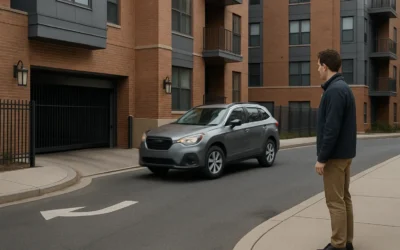
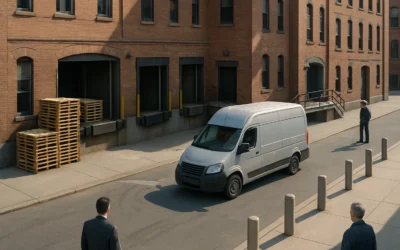
A rideshare pickup can look orderly from a phone screen while being confusing and hazardous at the curb. A pedestrian may be walking between a hotel entrance and a designated loading lane when a vehicle stops outside the expected area, another car blocks the sidewalk, or several passengers and drivers converge at once. If you are searching for a Philadelphia rideshare pickup pedestrian accident lawyer, the central question is often not simply who struck the pedestrian, but whether the pickup area created an unsafe route and whether a driver failed to use reasonable care.
In Philadelphia, responsibility may involve more than one person or entity. A rideshare driver’s decisions, a property owner’s traffic layout, a hotel or restaurant’s pickup practices, and the condition of a sidewalk or curb may all require separate examination. Eric A. Shore approaches these cases by helping injured people understand how those issues fit together.
This article explains how to separate driver conduct from unsafe pickup-area design, what evidence may matter, and why preserving information from the app, location, business, witnesses, and scene can be important. Pennsylvania law and the facts of each incident control, so a lawyer’s evaluation may be useful when the responsible parties are unclear.
Does a Philadelphia Rideshare Pickup Area Provide a Safe Pedestrian Route?
A property owner or occupier generally has duties that depend on the visitor’s status and the circumstances of the property. In broad terms, people invited onto commercial property may reasonably expect hazards to be addressed, warned about, or reasonably managed when the owner knows or should know about them. That does not mean every injury proves premises liability. The condition, notice, foreseeability, control, and cause of the incident may all matter under Pennsylvania law.
A designated rideshare area can be more than a painted curb or informal stopping point. It may include the route from a lobby or sidewalk to a loading lane, the separation between waiting passengers and moving vehicles, and the way signs, barriers, attendants, or pavement markings direct traffic. In Philadelphia, a crowded curb outside a hotel, restaurant, apartment building, entertainment venue, or shopping area may create risks even when the surface itself is level.
Conditions that may deserve examination
A review may consider whether the area involved:
- A blocked, narrow, or diverted sidewalk;
- Vehicles stopping where pedestrians were expected to cross;
- Poor separation between a waiting zone and moving traffic;
- Inadequate lighting or visibility;
- A curb, ramp, barrier, or surface defect that forced people into traffic; or
- A pickup design that encouraged drivers and pedestrians to occupy the same space.
The key issue is often how the area functioned in practice, not merely what its original design intended.
How Is Driver Conduct Separated From Pickup-Area Design?
A pedestrian hit in a rideshare pickup area may have a claim involving the driver, the property, or both, depending on the facts. A driver may have failed to keep a proper lookout, stopped in an unsafe location, moved while passengers were crossing, or followed app directions without adapting to visible conditions. Those questions concern operation of the vehicle and the driver’s response to the surroundings.
A premises-liability analysis looks at a different set of questions. Who controlled the pickup lane or sidewalk? Was the business aware that vehicles routinely stopped in a hazardous place? Were pedestrians directed across an active lane? Did the property owner have a practical way to use cones, staff, barriers, lighting, or a different traffic pattern? These issues can overlap, but they should not be treated as interchangeable.
Pennsylvania claims may also involve questions about the conduct of the injured person and other parties. Comparative-fault principles can affect how responsibility is evaluated, but the effect depends on the evidence and the applicable law. Insurance coverage and the driver’s status may also require separate review. An Uber pickup pedestrian injury in Philadelphia, for example, may raise different factual questions depending on whether the driver was waiting for a request, traveling to a passenger, or actively carrying a passenger.
Evidence that can clarify the competing explanations
Depending on the circumstances, potentially useful information may include:
- The rideshare trip screen, pickup pin, messages, route prompts, and timestamps.
- Photographs or video showing the curb, sidewalk, lighting, traffic flow, barriers, and sightlines.
- Security footage from a hotel, restaurant, apartment building, parking facility, or nearby business.
- Names and contact information for pedestrians, employees, attendants, drivers, and other witnesses.
- Incident reports, maintenance records, traffic plans, prior complaints, or communications about the pickup area.
- Medical records and wage information documenting the effects of the injury, handled with appropriate privacy protections.
Philadelphia’s streets and private properties often change quickly after an incident. A business may move cones, repaint markings, alter its pickup instructions, or repair a curb. Preserving the earlier condition can help an attorney assess whether the scene supports a vehicle-conduct theory, a premises theory, or both.
What Should Injured Pedestrians Preserve After a Curbside Pickup Accident?
When someone is injured in a curbside pickup pedestrian accident, early documentation can be valuable because memories, digital records, and video may not remain available indefinitely. A person should generally prioritize medical attention and personal safety. Once reasonably able, preserving information without altering or speculating about it may help a later review.
- App information: Save the pickup location, map view, driver messages, cancellation notices, trip details, and any instructions directing the vehicle to a particular curb. Screenshots should include available dates and times, but do not edit the underlying material.
- Location details: Record the business entrance, curb, crosswalk, sidewalk, loading lane, nearby vehicles, lighting, barriers, and the path pedestrians were expected to use. Photographs from several angles may show what a driver or pedestrian could see.
- Business information: Note the property owner or operator, employees who managed the lane, attendants, signs, cones, and any statements about where rideshares were supposed to stop. A written request to preserve surveillance may be considered with legal guidance.
- Witness information: Collect names and contact details when possible. Avoid pressuring witnesses to adopt a particular version of events; independent observations are more useful than rehearsed accounts.
- Scene and injury records: Keep photographs, clothing, transportation receipts, medical paperwork, and communications related to the incident. Do not post detailed conclusions about fault on social media.
An attorney may also examine whether notice can be shown through prior complaints, recurring congestion, incident logs, or routine business practices. A Lyft pedestrian accident premises-liability analysis may therefore involve records held by a rideshare platform, driver, property operator, security contractor, or nearby business.
In Philadelphia, a potential claim may proceed through insurance discussions or litigation in the Philadelphia Court of Common Pleas, depending on the parties, damages, and procedural circumstances. Deadlines can apply, and different rules may affect claims against private parties or public entities. Because these rules vary by location and may change, prompt advice from a Pennsylvania-licensed attorney can help identify issues without assuming that every claim follows the same path.
Frequently Asked Questions
Is a rideshare company automatically responsible when its driver hits a pedestrian?
No. Responsibility is not automatic. The analysis may depend on what the driver was doing, whether the driver was logged into the app or carrying a passenger, the applicable insurance coverage, and the facts of the collision. The conduct of a property owner or other driver may also matter. A Philadelphia attorney can review available trip records and scene evidence to help identify the potentially responsible parties.
Can a hotel or restaurant be liable for an unsafe rideshare pickup lane?
Possibly, depending on control of the area, knowledge of the hazard, foreseeability, and whether reasonable precautions were available. A business is not automatically liable merely because an incident occurred on or near its property. The condition of the sidewalk, the traffic pattern, warnings, barriers, and prior notice may all be relevant under Pennsylvania premises-liability principles.
What if the pickup pin directed the driver to a dangerous location?
The pickup pin may be relevant evidence, but it does not by itself decide fault. An app-generated location, driver’s messages, and route instructions may help show what the parties understood. A driver generally still must respond reasonably to visible pedestrians, traffic, and hazards. The property’s layout and management may also require separate review.
Can a pedestrian recover if another person also contributed to the accident?
Potentially. Pennsylvania generally recognizes comparative responsibility, meaning the conduct of multiple parties may be considered. The effect on a claim depends on the evidence, the degree of responsibility assigned, the nature of the parties, and other legal issues. Because an injured pedestrian’s own conduct may also be examined, a fact-specific consultation is important before drawing conclusions.
How Eric A. Shore Can Help
Eric A. Shore is dedicated to helping injured pedestrians understand the difference between a driver-conduct claim and a premises-liability claim. The firm may evaluate the pickup route, app records, property control, surveillance possibilities, witness accounts, vehicle movements, and available insurance information. That review can help organize the facts and identify questions that deserve further investigation.
The firm is committed to fighting for the rights of people injured in Philadelphia pedestrian accidents while explaining the legal process in clear language. If you were hurt near a rideshare pickup zone, hotel, restaurant, or curbside loading area, contact Eric A. Shore for a free consultation or case evaluation. The firm is ready to evaluate your situation and discuss your legal options.
The information in this article is for educational purposes only and does not constitute legal advice. Contact a qualified attorney licensed in Philadelphia, PA for advice specific to your situation.