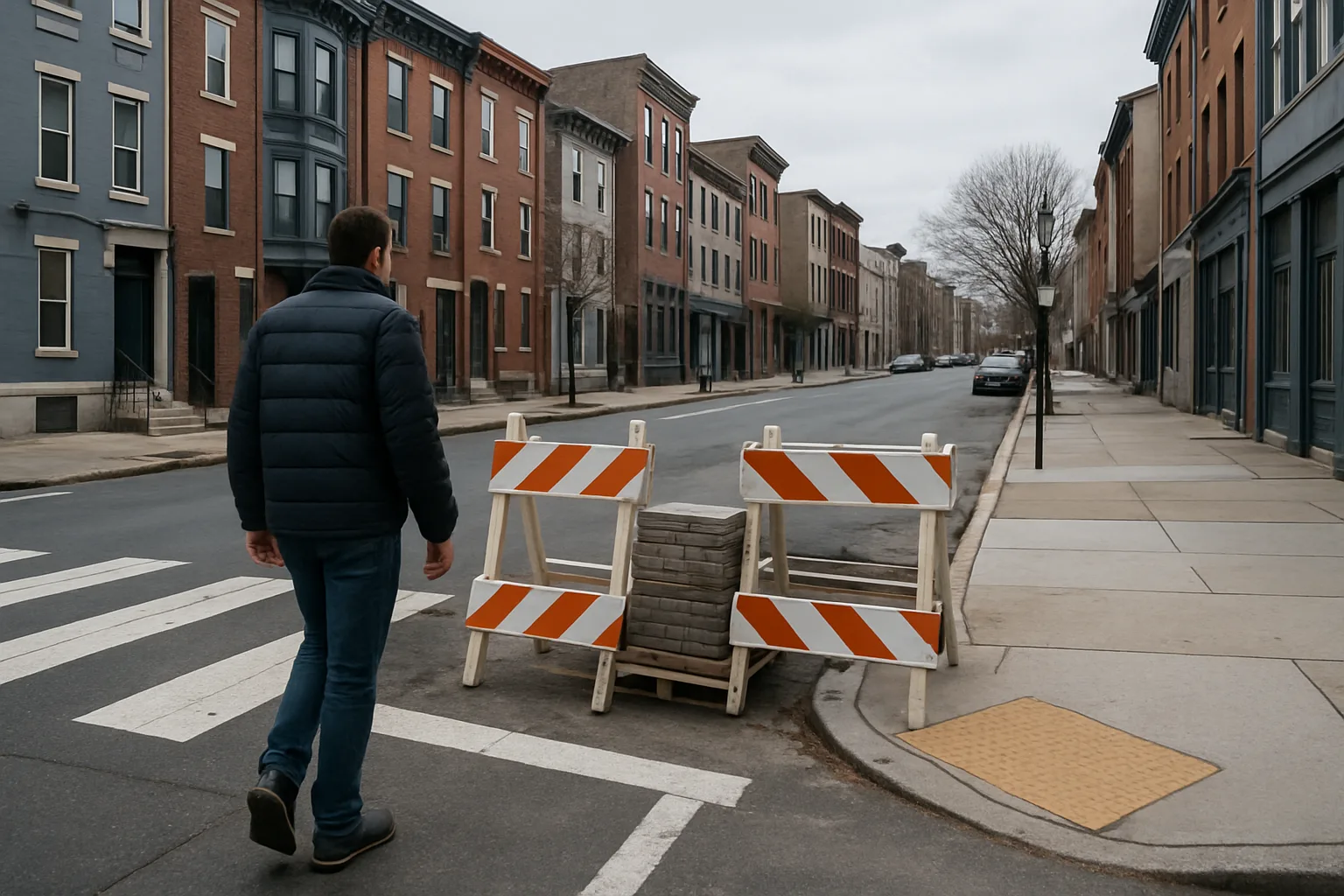
A curb ramp is intended to provide a safer transition between a sidewalk and a street crossing. When construction materials, a parked vehicle, snow, delivery activity, or business equipment blocks that route, a pedestrian may have to step into traffic, cross uneven ground, or use a dangerous detour. If an injury follows, the central question is often not simply whether the ramp was blocked, but who controlled the obstruction and whether the danger could have been prevented.
For someone searching for a Philadelphia blocked curb ramp injury lawyer, this distinction matters. A property owner, contractor, business, vehicle operator, or government entity may have different duties depending on the location and circumstances. Eric A. Shore helps injured people understand the evidence and legal issues that may affect a premises liability or pedestrian injury claim.
This article explains what to photograph and record after an obstruction-related injury, how responsibility may be evaluated in Philadelphia, and which mistakes can make the facts harder to prove. The information is general because each claim depends on its own evidence, injuries, and responsible parties.
When Can a Blocked Curb Ramp Support a Philadelphia Pedestrian Injury Claim?
A blocked ramp does not automatically establish legal liability. Generally speaking, a claim may depend on whether the obstruction created an unreasonable danger, whether the responsible person or entity knew or should have known about it, and whether the pedestrian’s injuries were sufficiently connected to the unsafe condition.
The person or organization responsible may include a construction company, delivery operator, property owner, store, landlord, vehicle owner, or public entity. Control is important. For example, the owner of a building may not have placed construction barriers in the street, while a contractor may not control the entire sidewalk. The facts must be examined rather than assumed.
Common obstruction scenarios
A curb ramp or nearby crossing may become difficult or impossible to use because of:
- Building materials, fencing, dumpsters, or temporary construction equipment
- A vehicle parked across the ramp or in a marked pedestrian path
- Snow, ice, or piled debris narrowing the accessible route
- Delivery carts, pallets, merchandise, or business equipment
- Utility work or sidewalk repairs that leave an abrupt or uneven detour
The danger may be greater where the alternative route directs a person toward moving vehicles, an unprotected roadway edge, standing water, broken pavement, or a steep drop. A Philadelphia accessible crossing injury can involve a fall, collision with a vehicle, or another event caused by the forced detour.
Why the exact location matters
In Philadelphia, the legal analysis can differ depending on whether the condition was on private property, a public sidewalk, a curb area, or a roadway work zone. City agencies, contractors, adjacent businesses, and property owners may each have different roles. An attorney evaluating a claim may need to identify who maintained, occupied, controlled, or modified the specific area.
What Evidence Should You Preserve After a Curb Ramp Obstruction Injury?
Obstructions are often temporary. A vehicle may leave, a delivery may end, snow may melt, or construction materials may be moved before an investigation occurs. Photographs and records can therefore be important to showing what the route looked like when the incident happened.
If it is safe and physically possible, useful documentation may include:
- The curb ramp and obstruction. Take wide photographs showing the entire intersection, then closer images showing how the object blocked or narrowed the ramp. Include the slope, detectable warning surface, curb edge, sidewalk condition, and any barriers.
- The proposed detour. Photograph the route a pedestrian was expected to use instead. Show whether it led into a travel lane, around parked cars, over uneven pavement, through snow, or near moving traffic.
- Traffic exposure. Capture the relationship between the ramp, crosswalk, roadway, bike lane, loading area, and vehicles. Images from a safe position can help show sightlines and the amount of space available.
- Accessibility impact. Record whether the obstruction prevented a direct crossing or required a person to use a surface that was steep, broken, slippery, or otherwise difficult to navigate. Avoid photographing people in a way that identifies or embarrasses them without permission.
- Nearby businesses and contractors. Note business names, storefront addresses, construction signs viewed from a distance, equipment markings, vehicle descriptions, and the names of workers or companies if voluntarily provided. Do not trespass or confront anyone to obtain information.
- Witness information. Ask witnesses for their names and preferred contact details if they are willing to share them. Write down what they personally observed, including the obstruction, the detour, and the incident.
A written timeline can also help. Record the approximate time, weather, lighting, direction of travel, reason for using the crossing, what was encountered, and when symptoms or medical concerns began. Preserve photographs in their original form when possible, along with messages, incident reports, receipts, and other records related to the event.
Philadelphia, PA conditions can change quickly, particularly around active work sites and busy commercial corridors. Prompt documentation may help counsel determine whether additional evidence—such as surveillance footage, delivery records, work permits, maintenance logs, or prior complaints—should be requested.
How Are Responsibility and Common Mistakes Evaluated in Philadelphia?
A Philadelphia blocked curb ramp injury lawyer may examine more than the fact that a person fell or entered the street. The investigation may consider who created the condition, who had notice of it, how long it existed, and whether reasonable warnings or a safe alternative were provided.
Potentially relevant questions include:
- Was the obstruction placed by a contractor, store, delivery operator, vehicle owner, or another party?
- Did a property owner or business know about it through employees, customers, prior complaints, or routine inspections?
- Was there a temporary pedestrian route, and did it actually keep people away from traffic?
- Did weather contribute to the condition, and who had responsibility for addressing it?
- Was the location controlled by the City of Philadelphia or another public entity?
- Were traffic-control devices, barriers, or warning signs present and positioned safely?
Claims involving public sidewalks or city-controlled areas can raise additional notice, immunity, and procedural issues under Pennsylvania law. The rules may differ from those governing a privately controlled sidewalk or business entrance, and laws can change. Philadelphia agencies, including the Streets Department, may have records relevant to certain locations, but the existence of an agency record does not by itself establish liability.
Common mistakes include moving or discarding shoes and clothing before documenting their condition, guessing about who was responsible, posting detailed conclusions on social media, or delaying medical evaluation because the injury initially seems minor. A person should also avoid altering photographs or presenting assumptions as facts. Depending on the circumstances, an attorney may advise preserving communications, requesting records, and limiting statements until the facts are clearer.
Frequently Asked Questions
Does a blocked curb ramp automatically mean someone else is liable?
No. A blocked curb ramp may be evidence of an unsafe condition, but liability usually depends on control, notice, reasonable care, causation, and the nature of the injury. The responsible party could be private or public, and more than one entity may have played a role. Pennsylvania and Philadelphia rules can vary with the location and facts, so a general description of the obstruction is not enough to determine a claim.
What if a parked vehicle blocked the ramp only briefly?
The short duration may be relevant, but it does not necessarily resolve the issue. A vehicle’s position, the visibility of the ramp, available alternatives, traffic conditions, and whether the driver or another party had a duty connected to the obstruction may all matter. Photographs, witness accounts, delivery information, and timing details may help establish what happened. An attorney can evaluate these facts under applicable Pennsylvania law.
Can a claim involve both a sidewalk obstruction and a traffic collision?
Possibly. If an obstruction forced a pedestrian into a roadway and a vehicle then struck the person, the facts may involve both premises-related and motor-vehicle issues. The analysis may address the obstruction, traffic conditions, driver conduct, warnings, and each party’s connection to the location. Comparative-fault questions may also arise. A complete investigation is important before responsibility is assigned.
Should I report a blocked curb ramp to a Philadelphia agency?
Reporting a condition may create a record, but the appropriate agency and process depend on the location and type of obstruction. A report does not replace preserving photographs, witness information, and medical records. If an injury has occurred, the timing and content of reports may become relevant. Depending on the circumstances, legal counsel can discuss evidence preservation and any special requirements involving a public entity.
How Eric A. Shore Can Help
Eric A. Shore is dedicated to helping injured pedestrians examine the facts surrounding sidewalk and crossing hazards. The firm can evaluate photographs, witness information, medical documentation, property control, construction or delivery activity, and the relationship between the obstruction and the injury.
For people in Philadelphia, PA, that review may include identifying nearby businesses or contractors, considering whether surveillance or maintenance records could exist, and assessing issues that may arise when a public agency is involved. The firm is committed to fighting for clients’ rights while providing a realistic explanation of available legal options.
Contact Eric A. Shore at 1800cantwork.com for a free consultation or case evaluation. A conversation can help you understand what information may be relevant to your situation.
Disclaimer: The information in this article is for educational purposes only and does not constitute legal advice. Contact a qualified attorney licensed in Philadelphia, PA for advice specific to your situation.