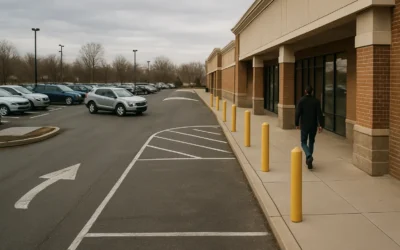
A grocery trip can change quickly when a shopper steps into a puddle near a cooler, slips on dropped merchandise, or loses balance because an aisle is obstructed. If you are researching a Philadelphia grocery store slip and fall lawyer, you may be wondering whether the store is legally responsible or whether the incident was simply an accident.
In Pennsylvania, a store’s responsibility often depends on what caused the fall, whether the store knew—or reasonably should have known—about the condition, and whether reasonable steps were taken to correct or warn about it. The details can matter even when no employee witnessed the fall.
Eric A. Shore provides guidance to people evaluating premises liability and personal injury concerns in Philadelphia. This article explains what to do after a grocery store fall, what photographs and incident-report details may be important, and how inspection and maintenance evidence can affect a potential claim. It is general information, not a determination of liability in any particular case.
When Is a Philadelphia Grocery Store Responsible for a Slip and Fall?
Pennsylvania grocery stores generally owe lawful shoppers a duty to use reasonable care in maintaining areas open to customers. That does not mean a store is automatically responsible for every fall. A potential claim usually turns on whether a dangerous condition existed and whether the store had sufficient notice and a reasonable opportunity to address it.
Actual and constructive notice
A store may have actual notice when an employee knew about the hazard—for example, after receiving a customer complaint or seeing a leaking freezer. Constructive notice is different. It may exist when the condition lasted long enough, or was visible enough, that reasonable inspections should have discovered it.
The difference can be significant in Philadelphia, PA. A puddle that appeared moments before a fall may be difficult to attribute to the store without additional facts. A recurring refrigeration leak, an aisle hazard documented during earlier checks, or a spill that appears dirty or tracked through the area may support an argument that the condition existed for a meaningful period. These are fact-specific questions, not automatic conclusions.
Common grocery store hazards
Potentially relevant conditions may include:
- Spilled liquid, produce, or other food on the floor
- Merchandise dropped from shelves or left in a walkway
- Water near refrigerated or frozen-food cases
- Damaged flooring, mats, or thresholds
- Boxes, carts, or displays obstructing an aisle
- Inadequate warnings around a known temporary condition
A store may argue that it followed reasonable inspection practices or that the hazard was not reasonably discoverable. Evidence about both sides can be important.
What Evidence Can Show What Happened?
A grocery store fall is often evaluated through ordinary details: where the substance was located, how large the affected area was, whether warning signs were present, and when an employee last inspected the aisle. Because conditions may be cleaned or rearranged quickly, early documentation can have lasting importance.
Photographs and witness information
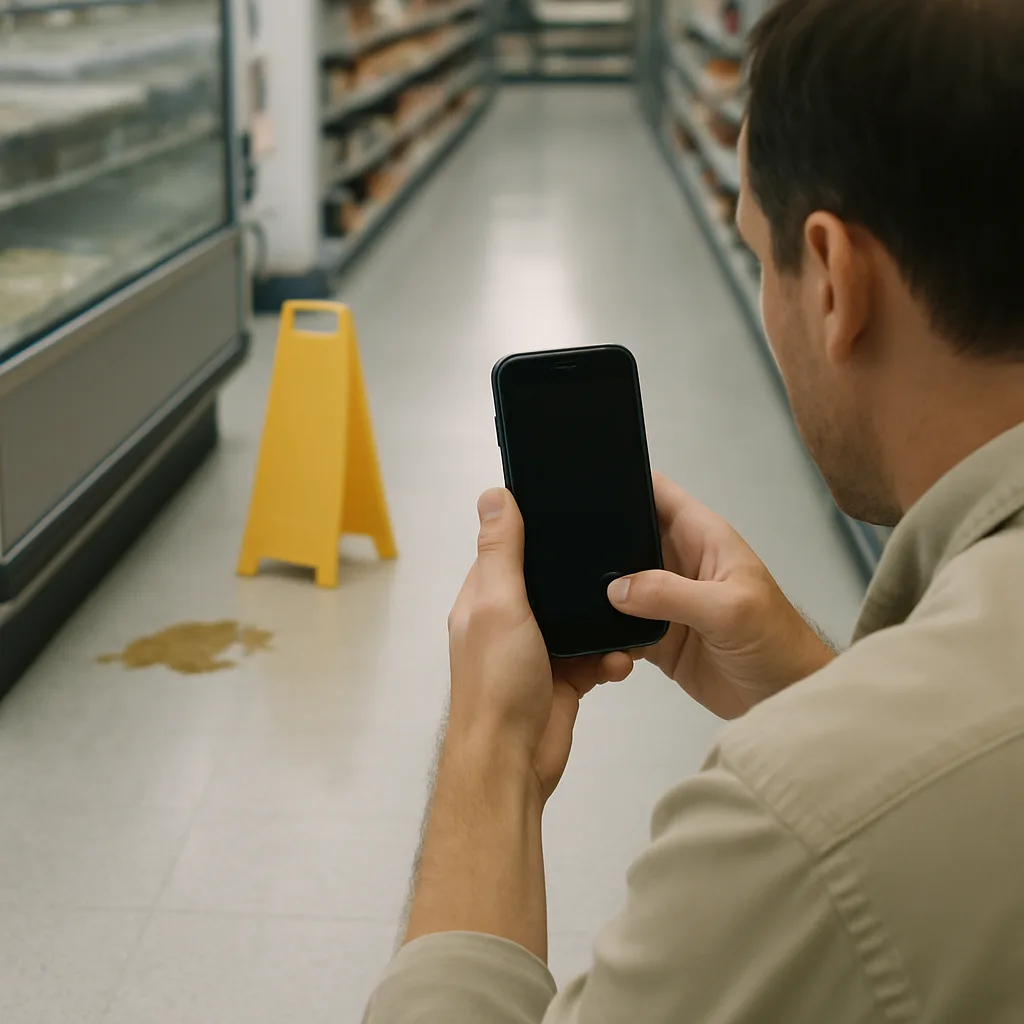
When physically and medically appropriate, photographs may show the aisle, floor condition, nearby cooler or freezer, warning cones, lighting, and the shoes or clothing involved. Wide images can establish location, while closer images may show the substance or surface condition. It can also help to note the date, approximate time, store area, and who took each photograph.
Witnesses may have seen the fall, the hazard, an employee response, or the condition of the aisle beforehand. Names and contact information can be useful if a witness is willing to provide them. A shopper should avoid pressuring anyone or making assumptions about what a witness observed.
Incident reports and inspection records
Stores commonly create internal reports after customer injuries, although the format and retention period may vary. Ask for basic information about the report and identify the employees or managers who responded. Do not assume that a refusal to provide internal records immediately proves wrongdoing; businesses may treat those materials as confidential or preserve them for an insurance or legal process.
Inspection records, cleaning logs, employee schedules, surveillance footage, maintenance requests, and refrigeration service records may help establish when an area was checked and whether a recurring problem existed. In a potential Philadelphia supermarket injury claim, an attorney may evaluate how such evidence can be requested and whether it is relevant under Pennsylvania procedure.
Steps to Consider After a Grocery Store Fall in Philadelphia
The period after a fall can affect the available evidence, but an injured shopper may also be dealing with pain, transportation problems, or uncertainty about what happened. Generally speaking, the following steps may help preserve information without assuming that a claim will succeed:
- Report the incident. Tell a manager or another store representative what happened and where. Request that the incident be documented, and write down the name or description of the person who responded.
- Record your observations. Note the store location, aisle, approximate time, lighting, warning signs, surface condition, and whether the hazard appeared connected to a cooler, freezer, shelf, or display.
- Preserve potential evidence. Keep the clothing and footwear worn during the incident in their existing condition when possible. Preserve photographs, receipts, messages, and notes relating to the event.
- Identify witnesses. Record contact information only when voluntarily provided. Employees who responded may also be relevant witnesses.
- Be careful with statements. A store representative, insurer, or other person may ask for details. It is important to be accurate and avoid guessing about facts you do not remember.
- Consider the timing. Pennsylvania has deadlines that may apply to personal injury claims, and the rules can depend on the circumstances. Laws and procedures may change, so a licensed Pennsylvania attorney can explain how timing may affect a particular situation.
Common evidence problems
People sometimes discard shoes, fail to photograph the location, or wait until the area has been cleaned before recording what occurred. Others remember the fall but cannot identify the precise substance or how long it was present. Those problems do not automatically defeat a potential claim, but they may make the facts harder to establish.
A premises liability attorney can review available evidence, compare it with the store’s account, and explain possible options. In Philadelphia, PA, the appropriate forum and procedure may depend on the parties, the location, the amount involved, and other case-specific facts.
Frequently Asked Questions
Does a wet grocery store floor automatically make the store liable?
No. A wet floor alone does not automatically establish liability under Pennsylvania law. Questions may include how the liquid appeared, whether the store knew or should reasonably have known about it, whether inspections were performed, and whether a warning or cleanup was reasonable. The circumstances surrounding the fall—including the shopper’s own conduct and the condition’s visibility—may also be considered.
What if I did not receive a copy of the store’s incident report?
Not receiving a copy does not necessarily determine whether a potential claim exists. Store reports may be handled through internal procedures or insurance processes. Write down what you reported, who responded, and when the report was made. Depending on the circumstances, a licensed attorney may explain whether additional steps are available to seek relevant records.
Can surveillance video help with a supermarket injury claim?
It may. Video could show the aisle, employee activity, the condition before or after the fall, or how long a hazard may have been present. Retention periods vary, and footage may be overwritten. A lawyer evaluating a Philadelphia supermarket injury claim can discuss evidence-preservation issues and the proper process for seeking potentially relevant video.
What if another shopper created the spill?
A store may still face questions about whether it had actual or constructive notice and whether its inspection practices were reasonable. The source of the spill is only one part of the analysis. If the condition appeared immediately before the fall, the facts may differ from a situation involving a recurring leak or a hazard that remained visible for an extended period.
How Eric A. Shore Can Help
Eric A. Shore is dedicated to helping injured people understand premises liability issues and the evidence that may affect a grocery store fall claim. The firm can review available photographs, witness information, medical documentation, incident details, and communications with the store or an insurer. It may also assess questions involving notice, inspection routines, surveillance, maintenance records, and Pennsylvania filing deadlines.
A case evaluation cannot guarantee a particular result, but it can help clarify the legal issues and potential options. If you were hurt in a Philadelphia grocery store, contact Eric A. Shore for a free consultation and to have your situation evaluated.
The information in this article is for educational purposes only and does not constitute legal advice. Contact a qualified attorney licensed in Philadelphia, PA for advice specific to your situation.