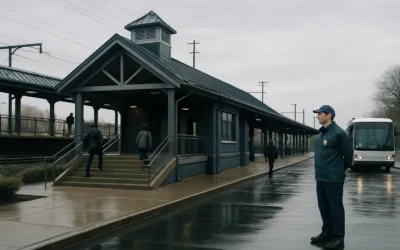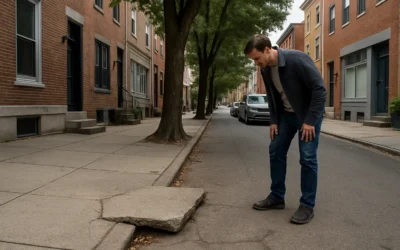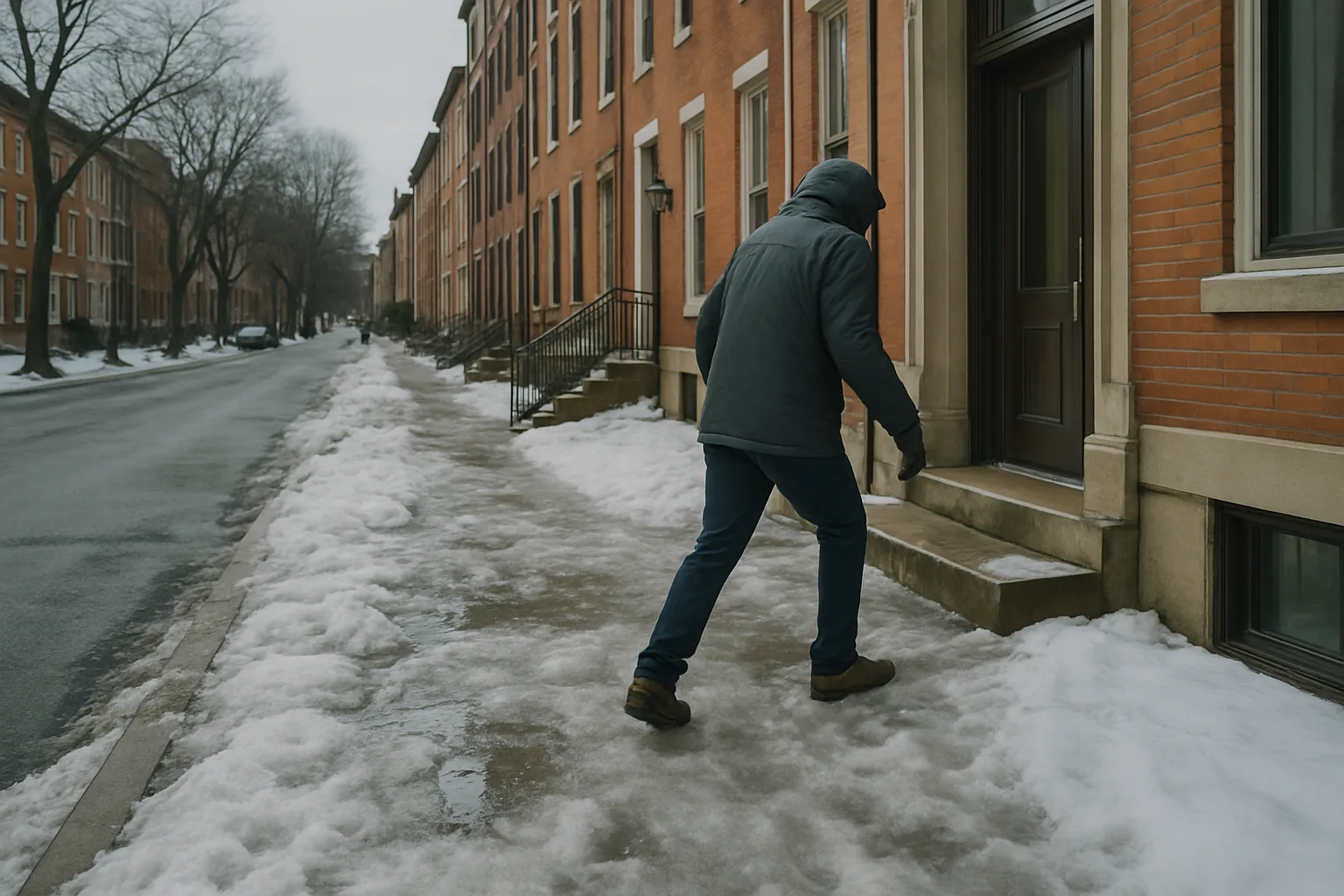
Winter weather can turn an ordinary walk to a store, transit stop, or apartment entrance into a sudden hazard. If you are searching for a Philadelphia snow and ice pedestrian injury lawyer, you may be trying to understand whether a property owner, tenant, property manager, contractor, driver, or another party could be responsible for what happened.
In Philadelphia, snow and ice conditions can change quickly. A walkway may be shoveled but still slick, meltwater may refreeze near a curb, or a vehicle may strike a pedestrian near an entrance where slush and visibility problems exist. These cases often depend on details that disappear quickly after a storm. Eric A. Shore can serve as a knowledgeable guide while an injured person evaluates the facts. This article discusses possible responsibility, evidence preservation, and common issues that may affect a winter pedestrian-injury claim in Pennsylvania.
When Philadelphia Snow and Ice Pedestrian Injuries May Involve Property Responsibility
A person or business responsible for property may have duties related to reasonably safe conditions, depending on the property, the hazard, notice, and the circumstances. Potentially relevant locations include sidewalks bordering stores, apartment buildings, office properties, parking lots, loading areas, and commercial entrances.
Who may be involved?
Depending on the facts, a claim may involve:
- A property owner or landlord responsible for exterior areas;
- A tenant or business that controls an entrance or walkway;
- A property manager or maintenance company;
- A snow-removal contractor; or
- A municipality or other public entity, subject to special rules and defenses.
Pennsylvania premises-liability law is fact-specific. The condition may have existed long enough that a responsible party knew, or reasonably should have known, about it. Evidence can also matter when the property created or worsened the hazard through poor drainage, downspouts, uneven pavement, or snow piled where it later melted and refroze.
Pennsylvania courts may consider the natural-accumulation or “hills and ridges” doctrine in some snow-and-ice disputes. That doctrine does not automatically decide every case. The nature of the accumulation, weather history, property conditions, and the parties’ conduct may all require careful review.
How Responsibility Is Evaluated After a Philadelphia Winter Pedestrian Accident
A winter pedestrian injury may involve more than one source of danger. For example, a person could slip on ice near a store entrance after water drained from a roof, or a driver could fail to see a pedestrian because snow narrowed a travel path and reduced visibility. Each situation requires a separate analysis of what happened and who controlled the relevant area.
Important questions may include:
- Where exactly did the incident occur? The sidewalk, curb, parking lot, private walkway, roadway, or entrance may be controlled by different parties.
- What created the hazard? Possible causes include uncleared snow, compacted ice, slush, refreezing water, blocked drainage, poor lighting, or an obstructed sightline.
- How long did the condition exist? Weather records, surveillance footage, maintenance logs, and witness accounts may help establish timing.
- Who had notice or control? A store employee, landlord, contractor, or municipal entity may have different responsibilities.
- Did a vehicle contribute? A driver’s speed, attention, stopping distance, and visibility may be relevant if a collision occurred.
The Philadelphia Streets Department may be relevant to public-way conditions, but it does not determine responsibility in every injury case. Claims involving government-owned property can involve additional notice requirements, procedural rules, and limitations under Pennsylvania law. Laws and procedures vary by location and may change, so the specific property and jurisdiction should be identified before drawing conclusions.
Comparative-fault principles may also be considered. A person’s footwear, pace, route, visibility, and actions may be examined alongside the conduct of property owners, businesses, contractors, or drivers. That does not mean an injured pedestrian is automatically at fault; it means the complete factual picture may matter.
Winter Injury Evidence: A Philadelphia Documentation Checklist
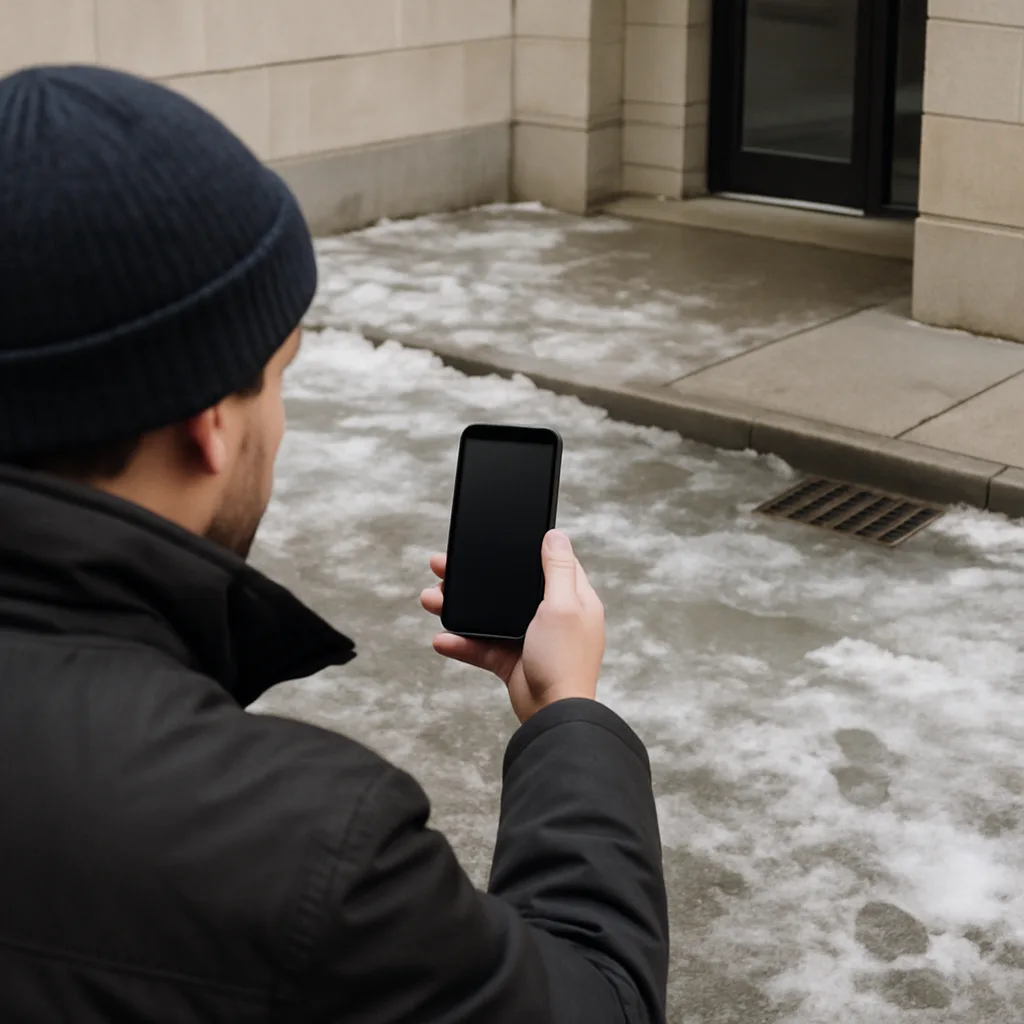
Snow and ice conditions may look different hours later. A careful record can help preserve information for an attorney, insurer, or court review. Generally speaking, a person or a family member may consider documenting the following when reasonably able:
- Photographs and video: Capture the precise area, close views of ice or slush, nearby drainage points, lighting, curb conditions, and the route a pedestrian took. Take wider images that show the surrounding property as well as close images of the hazard.
- Timing of the fall or collision: Record the date and approximate time, weather conditions, whether precipitation was ongoing, and when the condition was first noticed. If conditions changed after the storm, note when snow was removed, salted, plowed, or allowed to melt.
- Footwear and clothing: Preserve the shoes worn at the time, without altering or cleaning them. Their condition may become relevant to how the incident is evaluated.
- Medical care: Keep records of medical visits, discharge instructions, bills, prescriptions, and work restrictions. A healthcare professional—not an article—must evaluate injuries and recommend treatment.
- Witness accounts: Obtain names and contact information when possible, and write down what witnesses observed while memories are fresh. Do not pressure anyone to adopt a particular version of events.
- Property complaints: Note whether the hazard was reported before the incident, to whom, and how. Preserve emails, messages, photographs, or confirmation numbers if they exist.
- Changing conditions: Document later visits, snow-removal activity, weather changes, and whether the area was repaired or altered. A store entrance or apartment walkway may not look the same the next day.
Avoid posting detailed accounts or photographs publicly before receiving advice about the situation. Depending on the circumstances, an attorney may also consider surveillance video, incident reports, weather data, maintenance records, inspection information, and communications about the condition.
Frequently Asked Questions
Can I have a claim if snow was still falling when I was injured?
Possibly, but active snowfall can make responsibility more complicated. The timing of the storm, the nature of the accumulation, prior weather, the property’s drainage, and whether a party had a reasonable opportunity to address the condition may matter. Pennsylvania snow-and-ice cases are fact-specific, and the natural-accumulation or hills-and-ridges doctrine may be relevant in some disputes. A licensed attorney can evaluate the particular location and sequence of events.
What if I slipped on a Philadelphia sidewalk outside a store?
Responsibility may depend on who owned, occupied, maintained, or controlled the sidewalk and whether the hazard was connected to the property. A public sidewalk can involve different parties than a private entrance or parking lot. Photographs showing the exact location, nearby building features, and the condition of the walkway may help identify the responsible entity. The location should be documented carefully because property control is not always obvious.
Does a store’s incident report prove that it was responsible?
Not necessarily. An incident report may preserve useful facts, such as the time, location, witnesses, and description of the condition, but it does not by itself establish legal responsibility. Reports can also contain statements that require context. If a business prepares a report, a person may wish to request or preserve available details without assuming that the report resolves the claim.
What if a car hit me near an icy entrance?
A vehicle-related injury may involve driver conduct, roadway conditions, pedestrian visibility, and the actions of a property owner or other party. Snowbanks, slush, poor lighting, or blocked sightlines may be relevant, but they do not automatically establish fault. Evidence may include photographs, witness information, vehicle or police records, medical documentation, and the precise position of the pedestrian and vehicle.
How Eric A. Shore Can Help
Eric A. Shore is dedicated to helping injured pedestrians understand how Pennsylvania premises-liability and personal-injury principles may apply to winter incidents. The firm can review the location, weather-specific evidence, property-control questions, medical documentation, and possible involvement of a driver, business, landlord, contractor, or public entity.
Because conditions can change and important records may not remain available, a timely consultation may help clarify what information deserves attention. Eric A. Shore is committed to fighting for clients’ rights while providing a case-specific evaluation grounded in the available facts. Contact the firm for a free consultation or case evaluation.
The information in this article is for educational purposes only and does not constitute legal advice. Contact a qualified attorney licensed in Philadelphia, PA for advice specific to your situation.