A collision can leave drivers with very different memories of what happened. One person may recall braking before impact; another may remember a vehicle changing lanes. In New Jersey, accident reconstruction evidence can help professionals compare those accounts with the physical and electronic information that remains after a crash. Eric A. Shore can help readers understand how technical evidence may fit into a personal injury claim, including when a New Jersey injury claim may need an expert witness.
This article explains what reconstruction professionals may examine, how they compare information from different sources, and why prompt photographs and measurements can matter. No single photograph, vehicle mark, or data point necessarily tells the whole story. The value of evidence depends on its reliability, context, and how it fits with other available information.
What New Jersey accident reconstruction evidence can show
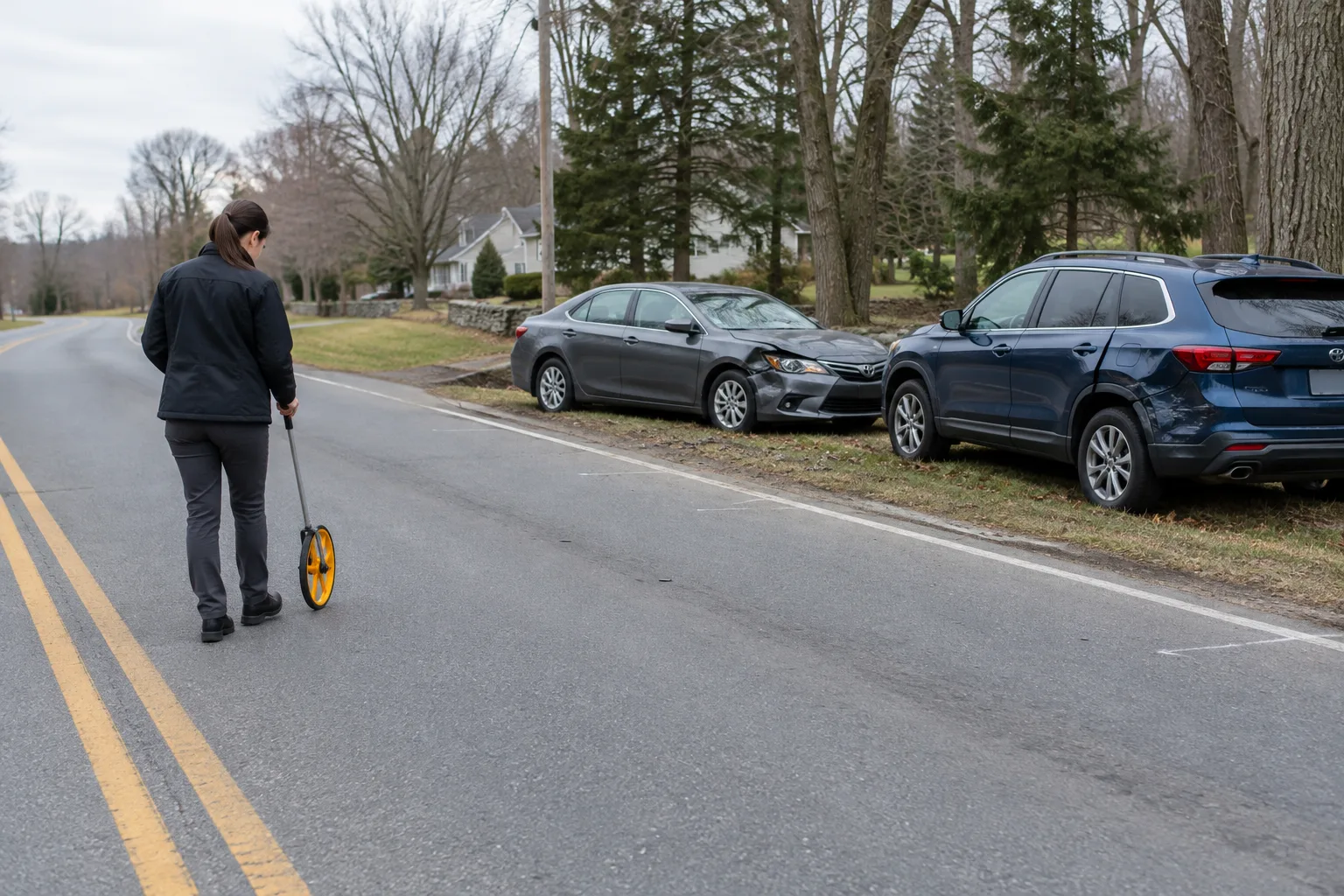
Reconstruction professionals may begin with the physical scene and the vehicles involved. Depending on what has been preserved and is available for review, they may assess roadway geometry, the vehicles’ final positions, visible damage, debris, tire marks, and other marks on the road. They may also consider measurements recorded by investigators or taken during a later inspection. Those observations can help test whether a proposed sequence is consistent with the physical evidence.
Vehicle damage and scene measurements
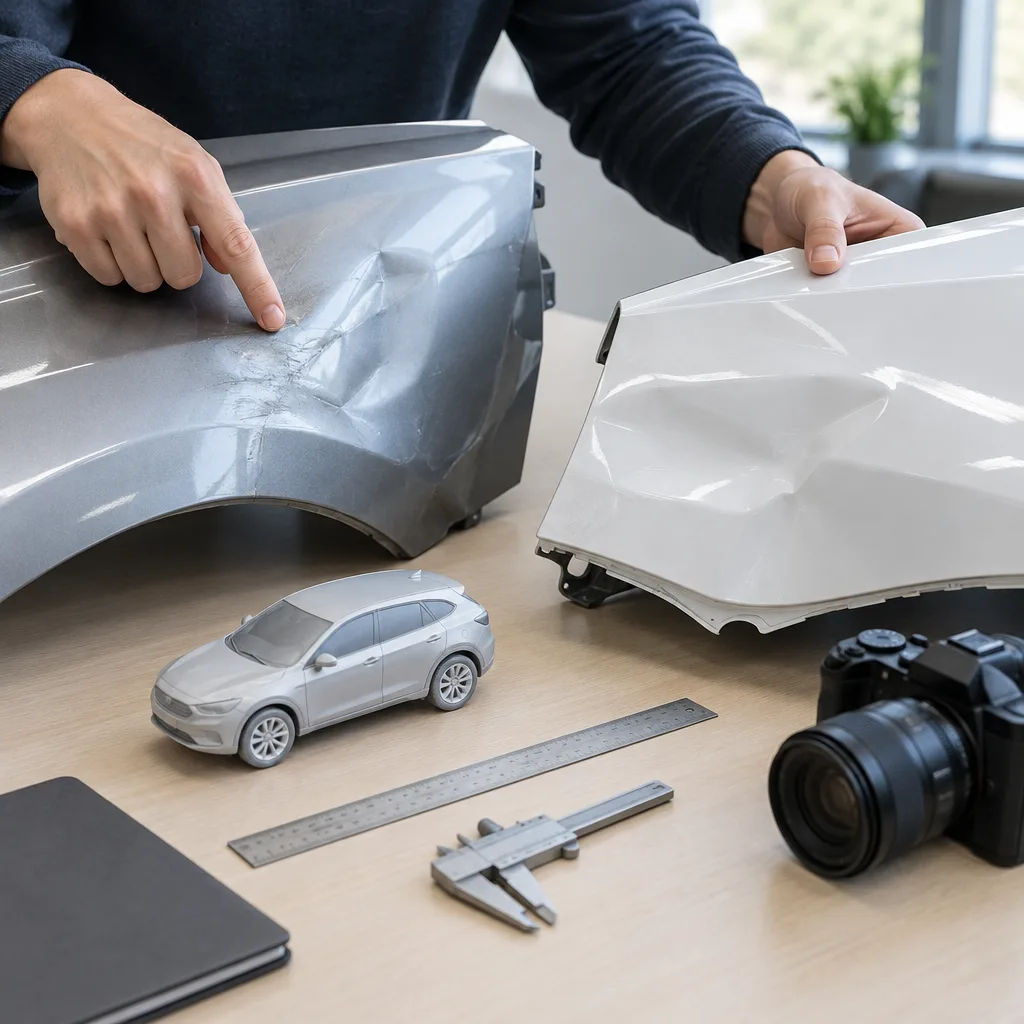
Vehicle damage analysis in a New Jersey car accident may include the location, direction, and pattern of damage, along with measurements of the vehicles and relevant parts. An expert may compare those findings with photographs, repair information, and the accounts of people involved. Damage can help evaluate points of contact or the direction of force, but it does not automatically establish a vehicle’s speed, the driver’s conduct, or legal responsibility.
Scene measurements can document distances, roadway layout, grades, lanes, and the relationship between physical marks and nearby features. A later inspection may find that the scene has changed, so professionals must distinguish original evidence from conditions observed afterward. Readers can learn more about what New Jersey crash data from a vehicle’s event recorder may reveal. Event recorder information may be limited, and it needs context rather than being treated as a complete account.
A reconstruction professional may explain technical findings and the reasoning behind an opinion. The expert does not decide legal fault; that is a separate question. For more on the role experts may play, see when a New Jersey injury claim may need an expert witness.
How photographs, records, and data add context
Physical evidence is often more useful when compared with records made close to the time of a collision. Photographs can show vehicle positions, visible damage, debris, traffic controls, sight lines, and the condition of the roadway. Their usefulness may depend on when and where they were taken, what is in the frame, and whether the images have been preserved in their original form. A photo provides a view from one moment and angle, not a complete reconstruction by itself.
Digital evidence and crash reports
Dashcam footage, emergency calls, and some vehicle or phone records may provide timing or viewpoint information. These sources can be compared with physical findings, but they may have gaps, limited coverage, or technical limitations. Learn about digital evidence that may help clarify a New Jersey crash, including why electronic material needs context before drawing conclusions.
A police crash report may record initial observations and information about the people and vehicles involved. It can be a useful starting point, but it may not include every measurement or resolve a disagreement about how the crash happened. Readers can review how to obtain and read a New Jersey crash report to understand what this record may—and may not—contain.
Experts may compare sources for consistency. For example, a reported direction of travel might be considered alongside vehicle damage, roadway marks, and available video. If sources conflict, the conflict may need to be explained rather than ignored. The reliability of each item, its timing, and how it was collected can affect how much weight it deserves.
Why prompt documentation matters—and where limits apply
Roads and scenes do not stay fixed. Vehicles may be moved or repaired, debris cleared, and temporary hazards removed. Weather can also change visibility and road surfaces. In New Jersey, where rain, snow, or ice may affect driving conditions, photographs taken promptly can preserve details that a later inspection may not capture. See what to document after a winter car accident in New Jersey for examples of conditions that may be relevant.
If it is safe and practical, photographs may capture the broader scene as well as closer views of damage and marks. A useful record can include the date and approximate time, the location, weather and lighting, and the direction from which each image was taken. Do not enter traffic or put yourself at risk to gather evidence. Not every person will be in a position to take photographs, and other records or later inspections may still be available.
Witness observations can add another perspective, but memories may differ and may become less precise over time. Names and contact information can help identify people who saw the collision; accounts should not be coached. Learn about ways to identify witnesses after a New Jersey crash.
A reconstruction opinion also has limits. Missing measurements, altered vehicles, incomplete photographs, or uncertain timing can constrain what an expert can responsibly conclude. The expert may compare competing explanations and describe which are consistent with the evidence, but an opinion is not a guarantee of how an insurer, judge, or jury will view a claim. The specific evidence and applicable rules can vary with the circumstances and jurisdiction.
Frequently Asked Questions
Does every New Jersey car accident need a reconstruction expert?
No. Many collisions can be evaluated through ordinary records, photographs, and witness accounts. A reconstruction expert may be considered when the sequence of events is disputed and technical analysis could clarify the available evidence. Whether that work is useful depends on the injuries, disputed issues, available material, and cost. An attorney can assess the circumstances and explain whether expert analysis may be appropriate.
Can vehicle damage alone show who caused a crash?
Usually, damage is one piece of evidence, not a complete answer. Its location and pattern may help an expert evaluate contact points or compare accounts, but damage can be affected by vehicle design, movement, and other circumstances. It does not by itself decide legal responsibility. A fuller assessment may compare damage with measurements, photographs, road conditions, records, and witness observations.
Can an expert inspect a crash scene months later?
A later inspection may still document roadway layout and other features, but the scene may have changed. Repairs, resurfacing, weather, or removed debris can make some original conditions difficult to assess. Professionals may rely on contemporaneous photographs, measurements, reports, and other records to understand what existed earlier. The usefulness of a later inspection depends on what remains and what reliable documentation is available.
Are photographs enough to prove how a New Jersey collision happened?
Photographs can preserve important details, but they show only particular views at particular times. They may not capture the full sequence, distances, or conditions outside the frame. Their significance is stronger when considered alongside measurements, vehicle evidence, reports, recordings, and other accounts. The quality, timing, and context of the images matter when assessing what they can support.
How Eric A. Shore Can Help
Eric A. Shore is dedicated to helping injured people understand the evidence and legal issues that may shape a New Jersey accident claim. The firm can review the available information, discuss questions about technical evidence, and evaluate whether additional investigation may be relevant to the circumstances. Each matter is different, and no particular result can be promised. If you have questions about a crash and the evidence that may help explain it, contact Eric A. Shore to request a free consultation or case evaluation.
The information in this article is for educational purposes only and does not constitute legal advice. Contact a qualified attorney authorized to practice in the jurisdiction that applies to your matter for advice specific to your situation.