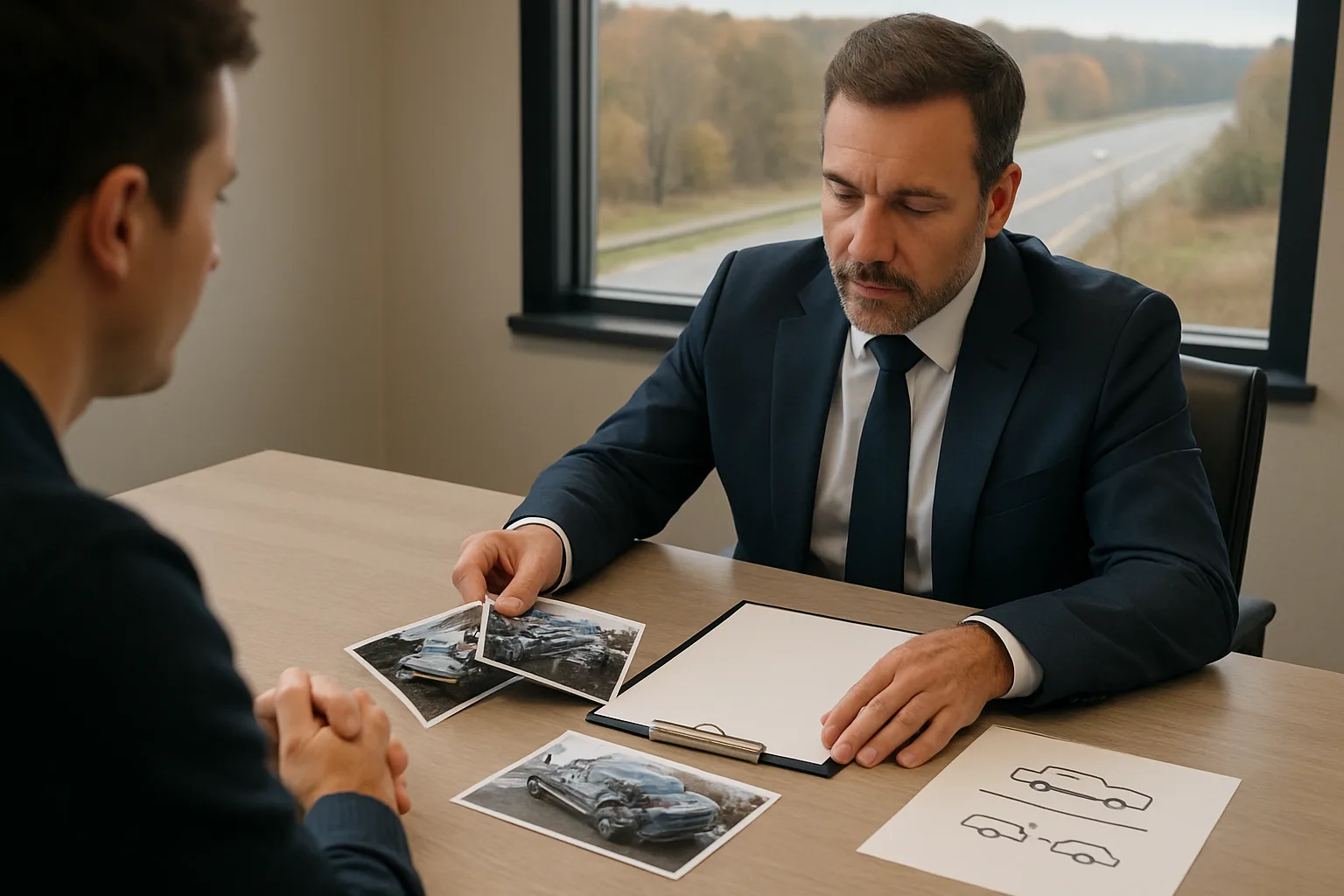
A crash can leave you with medical records, photographs, bills, and unanswered questions. You may know that you were injured, but proving how the injury occurred, how serious it is, and how it affects your future can require more than your own account. A New Jersey personal injury expert witness may be relevant when the facts involve specialized medical, technical, vocational, or financial issues.
A lawyer does not automatically need to hire several experts in every case. As a practical matter, an attorney may first identify what is actually disputed, review the available records, and consider whether expert testimony would add reliable information that ordinary evidence cannot provide. A New Jersey car accident lawyer may use that process to evaluate liability, injury evidence, wage loss, and litigation costs.
Eric A. Shore can help New Jersey injury victims understand how specialized proof may fit into a claim. This article explains the main types of experts, the questions each may address, and why proportionality matters.
When Does a New Jersey Personal Injury Expert Witness Help Prove an Injury?
Expert testimony is generally used when a subject is outside the ordinary knowledge of a judge or jury. In an injury case, that subject might be the cause of a spinal condition, the mechanics of a collision, the safety of a walkway, or the effect of an injury on future employment.
Medical experts and injury causation
A treating physician or other qualified medical professional may explain a diagnosis, whether the reported mechanism is medically consistent with the condition, the nature of treatment, and the likely course of recovery. In appropriate cases, a medical expert may also discuss functional restrictions or the need for future care. Medical evidence in spinal injury claims after an accident can be especially important when symptoms develop over time or a prior condition is part of the factual history.
A medical expert generally does not decide who was legally negligent. Nor does that expert usually calculate lost earnings or determine the value of a claim. Those questions may require other evidence and legal analysis.
Why the same expert is not right for every claim
A minor-impact dispute involving clear records may not call for the same level of testimony as a serious injury claim involving competing medical opinions or long-term limitations. An attorney may consider the injury, the disputed facts, the available records, the court’s scheduling requirements, and the expense of retaining an expert before making that decision.
Which Experts May Address Fault, Conditions, and Financial Losses in New Jersey?
Different experts answer different questions. Their opinions should be tied to reliable information and the specific issue in dispute, rather than used simply to make a claim appear more complicated.
Accident reconstruction and engineering experts
An accident reconstruction expert may analyze vehicle damage, photographs, surveillance footage, event data, roadway evidence, vehicle positions, and skid or tire marks. In a commercial-vehicle case, the expert may also review inspection information or other records relevant to how the collision occurred. This is different from deciding legal fault. A useful resource on what trucking-company investigators and accident reconstruction experts examine after a New Jersey crash provides additional context.
An engineering or safety expert may examine a physical condition, such as walkway design, surface changes, drainage, maintenance, or visibility. For example, New Jersey apartment walkway injury responsibility may involve technical questions about whether a condition departed from reasonable design or maintenance practices. In a pedestrian case, poor lighting evidence in a New Jersey pedestrian injury claim may require measurements, photographs, or analysis of visibility at the relevant time.
Vocational and economic experts
A vocational expert may assess work restrictions, transferable skills, employability, and whether an injured person can perform the same or other work. An economist may estimate past or future wage loss using information about earnings, work history, benefits, and expected work life. These professionals generally do not diagnose injuries or decide liability. They help quantify consequences after medical and vocational facts are established. Car-accident wage-loss issues when an injury affects work can be particularly relevant when employment and injury claims overlap.
How Does a New Jersey Accident Lawyer Decide Whether Expert Testimony Is Proportionate?
The decision often begins with the disputed issue, not with a predetermined list of experts. In a New Jersey Superior Court civil action, counsel may review pleadings, medical records, photographs, police materials, witness statements, insurance information, and available discovery to determine what needs explanation.
A lawyer may consider questions such as:
- Is the injury diagnosis or connection to the accident genuinely disputed?
- Do ordinary records clearly show how the incident occurred?
- Would an expert provide information that a witness or document cannot?
- Are the expected benefits of specialized testimony proportionate to its cost?
- Could the opposing side challenge the expert’s methods, assumptions, or qualifications?
- Does the court’s schedule require reports, depositions, or other expert disclosures?
Before retaining an expert, counsel may also look for existing evidence that can answer the question more efficiently. New Jersey car accident digital evidence may include dashcam footage, vehicle-system information, emergency calls, or location data. An expert can sometimes interpret technical records, but cannot create information that the records do not contain.
The goal is not to use the most experts possible. It is to present reliable proof that addresses the issues a fact-finder must understand. Depending on the circumstances, a lawyer may recommend one expert, several specialists, or no expert at all.
Frequently Asked Questions
Can a treating doctor serve as an expert witness in a New Jersey injury case?
A treating doctor may be able to provide opinions based on the examination, treatment, and medical records, but the scope of testimony depends on the facts and applicable New Jersey court requirements. A treating provider may address diagnosis, causation, restrictions, or prognosis when properly supported. The provider does not decide legal liability, and a lawyer may determine whether additional expert testimony is needed.
Does every New Jersey accident claim require expert testimony?
No. Some claims can be supported through photographs, medical records, witness testimony, business records, and other ordinary evidence. Expert testimony may become more relevant when causation, future limitations, accident mechanics, technical conditions, or financial losses are disputed. An attorney generally evaluates whether specialized testimony would materially assist the claim rather than assuming that every case requires an expert.
Who pays for a personal injury expert in New Jersey?
Payment arrangements vary by expert, law firm, case type, and written agreement. Some experts charge for review, reports, depositions, or testimony, and those costs may be handled differently from attorney fees. A prospective client can ask counsel to explain anticipated litigation expenses, who advances them, and how they may be treated under the representation agreement.
Can an expert guarantee that an injury claim will succeed?
No. An expert’s role is to offer an opinion within the expert’s field based on reliable facts and methods. The expert cannot guarantee a verdict, settlement, or other legal result. The court or fact-finder evaluates the evidence, and opposing counsel may challenge the expert’s qualifications, assumptions, or conclusions.
How Eric A. Shore Can Help
Eric A. Shore is dedicated to helping injured people understand the evidence that may matter in a New Jersey personal injury claim. The firm can review the nature of the accident, medical documentation, work-related effects, and disputed technical facts while considering whether specialized testimony is appropriate. That evaluation may include identifying the questions an expert should answer and separating those questions from the legal issues reserved for the court or fact-finder.
The firm is committed to fighting for clients’ rights through careful preparation and clear communication. Contact Eric A. Shore for a free consultation or case evaluation to discuss your situation and explore your legal options.
The information in this article is for educational purposes only and does not constitute legal advice. Contact a qualified attorney licensed in New Jersey for advice specific to your situation.