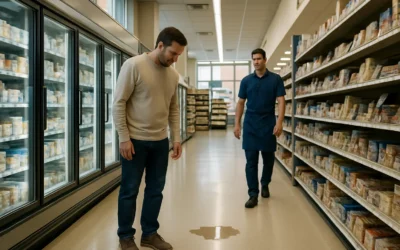
A product falls from a high shelf. A display tips when a shopper reaches for an item. Boxes stacked near an aisle shift and strike someone below. These incidents can happen quickly, leaving an injured shopper unsure what caused the accident or what information may matter later. Falling Merchandise Injuries in New Jersey Stores: What Evidence Matters? is an important question because the physical evidence may be moved, discarded, or changed soon after the event.
A New Jersey falling merchandise injury lawyer, such as Eric A. Shore, can help a shopper understand how evidence may relate to a premises liability or personal injury claim. This article covers the product and display, photographs, witnesses, store reports, medical records, and communications with the retailer. It also explains practical mistakes to avoid while the facts are still being documented.
What Evidence Matters in a New Jersey Falling Merchandise Injury?
A falling merchandise case often turns on details that are easy to overlook. The issue is not simply that an item fell. Depending on the circumstances, the evidence may help show how the item was stored or displayed, whether the condition was dangerous, and whether a store or another responsible party had an opportunity to address it.
Preserve the product and the display
If it is safe to do so, identify the exact product involved. Note its brand or model, approximate size and weight, packaging condition, and whether it was damaged. Do not alter, repair, discard, or clean the item before speaking with an attorney if the product may be relevant. A photograph of the item beside the shelf or display can help provide scale and context.
The surrounding setup also matters. A shelf collapse injury in NJ may involve the shelf, brackets, hooks, pallet, rack, endcap, or other fixture. Look for overloaded shelves, leaning boxes, missing supports, damaged packaging, or merchandise extending beyond the display. The store may not be the only potentially relevant party; manufacturers, distributors, stocking contractors, or vendors may have handled the merchandise.

Building a Record After a Falling Product Accident in New Jersey
Evidence is often strongest when it is collected from several independent sources. A single photograph or conversation may not answer every question. In New Jersey, an attorney evaluating a retail injury claim may compare the physical scene with witness accounts, store records, and medical documentation.
Photographs and video
Take photographs of the area from several distances and angles, if your condition permits. Useful images may show:
- The entire aisle, department, or display area
- The shelf, rack, pallet, or fixture involved
- The product and any damaged packaging
- Floor conditions, lighting, warning signs, and nearby obstructions
- The location of surveillance cameras or employee work areas
- Clothing, shoes, or personal items damaged in the incident
Avoid rearranging the scene merely to create a clearer photograph. If store personnel move the merchandise, record what changed as soon as reasonably possible and preserve any original images. Many stores use surveillance systems that overwrite footage, so a timely written request to preserve relevant video may be important. An attorney can explain how preservation requests may fit the circumstances.
Witnesses and store documentation
Ask witnesses for their names and contact information if they are willing to provide it. Employees who responded to the incident may have observed the display before or after the product fell. Other shoppers may have seen whether merchandise was already unstable or whether an employee was handling the item.
Request a copy of any incident report, but understand that a report may not contain every relevant fact. Record when the incident occurred, where it happened, who responded, what was said, and whether the store offered assistance. In a New Jersey Superior Court claim, contemporaneous records and consistent accounts can help counsel reconstruct the event, although their value depends on the specific facts.
Common Evidence Mistakes in a Retail Store Negligence Claim
People often focus on the immediate pain and forget that ordinary communications and records can later become important. A practical checklist can help keep the account accurate without turning the shopper into an investigator.
- Report the incident before leaving, when possible. Ask that the event be documented and note the name or description of the person who received the report.
- Write down your account promptly. Include the date, approximate time, store location, aisle or department, what fell, where you were standing, and what happened immediately afterward.
- Keep medical records and bills together. Follow the care plan provided by medical professionals and keep appointment information, work restrictions, receipts, and correspondence. These records can help document the injury and its effects; they do not by themselves establish store liability.
- Use care in communications. Be accurate and concise when speaking with store representatives, insurers, or claims administrators. Avoid guessing about facts you did not observe or making broad statements about your condition before its full effects are understood.
- Do not post detailed commentary online. Photos or statements shared publicly may be taken out of context. Preserve private communications and provide relevant information to counsel.
A retail store negligence claim may involve questions about notice, reasonable inspection, safe stacking, employee conduct, product design, or vendor responsibility. New Jersey law governs a claim arising in New Jersey, but the analysis can vary by county, store arrangement, and evidence. A lawyer may also assess deadlines and the proper forum, which commonly includes the New Jersey Superior Court for civil personal injury actions.
Frequently Asked Questions
What if the store refuses to give me an incident report?
A store may have its own policies about incident reports and may not provide a copy immediately. You can preserve your own account by writing down what occurred, identifying witnesses, and keeping photographs and medical documentation. Do not assume that the absence of a report ends the matter. Depending on the facts, an attorney may seek relevant records or communicate with the retailer about preserving evidence.
Can I bring a claim if an employee dropped the merchandise?
Possibly, but the answer depends on what happened and which parties may bear legal responsibility. An employee’s actions, the store’s procedures, and the role of a vendor or stocking contractor may all be relevant. The fact that an employee was involved does not automatically resolve liability. A New Jersey attorney can review the circumstances and explain the potential claims and defenses.
What if I did not take pictures at the scene?
A lack of photographs does not necessarily prevent an evaluation. Other evidence may include witness statements, surveillance footage, store records, the product itself, clothing damage, medical records, and your prompt written account. It is helpful to preserve whatever information remains and avoid guessing about missing details. Evidence should be assessed as a whole rather than through one item alone.
Do I need the packaging or product after the accident?
The product and packaging may help show weight, condition, warnings, or how the item was designed to be stored. Preserve them when reasonably possible, but do not put yourself at risk or interfere with a store investigation. If the item belongs to the retailer or another party, ask an attorney how to address preservation. The importance of the product depends on the cause and facts of the incident.
How Eric A. Shore Can Help
Eric A. Shore is dedicated to helping injured people understand the evidence and legal issues that may arise after a store accident. The firm can review photographs, witness information, store communications, medical documentation, and available details about the shelf, display, product, or vendor involved. It is committed to fighting for clients’ rights while recognizing that every New Jersey premises liability matter depends on its own facts and applicable law.
If a falling product or unstable display injured you, contact Eric A. Shore for a free consultation or case evaluation. The firm is ready to evaluate your situation and discuss your legal options.
The information in this article is for educational purposes only and does not constitute legal advice. Contact a qualified attorney licensed in New Jersey for advice specific to your situation.