An assault in a parking lot can leave someone dealing with physical injuries, fear, and uncertainty about what to do next. If the property had poor lighting, broken gates, missing cameras, or no reasonable security measures, you may wonder: Does negligent security apply after an assault in a Philadelphia parking lot? A Philadelphia negligent security lawyer parking lot assault case review may examine those conditions, the property’s history, and the relationship between the security problem and the injury.
This article provides a trauma-informed overview of what to consider after an assault at a lot, garage, apartment complex, retail property, or entertainment district. It covers immediate medical care, reporting, preserving clothing and messages, identifying witnesses, and requesting preservation of surveillance and access-control records. Eric A. Shore can serve as a knowledgeable guide while you evaluate whether a premises liability claim may be appropriate under Pennsylvania law.
When Can Negligent Security Apply After a Philadelphia Parking Lot Assault?
Negligent security is generally a premises liability theory. It may arise when a property owner, manager, or other responsible party fails to take reasonable steps to protect lawful visitors from foreseeable criminal activity. The analysis is fact-specific. An assault alone does not automatically establish property-owner liability, and the attacker’s conduct does not necessarily make the property owner responsible.
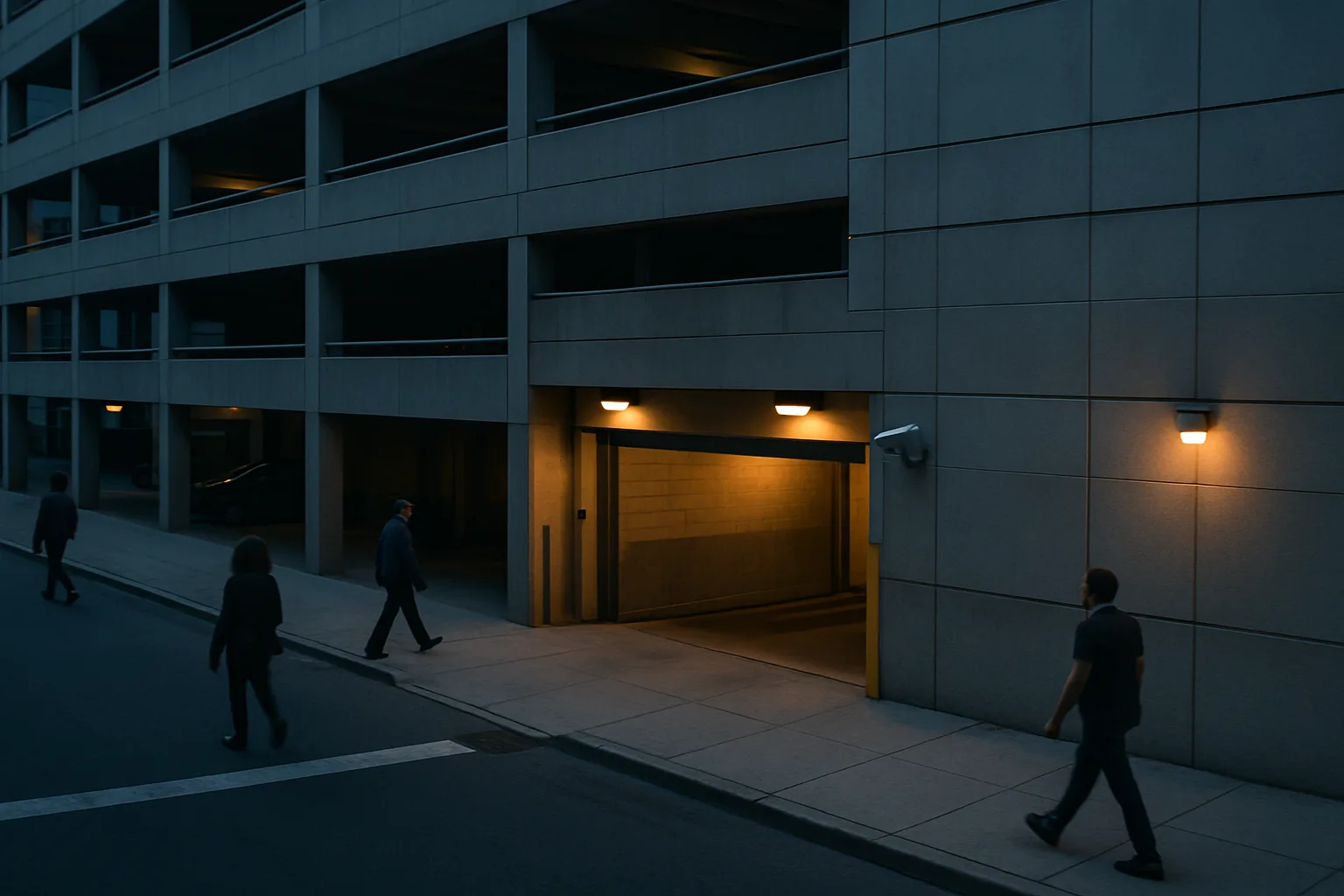
In Philadelphia, PA, an attorney may examine whether the property’s security conditions were unreasonable under the circumstances and whether those conditions contributed to the harm. The investigation may include the location’s layout, the time of day, lighting, access points, staffing, gates, locks, cameras, and prior reports of similar incidents.
Foreseeability and notice
A key issue may be whether the responsible party knew or reasonably should have known about a meaningful security risk. Evidence can include prior police or incident reports, complaints to management, maintenance requests, security logs, and recurring problems with trespassing or unauthorized entry. The absence of a prior identical assault does not necessarily end the inquiry, but the facts must be evaluated carefully.
Who may have security responsibilities?
The potentially responsible party depends on ownership, possession, and control. It could involve a parking operator, apartment owner or manager, retail property owner, or another entity responsible for common areas. Leases, contracts, and security agreements may help clarify who controlled lighting, surveillance, access systems, or guards. A premises liability lawyer may investigate these relationships rather than assuming the identity of the responsible party.
What Evidence Supports an Inadequate Security Injury Claim?
Evidence can disappear quickly after an assault. Surveillance systems may overwrite footage, access-control data may be retained for limited periods, and witnesses may become difficult to locate. A person who has been assaulted may not be able to gather everything immediately, so asking a trusted person to help can be appropriate.
Depending on the circumstances, useful preservation steps may include:
- Seek medical attention for injuries and follow the treating provider’s instructions. Tell medical personnel how the incident occurred so the record accurately reflects the event.
- Report the assault to the Philadelphia Police Department or the appropriate law-enforcement agency, when doing so is safe and consistent with your circumstances. Request the report or incident information when available.
- Photograph visible injuries, damaged personal property, the parking area, lighting conditions, entrances, gates, and other relevant conditions. Avoid returning to an unsafe location alone.
- Preserve clothing, shoes, bags, and other items involved in the incident. Do not wash, repair, discard, or alter them if they may be relevant evidence.
- Save texts, direct messages, emails, voicemails, ride records, receipts, and communications with property personnel. Keep original messages and note when they were received.
- Write down what you remember, including approximate times, locations, people present, lighting, sounds, and the sequence of events. Memory can change after a traumatic event.
A written preservation request may ask the property owner or operator to retain camera footage, gate and door records, key-fob data, alarm records, guard schedules, incident reports, maintenance records, and communications about the area. A request does not guarantee that evidence exists or will be produced, but it can alert the responsible party that relevant material should be preserved.
How Are Philadelphia Parking Lot Assault Claims Investigated?
A potential claim usually requires more than showing that an assault occurred on someone else’s property. The investigation may connect the property condition or security decision to the injury and address defenses raised by the owner or operator. Pennsylvania law governs a premises liability claim in Philadelphia, PA, but the outcome can depend on detailed facts and applicable procedural rules.
An attorney may organize the investigation around several questions:
- What was the visitor’s status? The nature of the visit and whether the person was authorized to be on the property can affect the property owner’s duty.
- What security measures were present? This may include lighting, fencing, locks, cameras, emergency phones, signage, controlled entry, patrols, or employees assigned to monitor the area.
- Were warning signs or known problems documented? Complaints, prior incidents, work orders, and communications may help establish notice or contradict it.
- What caused the injury? Medical records, photographs, witness accounts, and other evidence may help evaluate the connection between the alleged security failure and the harm.
- Which entities controlled the area? Ownership records, leases, management agreements, and vendor contracts may identify parties with relevant responsibilities.
Common mistakes include confronting property personnel, posting detailed accounts on social media, discarding clothing, or assuming that a criminal investigation automatically resolves a civil claim. People should also be cautious about giving recorded statements or signing releases without understanding what they cover. Depending on the circumstances, a licensed Pennsylvania attorney may explain the potential effects of those steps.
Philadelphia claims may involve coordination with law enforcement, medical providers, property managers, insurers, and the Philadelphia court system. Deadlines and notice requirements can vary based on the claim, the defendant, and the property involved, so timely legal evaluation may be important.
Frequently Asked Questions
Can I pursue a claim if the assault happened in a parking garage instead of a surface lot?
Possibly. A garage, surface lot, apartment complex, retail property, or entertainment venue may each present different security conditions and ownership arrangements. The analysis may consider lighting, access controls, cameras, prior incidents, and who controlled the area. The location alone does not establish liability. A Philadelphia attorney can review the specific facts and explain how Pennsylvania premises liability principles may apply.
What if the parking lot had security cameras, but the footage is missing?
Missing footage does not automatically prove that a property owner was negligent. However, the circumstances surrounding the footage may matter, including whether cameras covered the area, how long recordings were retained, and when the property learned of the assault. A prompt preservation request may be useful. Other evidence, such as access records, witness accounts, photographs, and maintenance logs, may also help reconstruct events.
Does reporting the assault affect a civil premises liability claim?
A police report may create a contemporaneous record of the incident, but reporting does not by itself prove or defeat a civil claim. The report may contain helpful information about timing, location, witnesses, and observed injuries. People should prioritize safety and medical care. They may also ask a licensed attorney how a report, supplemental information, or later correction could affect the legal evaluation.
Can I still speak with a lawyer if I do not know who owns the parking lot?
Yes. Ownership and control can sometimes be investigated through property records, business information, lease arrangements, signage, management communications, and insurance records. The entity operating a lot may not be the same as the property owner. Avoiding assumptions can be important because different parties may have different responsibilities. An attorney may help identify potentially relevant parties during an initial case evaluation.
How Eric A. Shore Can Help
Eric A. Shore is dedicated to helping injured people understand their options after incidents involving unsafe premises. The firm can evaluate the available facts, including medical documentation, police information, witness details, photographs, clothing, messages, surveillance concerns, and possible control of the Philadelphia property. The approach is committed to fighting for clients’ rights while recognizing that every negligent security matter turns on its own evidence and applicable Pennsylvania law.
If you or someone close to you was injured in an assault at a Philadelphia parking lot or garage, contact Eric A. Shore for a free consultation or case evaluation. The firm is ready to evaluate your situation and discuss possible next steps without promising a particular outcome.
The information in this article is for educational purposes only and does not constitute legal advice. Contact a qualified attorney licensed in Philadelphia, PA for advice specific to your situation.