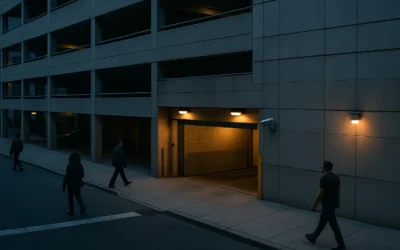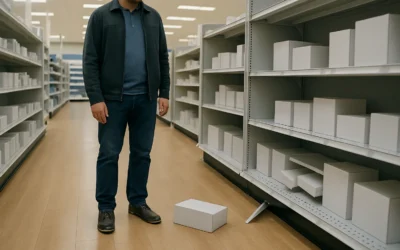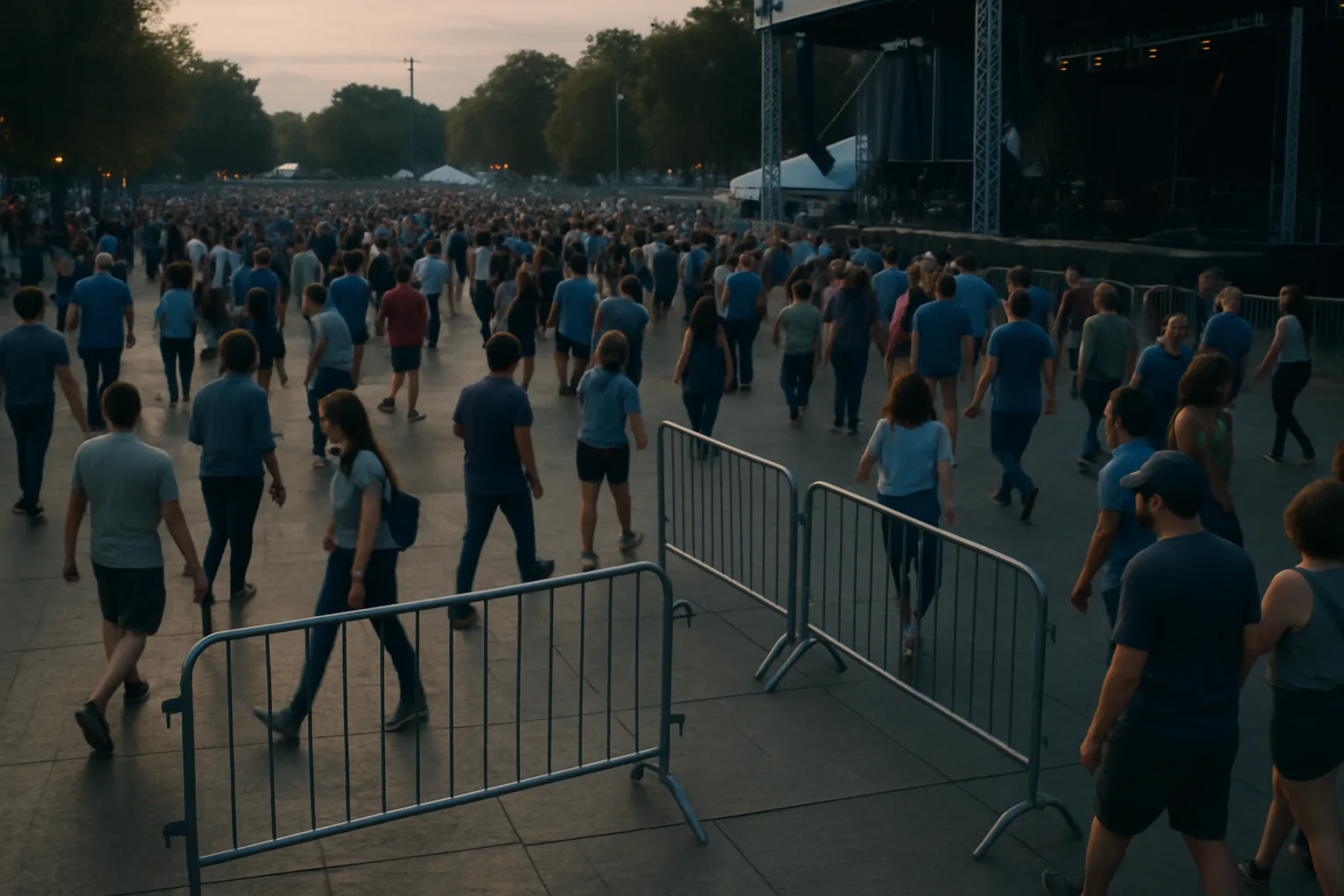
A crowded concert suddenly shifts, a temporary walkway buckles underfoot, or a poorly secured barrier falls into the audience. These incidents can cause serious injuries even when no single moment explains everything that went wrong. If you are searching for a Philadelphia event injury lawyer after an accident, understanding how event conditions are evaluated can help you organize important information.
Event injury questions often involve more than the performer or ticket seller. Venue owners, event promoters, contractors, security companies, property managers, and equipment suppliers may each have different responsibilities. Eric A. Shore helps injured people understand the premises-liability and personal-injury issues that may apply. This article explains how to assess crowd movement, temporary structures, security practices, walking surfaces, evidence, and potentially involved organizations in Philadelphia, PA; New Jersey.
What Does a Philadelphia Event Injury Lawyer Examine at a Concert or Festival?
An event injury investigation usually begins with the physical setting and the conditions that existed before the incident. A venue or event site may be permanent, temporarily adapted, or built almost entirely for a single gathering. The legal analysis can depend on who controlled the area, who created the condition, and whether the risk was reasonably foreseeable.
Crowd movement and barriers
Crowd pressure can increase near entrances, stages, merchandise areas, narrow passageways, and concession lines. Barriers that are unsecured, poorly positioned, or unable to withstand expected movement may contribute to a fall or impact. A blocked aisle or exit can also make it harder for attendees to move safely when a crowd shifts.
Questions may include:
- Was the audience directed through a safe and reasonably clear route?
- Were barriers, barricades, railings, or crowd-control devices properly placed and secured?
- Did staffing match the expected size and layout of the event?
- Were entrances, exits, and emergency routes obstructed?
Temporary structures and equipment
Stages, bleachers, tents, risers, lighting equipment, fencing, ramps, and flooring may be installed by separate contractors. A falling object, unstable structure, or defect in setup can raise questions about inspection, maintenance, installation, supervision, and control. Photos of the scene, event maps, ticket information, and witness accounts may help identify which organizations were involved.
In Philadelphia, PA; New Jersey, the responsible parties and available claims can vary with the property, event contract, and injury circumstances. A concert injury premises liability claim is not automatically established simply because an accident occurred. The condition, notice, control, and conduct of the parties generally require careful review.
Which Organizations Could Be Involved After an Event Injury?
A ticket may identify the event promoter, but that entity may not be the only organization with relevant responsibilities. Temporary events often involve a network of businesses and property interests. Potentially involved parties can include:
- Property or venue owners. An owner or long-term occupant may have duties relating to the condition of areas under its control, depending on the facts and the applicable jurisdiction.
- Event promoters and organizers. Organizers may coordinate admissions, crowd flow, staffing, schedules, and the use of temporary installations.
- Security or crowd-management contractors. Their work may involve lines, barriers, restricted areas, audience movement, and responding to developing hazards.
- Temporary-structure and equipment contractors. Companies that install stages, tents, flooring, fencing, lighting, or seating may possess important information about setup and inspection.
- Vendors and concession operators. A vendor’s equipment, queue arrangement, spill, or service area may affect the safety of nearby attendees.
- Governmental or public entities. A city, county, state, or public venue may be involved in some events, but claims against public entities can involve special procedures and limitations.
Philadelphia event operations may involve municipal permitting and inspections, but the existence of a permit does not by itself resolve every private-liability question. Similarly, an event’s security presence does not necessarily determine whether reasonable precautions were used. In New Jersey, the analysis may involve different rules from those applied in Pennsylvania. Laws and procedures vary by location and may change after publication.
A festival accident attorney may examine contracts, site plans, incident reports, staffing records, inspection materials, photographs, and communications among the organizations. Identifying the correct parties early can matter because different entities may possess different evidence and may raise different defenses.
What Evidence and Mistakes Matter in a Crowd-Control Injury Claim?
People often focus on the medical emergency and leave the event without collecting information. Medical care and personal safety are important, but evidence about a temporary event can change quickly. Generally speaking, attendees may find it useful to preserve or note:
- The exact location, route, and activity when the injury occurred
- Photos or video of barriers, flooring, stairs, debris, lighting, crowd density, or blocked paths
- The event name, ticket, wristband, receipt, and any communications about admission or access
- Names and contact information for witnesses, when available and appropriate
- Statements made by event staff, security personnel, or managers after the incident
- The date, time, symptoms reported, and medical records received from healthcare providers
Avoid altering the scene or confronting staff about fault. Social-media posts, videos taken by other attendees, and event-produced footage may later be relevant, but availability and admissibility depend on the circumstances. A person should also be cautious about making definitive public statements about what happened before the facts are fully understood.
A temporary event negligence lawyer may assess whether an organization knew or should have known about a dangerous condition, whether it created the condition, or whether its planning and response were unreasonable under the circumstances. The applicable legal theory may differ if the injury resulted from another attendee’s conduct, a defective product, a medical emergency, or an intentional act rather than a property condition.
Timing can also matter. Pennsylvania and New Jersey have different limitation periods, notice requirements, and rules that may affect claims, especially when a public entity or public property is involved. A claim involving Philadelphia County may proceed differently from one involving a New Jersey county or municipality. Because missing a deadline can affect legal rights, depending on the circumstances an attorney may advise an early jurisdiction-specific review.
Frequently Asked Questions
Can an event injury claim involve more than one responsible organization?
Yes. Depending on the facts, a claim may involve a property owner, event promoter, security contractor, temporary-structure company, vendor, or public entity. Responsibility is not assigned simply by looking at the ticket or the most visible business. Attorneys generally investigate control over the area, creation or notice of the hazard, contractual roles, and the conduct of each potentially involved organization.
Does signing a ticket waiver prevent a Philadelphia event injury claim?
Not necessarily. A ticket, release, or posted warning may become part of the legal analysis, but its effect depends on the language, circumstances, applicable Pennsylvania law, and the nature of the injury. New Jersey rules may differ. A waiver does not automatically answer questions about a dangerous condition, negligent conduct, or whether the warning fairly addressed the risk.
What if another attendee caused the crowd to move?
The movement of another attendee does not automatically eliminate every possible premises-liability question. Investigators may consider whether the event layout, barriers, staffing, announcements, or emergency response increased the risk or made the incident worse. The facts are especially important in crowded settings, where multiple conditions may contribute to an injury.
Can someone pursue a claim after being injured at a free festival?
Potentially. The absence of an admission fee does not by itself determine whether a legal claim exists. The event’s ownership, organization, location, warnings, and safety practices may still matter. Free events can involve private businesses or public entities, and different notice rules or deadlines may apply. A licensed attorney can evaluate the specific jurisdiction and circumstances.
How Eric A. Shore Can Help
Eric A. Shore is dedicated to helping injured people understand potential premises-liability and personal-injury claims involving concerts, festivals, and temporary events. The firm can review how the incident occurred, identify organizations that may possess relevant evidence, and consider whether Pennsylvania or New Jersey law applies.
A careful evaluation may include the event layout, crowd-control measures, temporary structures, walking surfaces, witness information, medical documentation, and applicable deadlines. The firm is committed to fighting for clients’ rights while providing a realistic explanation of available legal options. Contact Eric A. Shore for a free consultation or case evaluation regarding an event-related injury.
The information in this article is for educational purposes only and does not constitute legal advice. Contact a qualified attorney licensed in Philadelphia, PA; New Jersey for advice specific to your situation.