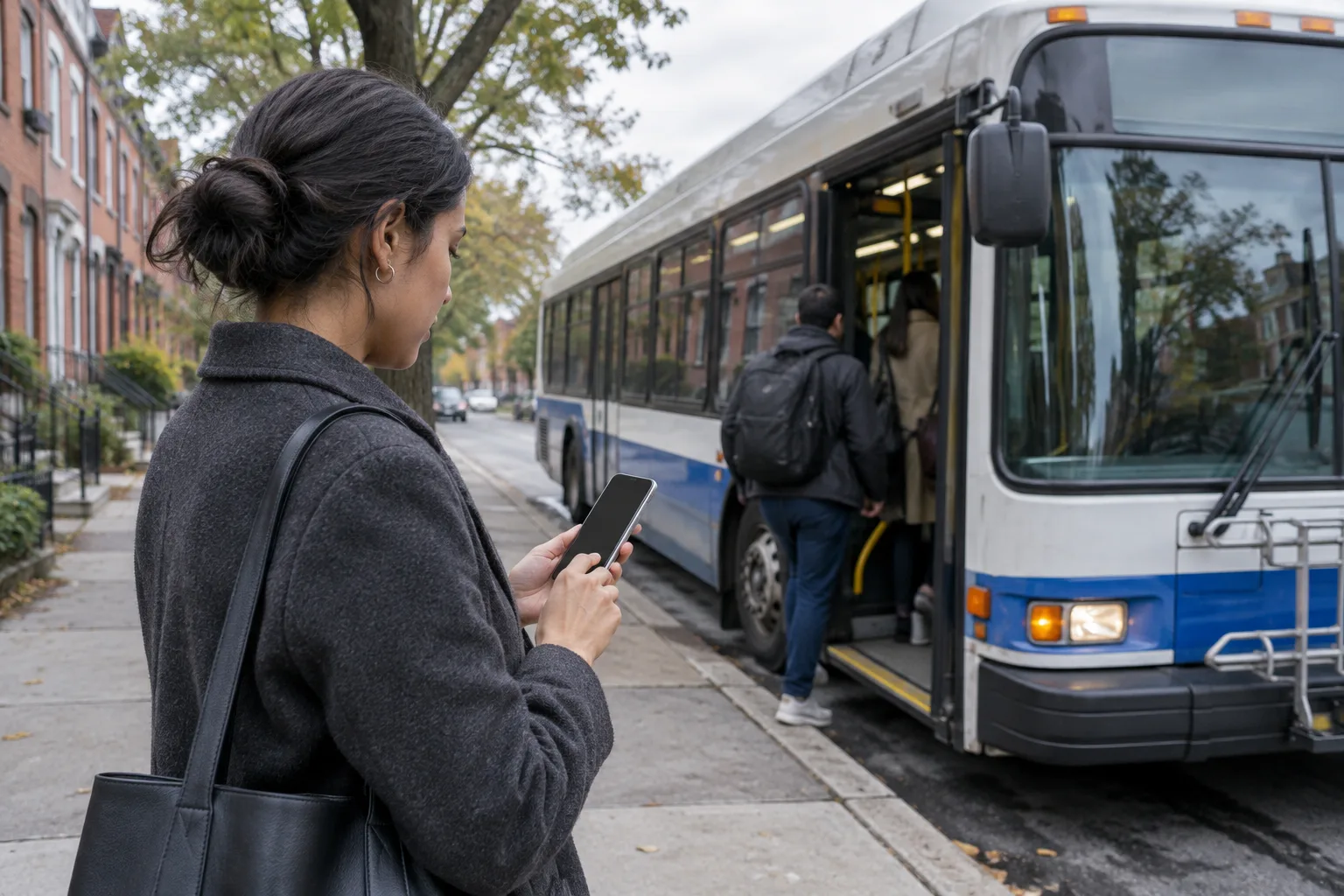
A bus incident can unfold in seconds, but important details may be hard to recall later: which vehicle you were on, where it stopped, or who saw what happened. Philadelphia SEPTA accident evidence can include much more than photographs of an injury. It may involve route and vehicle details, witness information, medical records, incident reports, and records held by transit or other entities. Eric A. Shore can help people understand how these different pieces may fit into a personal injury matter. This guide explains what to document, how to keep records organized, and why SEPTA’s own records are distinct from a police report. Evidence needs and availability depend on the circumstances, so the information here is general.
What Philadelphia SEPTA accident evidence should you record first?
Start with the basic facts that identify the trip and the event. If it is safe and practical, make a note of the date and approximate time, the route number, direction of travel, nearby intersection or stop, and where you were in or around the bus. Record any vehicle number or other identifying detail you can see without putting yourself at risk. If the incident happened at a station or stop, describe the exact area and nearby landmarks.
Identify the bus, route, and location
A route number alone may not identify a particular trip. Details such as the direction of travel, the stop where you boarded or exited, and the time window can help distinguish one bus from another. In Philadelphia, a stop near a busy intersection may serve multiple routes, so a nearby street corner or landmark can add useful context. Keep notes factual: separate what you personally observed from what someone else told you.
Preserve photos and personal notes
Photographs may show the bus interior, the step or aisle, the surrounding stop, or an object involved in the event. Keep original files when possible and avoid editing or cropping the only copy. A short note made soon after the incident can capture details that may fade from memory, including the sequence of events and where passengers were positioned. These records do not establish fault by themselves, but they can help preserve the scene as you remember it.
Which SEPTA reports and transit records may matter?
A SEPTA accident report or incident form is only one possible record. Depending on what happened, relevant information may also include dispatch or trip data, operator reports, onboard camera footage, station video, or communications about the event. These records may be held by different entities, may not be available to an injured person automatically, and may be retained for different periods. Do not assume that a video exists or that it will be preserved indefinitely.
Keep copies of any report, email, letter, claim correspondence, or reference number you receive. Check that identifying details—such as the date, location, route, vehicle, and your contact information—are recorded accurately. A Philadelphia Police report, if one exists, is separate from SEPTA’s incident documentation; neither should be treated as a substitute for the other. For a related overview, see checking a Philadelphia police report for errors.
In Pennsylvania, claims involving public entities can raise additional legal and procedural questions. The rules depend on the facts and the entities involved, and requirements may change. A transit incident might also involve a property owner, contractor, vehicle manufacturer, or another party, depending on how it occurred. An attorney can assess which records may be relevant and what options are available for requesting or preserving them. Avoid assuming that a report alone identifies every potentially responsible party.
How can you document injuries, witnesses, and follow-up?
Evidence of the event is only part of the picture. Keep records that help show what happened afterward, while following guidance from qualified health professionals about your care. Store appointment and discharge paperwork, test results you receive, and communications about missed work or changes to normal activities. A dated personal log can record symptoms and their effect on daily routines without trying to diagnose their cause. For more on documentation, see medical records that help connect injuries to an accident.
Witnesses may include other passengers, people waiting at the stop, or nearby pedestrians. If someone is willing to share contact information, record their name and a reliable way to reach them, along with a brief note about what they said they observed. Avoid suggesting what a witness should say or trying to reconcile different accounts. Separate recollections can be useful precisely because people may have seen different parts of the incident. Read more about preserving witness accounts in a Philadelphia accident claim.
Organize materials in one secure place, such as a folder for documents and a backup for digital files. Keep original messages and files when possible, and note when and how you received a report or communication. In Philadelphia, as elsewhere in Pennsylvania, a personal record can help an attorney evaluate the timeline and identify gaps, but it does not replace official records or a case-specific legal review.
Frequently Asked Questions
Should I report an injury that seemed minor at first?
The appropriate reporting steps depend on the circumstances and the process available at the scene. When an incident is reported, retaining any confirmation, contact information, or reference number can help keep the event identifiable later. A report is not a medical assessment or a determination of fault. If symptoms or concerns develop, qualified health professionals can address medical questions, and an attorney can explain how reporting may relate to a claim.
What if I do not know the bus number or route?
Not having the vehicle number does not necessarily mean the trip cannot be identified. Other details may help narrow it down, including the approximate time, direction, boarding or exit stop, nearby intersection, and route information from a receipt or trip record if available. Write down what you remember and distinguish estimates from confirmed facts. An attorney may be able to discuss whether additional identifying information can be sought.
Can I get SEPTA bus or station video myself?
Access to transit video or other internal records is not automatic, and the process can depend on the record, the circumstances, and applicable rules. Some footage may not exist or may be retained only for a limited period. A lawyer can evaluate whether a formal request or another preservation step may be appropriate. This general overview cannot determine what records are available for a particular incident.
Who may be responsible for a Philadelphia bus injury?
Responsibility depends on how the incident occurred and the roles of the people or organizations involved. Potentially relevant parties could vary by situation and may include a transit entity, a property owner, a contractor, or another party. Identifying a party from a logo, uniform, or vehicle alone may not answer the legal question. A Pennsylvania attorney can review the facts and explain which entities, if any, may warrant further evaluation.
How Eric A. Shore Can Help
A transit injury can involve evidence held by the passenger, witnesses, SEPTA, or other entities. Eric A. Shore is dedicated to helping injured people understand the records and facts that may matter, including route and vehicle identification, incident documentation, witness information, and injury-related records. The firm is committed to fighting for clients’ rights while evaluating each situation on its own facts; no particular outcome can be promised. If you were injured on or near a SEPTA bus in Philadelphia, contact Eric A. Shore’s team to discuss a free case evaluation and explore your options.
The information in this article is for educational purposes only and does not constitute legal advice. Laws vary by location and may change; contact an attorney licensed in Pennsylvania for advice specific to your situation.