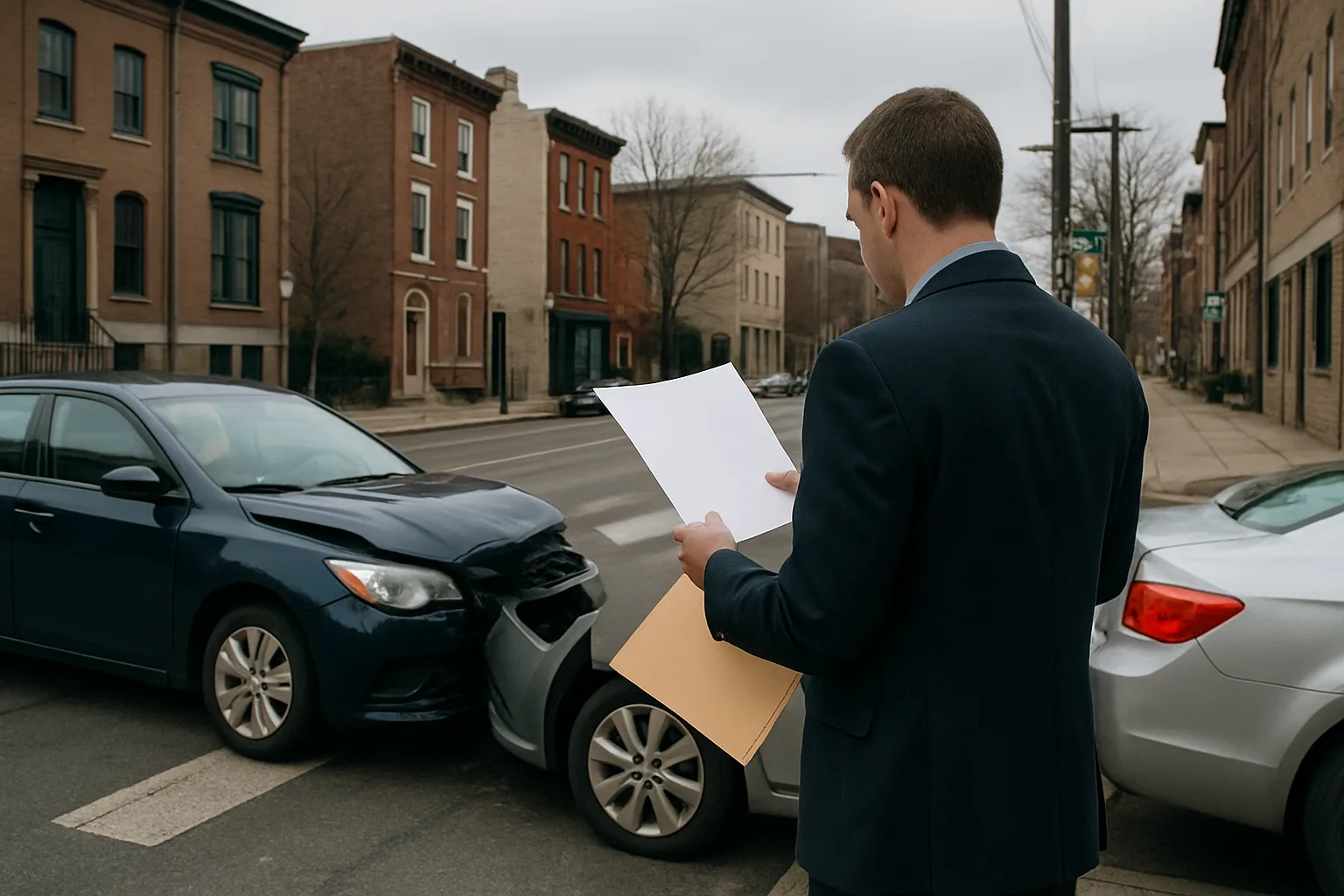
A police report is often one of the first documents an insurance adjuster reviews after a crash. But what happens when it lists the wrong vehicle, leaves out a witness, misstates who had the traffic signal, or barely describes an injury? For someone pursuing a Philadelphia police report accident claim, even a small factual error can create questions about fault, credibility, or the connection between the crash and the claimed losses.
Before focusing on the report, injured people may benefit from reviewing these steps to take after a Philadelphia car accident, including preserving photographs, obtaining medical documentation, and recording a timely account of what occurred. Eric A. Shore can help readers understand how a report fits within the larger evidence picture. This article explains how to review a report, gather evidence that may contradict it, communicate discrepancies without speculation, and understand what a corrected report can—and cannot—accomplish under Pennsylvania law.
How Can an Incorrect Philadelphia Police Report Affect an Accident Claim?
A police report may influence an insurer’s initial view of a collision, but it is generally one piece of evidence rather than a conclusive determination of legal fault. An officer may have arrived after vehicles moved, relied on brief statements, missed an independent witness, or recorded information incorrectly during a busy scene. The report may also contain observations rather than firsthand knowledge of the impact.
In Philadelphia, PA, possible errors include:
- The wrong make, model, color, or license plate information for a vehicle.
- An incorrect intersection, direction of travel, lane, or point of impact.
- A statement that one driver had a traffic signal when witnesses or video suggest otherwise.
- Omitted passengers, pedestrians, or independent witnesses.
- Incomplete descriptions of pain, visible injuries, ambulance transport, or later symptoms.
Mistakes are different from unfavorable conclusions
A factual mistake—such as a wrong vehicle description—may be addressed with supporting records. A disputed conclusion about speed, right of way, or driver behavior may require broader evidence. An officer’s notation that a person did not report pain at the scene also does not necessarily resolve whether an injury developed or was documented later, although medical records and other evidence remain important.
Why the report may matter to an insurer
Adjusters may compare the report with statements from drivers, photographs, medical records, vehicle damage, and available video. An inconsistency can prompt additional questions or become part of a liability dispute. That does not mean the claim fails automatically; it means the complete evidence should be organized and explained accurately.
What Evidence Can Challenge a Philadelphia Police Report?
A careful review should focus on what the report says, what it leaves out, and what independent evidence can test each disputed point. Do not alter original photographs, delete messages, or ask witnesses to adopt a preferred version of events.
Witnesses and intersection evidence
Witnesses may clarify vehicle movement, impact location, traffic signals, or what was said immediately after the crash. Readers should consider preserving witness accounts after a Philadelphia crash by recording names and contact information and preserving independent factual statements without coaching.
When the report addresses who had the light, relevant material may include surveillance footage, nearby business video, photographs of signal placement, roadway markings, and available timing information. Philadelphia signal data in a disputed intersection crash may help test competing accounts, but it should be considered with the rest of the scene evidence rather than treated as an automatic answer.
Vehicle, digital, and physical evidence
Depending on the vehicles and circumstances, photographs and repair estimates may reveal whether the report identifies the correct vehicle or describes the impact accurately. Some vehicles may contain event data that records limited information about speed-related conditions, braking, restraint use, or airbag deployment. Vehicle event data that may clarify a Philadelphia accident claim should be interpreted carefully because access, data limits, and context can affect its usefulness.
Other potentially relevant evidence includes:
- Dash-camera or nearby surveillance footage.
- Photos of vehicle positions, damage, debris, signs, and road conditions.
- Cellphone records or timestamps that help establish sequence, where lawfully available.
- Medical records showing when symptoms were reported and what restrictions were documented.
- Statements from passengers, pedestrians, responding personnel, or other neutral observers.
How Should You Address Errors Without Overstating the Correction?
A correction request or supplemental explanation may clarify a factual mistake, but it does not rewrite the entire investigation or guarantee that an insurer or court will accept one version of events. Procedures for obtaining or requesting changes to a Philadelphia Police Department report can vary by record type and agency process. A reader should preserve the original report and identify the specific entry that appears inaccurate.
A useful discrepancy file may include:
- A copy of the report with disputed statements noted.
- A short, factual explanation of what appears incorrect and why.
- Supporting photographs, witness contact information, video, medical records, or vehicle documentation.
- A timeline showing when important events occurred.
- Notes distinguishing what the person personally observed from what was later learned.
Communicating with an insurance company
A person may face questions about the report during a claim investigation. Before giving an insurer a recorded statement, readers may wish to understand whether to give an insurer a recorded accident statement. The key distinction is between correcting a known factual error and guessing about uncertain details. Speculation can create additional inconsistencies, while a carefully supported clarification may help the reviewer understand the record.
Injury details and damages
An incomplete injury section does not necessarily determine the full value or validity of an injury claim. However, injury-related losses generally require evidence beyond the police report. Medical records, provider restrictions, employer information, pay records, and other documentation may help establish losses. For wage-related damages, readers can review proof of lost wages in a Philadelphia accident claim. Pennsylvania rules and procedures can vary by county, case type, and changing legal authority, so the significance of any report error depends on the circumstances.
Frequently Asked Questions
Can I request a correction to a Philadelphia police accident report?
You may be able to ask the appropriate Philadelphia Police Department records or reporting unit about a factual error, but the available process depends on the report and the type of requested change. A request does not guarantee that the report will be amended. Preserve the original copy, identify the specific error, and gather objective supporting evidence. An attorney can explain potential options based on the circumstances and applicable Philadelphia procedures.
Does an incorrect report automatically make me lose my accident claim?
No. A police report can influence an insurer’s initial review, but it is generally evaluated alongside photographs, witness accounts, medical records, vehicle damage, video, and other evidence. An error may create a credibility or liability issue, especially if it is not explained. It does not automatically decide the outcome of a claim or lawsuit. The effect depends on the error, the available proof, and the disputed legal issues.
What if the report lists the wrong vehicle or driver information?
Preserve the report and collect records that show the correct information, such as photographs, insurance documents, repair records, or witness observations. Avoid changing original files or relying on assumptions. If the error affects identification, coverage, or fault, an attorney may help organize the evidence and communicate a supported correction. The appropriate response may depend on how the mistake occurred and whether other records conflict.
Can a police report leave out injuries that appeared later?
Yes, a report may contain limited information about symptoms reported at the scene. Later medical documentation can provide additional information about diagnosis, treatment, restrictions, and timing, without making the report itself a complete medical record. People should avoid exaggerating symptoms or disregarding professional medical guidance. The relationship between an accident and a later condition is fact-specific and may require records or expert interpretation.
How Eric A. Shore Can Help
Eric A. Shore is dedicated to helping injured people understand how police reports, witness accounts, photographs, medical evidence, vehicle information, and insurance communications fit together. The firm can review whether a disputed entry concerns a simple factual error, an omitted observation, or a broader disagreement about fault and injury causation. Readers can also learn more about how Philadelphia accident lawyers evaluate disputed crash evidence, including the limits of correcting a report and the importance of corroborating evidence.
The firm is committed to fighting for clients’ rights while presenting evidence accurately and responsibly. Contact Eric A. Shore for a free consultation or case evaluation to discuss your situation and explore your legal options.
The information in this article is for educational purposes only and does not constitute legal advice. Contact a qualified attorney licensed in Philadelphia, PA for advice specific to your situation.