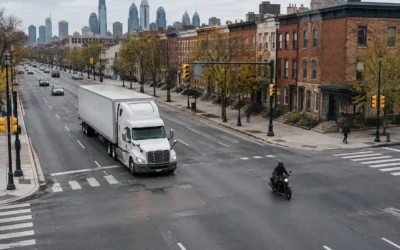
A motorcycle collision involving a driver suspected of drinking can leave an injured rider with more than one legal question. In Philadelphia, a Pennsylvania dram shop motorcycle accident claim may be considered separately from a claim against the driver, but an establishment is not automatically responsible just because a customer later caused a crash. Eric A. Shore can help readers understand the issues that may be relevant without treating suspicion as proof. For background on the separate claim against the driver, see legal options after being injured by a drunk driver. This article explains what Pennsylvania law generally considers, how different claims may be investigated, and what riders or witnesses may want to report or preserve. Facts, available evidence, and applicable deadlines can all affect a claim.
When Can a Pennsylvania Dram Shop Motorcycle Accident Claim Apply?
Pennsylvania law may permit a claim involving an alcohol-serving establishment in certain circumstances, including when alcohol was unlawfully served to a visibly intoxicated person or a minor and that person’s intoxication was connected to an injury. This is often called dram shop liability. Whether it applies depends on evidence about the service, the person’s condition at the time, and the link between the service and the collision. A crash involving alcohol, by itself, does not establish that a bar or restaurant is liable.
The driver’s liability remains a separate question
The driver’s conduct is still examined independently. Investigators may consider how the vehicle was operated, what caused the collision, and whether the driver’s impairment contributed. An establishment claim, if supported, does not replace or erase that inquiry. A rider may have potential claims involving more than one party, but responsibility and available recovery depend on the facts and applicable law. More on the driver-focused issues is available in this overview of legal options after being injured by a drunk driver.
Service and causation both matter
A possible Pennsylvania dram shop motorcycle accident claim usually calls for more than proof that the driver had consumed alcohol. Evidence may need to address what the establishment served, what employees could observe, and whether the service and resulting intoxication were causally connected to the injury. Witness recollections, video, receipts, and other records may be relevant, but no single item necessarily answers every question. In Philadelphia, as elsewhere in Pennsylvania, the legal analysis is fact-specific and may change as evidence is gathered.
What Evidence May Matter After a Drunk-Driving Motorcycle Crash?
Evidence can come from several places, and some may be short-lived. A police report may record observations, statements, witnesses, and the circumstances officers documented. It is useful to review the report for accuracy, but it is not necessarily a complete account or a final decision about fault. Riders can consult this guide to what to check in a Philadelphia crash report.
People who saw the collision or the driver beforehand may have useful observations. Their accounts should be recorded as their own recollections, not shaped by suggestions about what they ought to have seen. Contact information and the general location of a witness may help identify them later. Read more about preserving witness accounts after a Philadelphia crash.
Depending on the circumstances, potentially relevant material could include:
- Photos or video of the collision scene, vehicle positions, road conditions, and visible damage.
- The names and contact details of witnesses, along with what they independently reported observing.
- Available information about where the driver had been, such as receipts or transaction records, if lawfully obtained.
- Police or emergency-response records and any available video from nearby cameras.
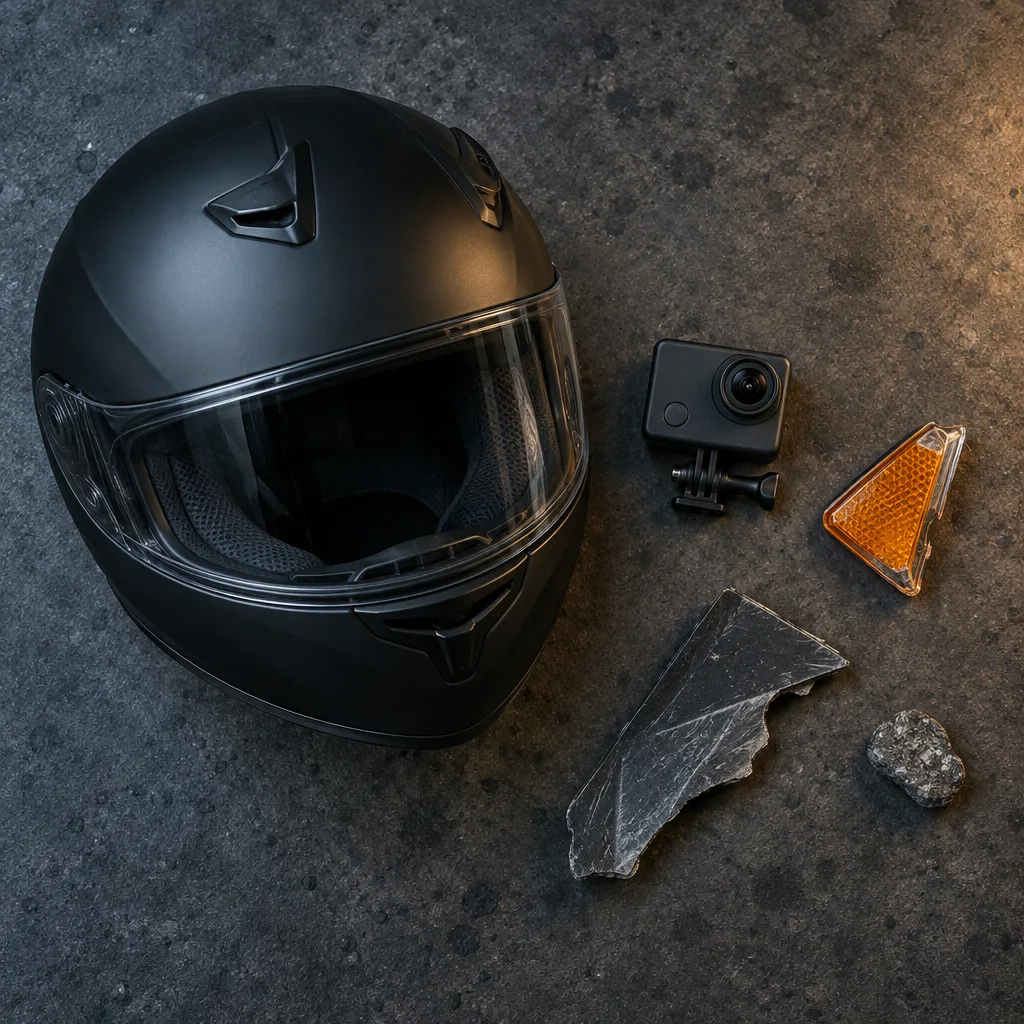
- Motorcycle, helmet, or other physical evidence that may help explain how the crash occurred.
In Philadelphia, crash information may involve the Philadelphia Police Department and other agencies, depending on the response and circumstances. A record that is relevant to one issue may not establish another: for example, proof of alcohol consumption does not alone show what an establishment knew or served. Gathering and interpreting evidence can require attention to privacy, lawful access, and preservation requirements.
How May the Claims Proceed, and What Should Riders Consider?
A rider may have a claim against the driver and, if the facts support it, a separate claim involving an alcohol-serving establishment. Each claim can require different proof, parties, and insurance inquiries. The Pennsylvania motorcycle accident claim process offers broader context on how injury claims may develop. Depending on the facts and jurisdiction, a civil case arising in Philadelphia may be handled in the Court of Common Pleas of Philadelphia County. That does not determine which parties are liable or whether a claim will succeed.
Practical steps that may help keep the factual record clear include:
- Report the collision and suspected impairment to responding authorities without guessing at facts you did not observe.
- Keep copies of information already received, such as report details, photographs, and contact information for witnesses.
- Make a note of where relevant video or other records may exist, while recognizing that access and retention vary.
- Avoid altering, discarding, or posting potentially relevant materials before understanding whether they may matter.
- Consider timely guidance about records that could be lost or overwritten. This discussion of preserving evidence in a Pennsylvania injury case explains why evidence preservation can be important.
These are general considerations, not instructions for every situation. A business’s surveillance footage, transaction records, or employee observations may not be available, and their contents should not be assumed. Applicable filing deadlines and procedures depend on the claim and circumstances. Pennsylvania law may change, and laws or procedures elsewhere can differ. An attorney can assess how the driver’s conduct, possible alcohol service, injury evidence, and insurance issues fit together.
Frequently Asked Questions
Does a bar automatically share responsibility if a driver was drunk?
No. A driver’s intoxication and a crash do not automatically establish liability for a bar or restaurant. A Pennsylvania dram shop claim may depend on evidence about the service, the person’s visible condition or age, and whether the service-related intoxication contributed to the injury. The driver’s responsibility is a separate question. The available facts and applicable law determine whether an establishment may face a viable claim.
What if I do not know where the driver was drinking?
Not knowing the driver’s prior stops does not, by itself, answer whether another party may be involved. Investigators may review available witness accounts, records, or video, if accessible and relevant. A rider should not assume that a particular establishment served the driver or that records will confirm a suspicion. A lawyer can explain what information may be obtained lawfully and how it relates to the facts of a particular Philadelphia-area crash.
Can a police report prove that a bar served the driver?
A crash report may record observations, statements, or other information gathered by responding officers, but it may not establish what happened at an earlier location. It should not be treated as a complete finding on every issue. Other sources, such as independent witnesses or records, may be relevant if available. The role and weight of each source depend on its contents and the circumstances of the collision.
Are the same deadlines used for claims against a driver and a bar?
Deadlines can depend on the parties, legal theories, and facts involved. Missing an applicable deadline may affect the ability to pursue a claim, so timing is an important issue to discuss with a qualified attorney. This article does not calculate a deadline for any reader. Pennsylvania rules may change, and claims involving other jurisdictions can be governed by different requirements.
How Eric A. Shore Can Help
Eric A. Shore is dedicated to helping injured people understand the questions that can arise after a serious motorcycle collision. When alcohol service is suspected, evaluating the matter may involve separating evidence about the driver’s conduct from evidence about what an establishment may have served or observed. The firm can review the circumstances, discuss potential parties and evidence, and explain options without assuming that any person or business is liable. If you were injured in a Philadelphia-area motorcycle crash, contact Eric A. Shore to request a free consultation or case evaluation. The team is ready to evaluate your situation and discuss possible next steps.
The information in this article is for educational purposes only and does not constitute legal advice. Contact a qualified attorney authorized to practice in the jurisdiction that applies to your matter for advice specific to your situation.