After an accident, people often focus on medical care and getting daily life back on track. Meanwhile, a vehicle may be repaired, surveillance footage may be overwritten, or a witness may become difficult to find. A destroyed-evidence issue in a Pennsylvania personal injury lawsuit can raise important questions, but a missing item does not automatically decide who is responsible or whether an injured person can prove a claim. The details matter: what the item could show, who had it, when it went missing, and whether anyone had reason to preserve it. Eric A. Shore helps people understand the legal issues that may arise in injury claims. This article explains what evidence can be lost or changed, what remedies a Pennsylvania court may consider, and how to approach preservation concerns in Philadelphia without assuming that every loss was intentional or legally decisive.
What Does Destroyed Evidence Mean in a Pennsylvania Injury Lawsuit?
Evidence may be physically destroyed, accidentally discarded, altered, or simply become unavailable. The legal concern sometimes called spoliation of evidence is not just that something is missing. A court may look at whether the evidence was relevant, who controlled it, whether there was a reason to preserve it, and how its loss affects the other side’s ability to present a case. These questions are fact-specific.
What evidence may disappear or change?
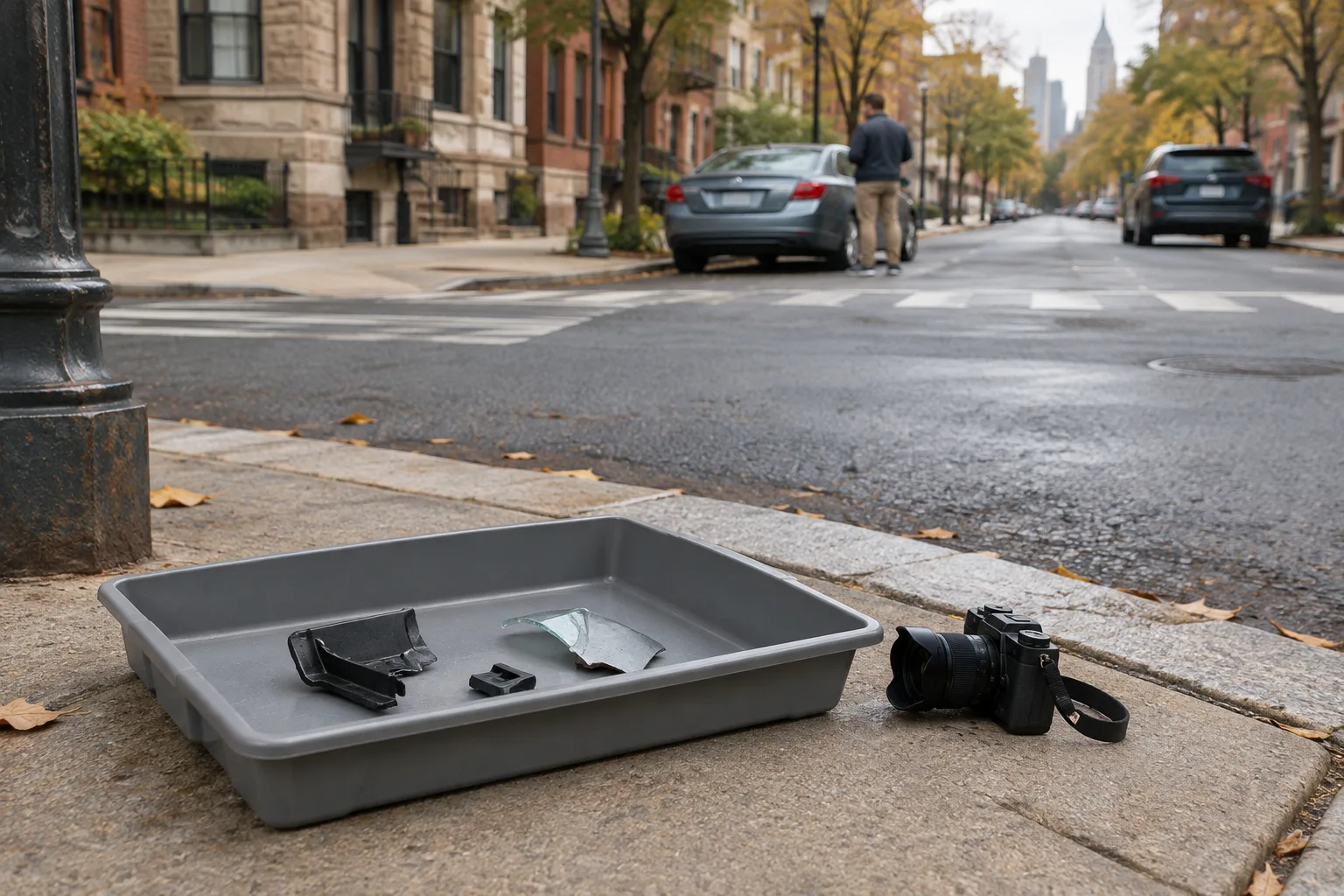
In a Philadelphia injury claim, relevant proof can include a damaged vehicle or product, photographs, surveillance recordings, phone or app data, maintenance logs, incident reports, medical records, payroll documents, and physical items from an accident scene. A guide to common types of evidence in a Philadelphia injury claim can help explain why the significance of a missing item depends on what it might have shown—not merely on its existence.
Digital information can be edited or deleted, but a single post or image may not tell the whole story. Preserving relevant material in context matters; see how social media changes can affect an injury claim. Evidence can also fade without being destroyed. Witnesses may move or memories may become less precise, which is why preserving accurate witness accounts after a Philadelphia crash can matter.
Why the type of evidence matters
For example, medical notes may help show when symptoms were reported and what providers observed, while a maintenance log may help establish when a hazard was addressed. Medical records that help connect an injury to a crash and maintenance records and prior complaints about a Philadelphia hazard are different kinds of proof, and neither is automatically conclusive. Their value depends on the issues in the case and the other evidence available.
What Remedies May a Pennsylvania Court Consider?
A missing item does not automatically produce a penalty or an advantage for either side. In Pennsylvania litigation, a court may examine the circumstances of the loss, including whether a party had control of the evidence, whether litigation was reasonably foreseeable, whether there was a duty to preserve it, and whether the loss caused meaningful prejudice. Accidental loss, routine destruction before a preservation obligation arose, and intentional destruction after a dispute became foreseeable may raise different concerns. The court considers the specific record rather than treating every missing item alike.
Depending on the circumstances and applicable law, possible responses may include:
- Allowing additional discovery to look for another source or copy of the information.
- Limiting evidence or arguments that would be unfairly affected by the loss.
- Permitting an adverse inference instruction, under which jurors may be allowed to consider whether missing evidence would have been unfavorable to the party responsible for its loss.
- Imposing other sanctions, which in especially serious cases could affect the claims or defenses at issue.
These are possibilities, not automatic results. A court may choose a narrower response if it can address the prejudice without a severe sanction. In Philadelphia, a case in the Philadelphia Court of Common Pleas would be handled under the applicable Pennsylvania procedure and the court’s management of that case. The appropriate remedy can depend on the evidence, the conduct involved, and the effect on a fair opportunity to prove or defend the claim.
Preservation may be time-sensitive when another person or organization holds relevant material. For example, evidence that may matter after a Philadelphia SEPTA bus injury may include records or recordings controlled by an organization. A timely, appropriately framed preservation request may help identify material, but it does not guarantee that the material exists or that a court will impose a particular remedy.
How Can Parties Address Missing Evidence Without Overstating It?
A measured response starts with identifying what is missing and why it could matter. A photograph, email, or video may be relevant to one disputed issue but not another. If an item cannot be found, other sources may help fill in part of the picture: copies, related business records, photographs taken by someone else, repair documentation, testimony, or records showing when the item was last available. A gap in proof is not the same as proof that a party acted improperly.
In general, people involved in a potential claim can keep relevant materials in their original form and avoid editing or selectively deleting information that may relate to the incident. A lawyer may assess whether a preservation request or formal discovery is appropriate, depending on the circumstances. It is also important to distinguish evidence held by an injured person from material controlled by a business, property owner, or other party; access and preservation responsibilities may differ.
Missing evidence can affect different parts of a claim in different ways. For instance, lost employer or payroll documentation may complicate proof of income loss, but does not automatically erase a claimed loss. See records that can help prove lost wages after an accident. Similarly, the absence of a video does not by itself establish what happened. In Philadelphia, as elsewhere in Pennsylvania, the parties and court may consider the missing material alongside available testimony, records, and physical evidence. Laws and procedures can vary by location and may change, so the applicable rules should be assessed for the specific case.
Frequently Asked Questions
Does missing evidence automatically mean I lose my injury case?
No. A missing or destroyed item does not automatically end a Pennsylvania injury claim or determine fault. Its importance depends on what it might have shown, whether other evidence addresses the same issue, who had control of it, and why it is unavailable. A court may consider the loss when evaluating the evidence, but the rest of the case still matters.
Can a court consider that a party destroyed relevant evidence?
Possibly. Depending on the facts and applicable Pennsylvania law, a court may consider whether a party had a reason to preserve the evidence, whether it controlled the item, and whether the loss unfairly affected another party. Potential responses can range from additional discovery to a tailored instruction or sanction. None applies automatically; the court evaluates the circumstances.
What if a business says its video was routinely erased?
The explanation and timing may matter. A court may consider the business’s ordinary retention practices, when the incident or potential dispute became known, whether a preservation request was made, and whether the recording could have been relevant. Routine deletion does not by itself prove misconduct, but it also may not resolve every preservation question. The specific facts are important.
Can other records help if an important item is gone?
They may. Depending on what is missing, other photographs, repair records, witness accounts, related messages, medical documentation, or business records could provide context or help address a disputed point. Alternative evidence may not replace the missing item exactly, and its usefulness varies. A lawyer can evaluate which sources may be relevant and how they fit with the available proof.
How Eric A. Shore Can Help
When important evidence is missing, understanding the timeline and the role of each person or organization can be as important as identifying the item itself. Eric A. Shore is dedicated to helping injured people understand the issues in their claims, including evidence preservation, the effect of missing proof, and the legal process in Philadelphia and across Pennsylvania. The firm can evaluate what information is available and discuss options that may fit the circumstances, without assuming that a lost item proves wrongdoing or decides the case. To discuss an accident and questions about evidence, contact Eric A. Shore for a consultation or case evaluation.
Disclaimer: The information in this article is for educational purposes only and does not constitute legal advice. Contact a qualified attorney licensed to practice in Pennsylvania for advice specific to your situation; laws vary by location and may have changed since publication.