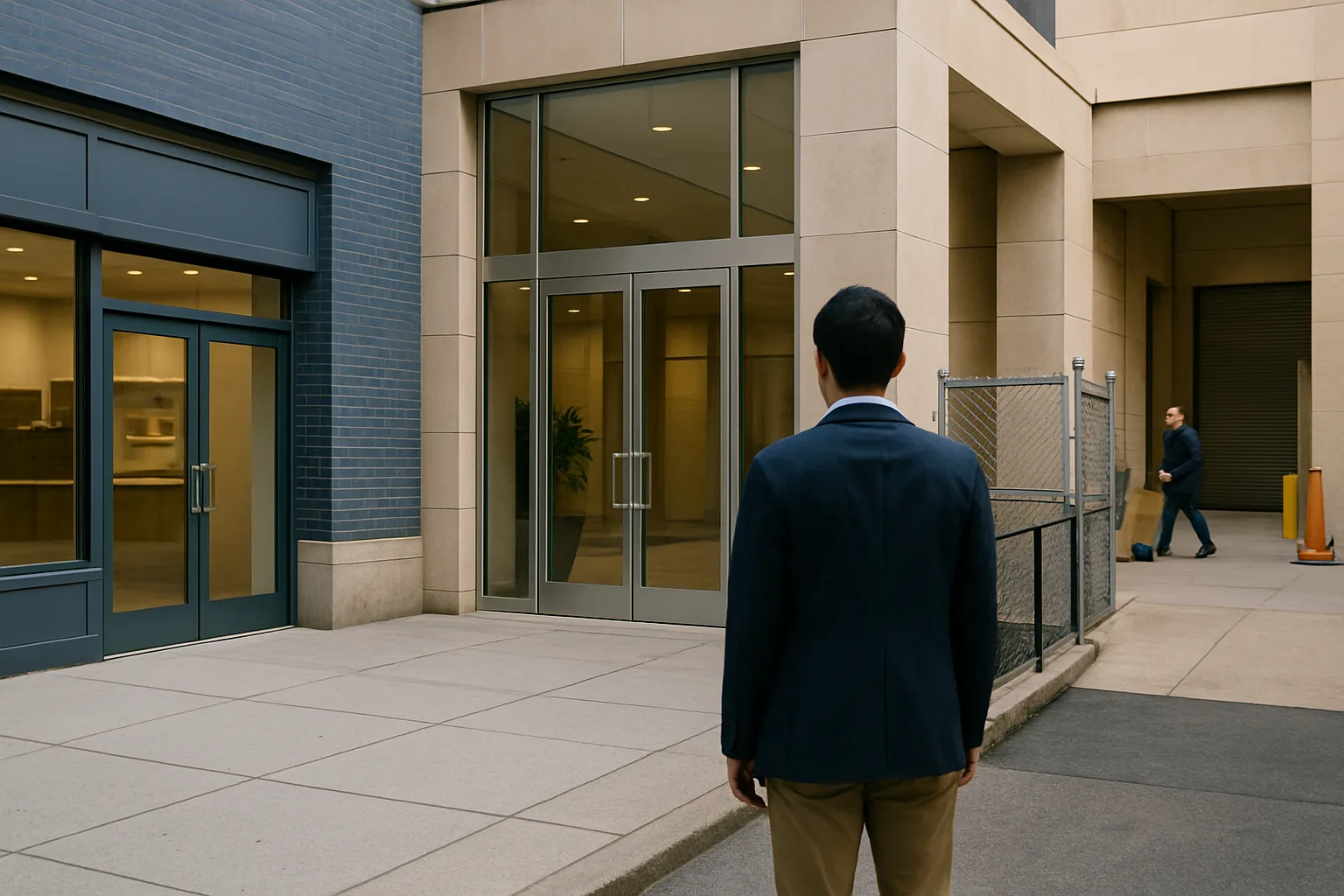
An accident in a store, office building, apartment complex, parking area, sidewalk, or loading zone can leave an injured visitor with an immediate question: who was responsible for the condition that caused the harm? In Philadelphia, the answer may not be the person who greeted you, the business whose sign you saw, or even the property owner. A tenant, manager, maintenance company, contractor, or another business may have controlled the relevant area or had a duty connected to it.
That is why Philadelphia premises liability property control can be central to an injury claim. A visitor may need to identify the precise location, the people and companies connected to it, and the way the condition was reported or maintained. Philadelphia accident lawyers handling premises-liability claims can help evaluate those overlapping roles without assuming that responsibility is obvious from appearances alone. Eric A. Shore offers a knowledgeable point of contact for understanding what evidence may matter.
This article explains how to document the scene safely, distinguish ownership from day-to-day control, investigate maintenance and notice, and preserve witness and incident-report information without confronting anyone or changing the property.
How Philadelphia Premises Liability Property Control Shapes Responsibility
Pennsylvania premises-liability questions generally focus on the condition of the property, the relationship between the visitor and the property, and what the potentially responsible party knew or reasonably should have known. Control is often important because the party able to inspect, repair, warn, restrict access, or arrange maintenance may be more relevant than the party listed on a deed.
Start with the precise location
A description such as “I fell at the shopping center” may not identify the responsible parties. The useful details can include:
- The street address and name of the property, if known
- The particular entrance, hallway, stairway, elevator, aisle, sidewalk segment, curb, lot, or loading area
- Whether the area was inside a tenant’s space or shared by multiple occupants
- Nearby businesses, building entrances, barriers, cameras, signs, or service doors
- The condition that allegedly caused the incident, such as water, debris, uneven pavement, poor lighting, or a blocked route
Documenting who controlled and maintained the Philadelphia accident location can help separate title ownership from possession, inspection, repair, and daily operations. In Philadelphia, the exact boundary between a private area, shared space, and public sidewalk may also affect which parties need to be evaluated.
Look beyond the property owner
A landlord may lease space to a business that manages its own employees and customer areas. A property manager may coordinate common-area cleaning. A contractor may handle elevators, snow removal, lighting, plumbing, or repairs. These roles do not automatically establish liability, but they can show why identifying control requires careful investigation.
How to Identify Owners, Tenants, Contractors, and Maintenance Roles
The next step is to build a factual map of the location rather than decide responsibility based on one label. A business employee may know who handles cleanup but not who owns the building. A maintenance worker may be employed by a vendor. A property manager may control common areas while a tenant controls a leased interior space.
A visitor can record information that is visible or voluntarily provided, including:
- The property or business name and full address.
- The names or descriptions of businesses occupying nearby spaces.
- Whether employees wore uniforms or identified a particular company.
- The presence of contractors, delivery crews, security personnel, or maintenance workers.
- The location of warning signs, cones, mats, cameras, doors, gates, and other controls.
- Whether staff described an incident-report process or directed the visitor to a particular manager.
This information should be gathered calmly and without arguing with employees, demanding admissions, or attempting to inspect restricted areas. A visitor may note the name of a person who voluntarily identifies themselves, but should avoid coaching statements or pressuring anyone to provide contact information.
Shared systems can involve several responsible roles
Elevators, escalators, garage gates, HVAC equipment, loading areas, and other building systems often illustrate layered responsibility. An owner may retain a service company, a manager may schedule inspections, and a tenant may control access. The records may identify who performed work, when a complaint was received, and whether a repair was pending. The roles of an owner, manager, and vendor should be evaluated from the actual agreements and conduct, not assumed from a job title. For a related example, see Philadelphia elevator owner, manager, and maintenance duties.
A grocery store or other tenant can present similar questions. Depending on the condition, responsibility may involve store employees, a landlord, a refrigeration or cleaning vendor, a delivery company, or another contractor. The issue is not simply who occupied the space; it is who controlled the hazard, knew about it, or had a role in preventing it. This is why who may be responsible for a Philadelphia grocery-store fall may require examining the specific condition and maintenance arrangement.
How to Preserve Evidence Without Confronting Anyone
Evidence can change quickly after an accident. A spill may be cleaned, a damaged surface may be repaired, a temporary barrier may be removed, or security footage may be overwritten under a routine retention policy. Preservation does not mean taking matters into your own hands. It means recording what can be safely observed and providing the information to counsel or the appropriate claims contact.
From a safe location, a visitor may be able to:
- Photograph the condition and surrounding area without moving objects, signs, debris, or equipment.
- Capture the route taken, lighting, entrances, barriers, and relationship between the hazard and the walking path.
- Note the date, approximate time, weather if relevant, and what changed after the incident.
- Preserve original photographs and videos rather than editing or adding filters.
- Record the names of witnesses, employees, contractors, or responding personnel when they voluntarily provide them.
- Ask whether an incident report was made, without insisting that anyone characterize fault.
For shared commercial spaces, evidence from Philadelphia loading zones and shared service areas may include vehicle positions, delivery activity, access routes, barriers, and the companies working in the area. The same principle applies to a lobby, parking garage, apartment common area, or sidewalk bordering a business.
Investigate notice through records, not confrontation
A party’s knowledge may be relevant in many premises cases, but visitors usually cannot obtain internal maintenance logs, inspection records, work orders, complaint histories, camera footage, or employee schedules simply by asking at the scene. Depending on the circumstances, an attorney may seek those materials through appropriate communications or formal legal procedures. Philadelphia property hazard history and prior complaints explains why incident reports and recurring-condition evidence may matter.
Witnesses can also help establish what happened, who worked in the area, or whether a condition existed before the incident. Note locations and voluntarily offered contact information, but do not coach a witness or ask anyone to alter a statement. Guidance on preserving Philadelphia accident witness accounts may help explain why early, accurate information is valuable.
Frequently Asked Questions
Does owning Philadelphia property automatically make the owner responsible for an accident?
No. Ownership may be important, but it does not automatically resolve responsibility. Depending on the facts and applicable Pennsylvania law, analysis may also consider possession, control, maintenance duties, notice, leases, contracts, and the visitor’s status. A tenant, property manager, contractor, or business may have a separate role. Because laws and duties can vary by location and may change, a Philadelphia attorney would generally review the specific property arrangement and condition.
What should I do if a business refuses to identify its property manager?
Avoid an argument or attempt to enter restricted areas. Record the business name, address, location of the incident, visible company information, and the names of people who voluntarily identify themselves. Preserve photographs and other original information from a safe place. An attorney may be able to determine ownership, management, insurance, or contractor relationships through appropriate investigation and legal procedures. A refusal at the scene does not, by itself, establish or defeat liability.
Can a landlord and tenant both be involved in a Pennsylvania injury claim?
They can both be relevant depending on the condition, the lease, the parties’ actual conduct, and any maintenance or repair arrangements. A tenant may control its customer area while a landlord or manager controls structural features or common areas. Contractors may also perform inspections or repairs. Whether a claim can proceed against one or more parties is fact-specific and should be assessed under Pennsylvania law by a licensed attorney.
Why does the exact part of a property matter after a Philadelphia accident?
The exact area can identify who possessed and maintained it. A fall in a tenant’s aisle may raise different questions from an incident on a shared sidewalk, garage ramp, lobby, loading dock, or elevator. Precise location details can also help identify cameras, employees, contractors, inspection schedules, and incident reports. Clear photographs and notes may assist an attorney in separating public, private, leased, and common areas without changing the scene.
How Eric A. Shore Can Help
Eric A. Shore is dedicated to helping injured people understand how property ownership, possession, maintenance, and business operations may overlap. The firm can review the location, condition, available photographs, witness information, incident-report details, and potentially responsible parties. That review may help identify what additional evidence should be preserved and which questions require investigation under Pennsylvania law.
The team is committed to fighting for clients’ rights while providing a clear, fact-based evaluation. If you were injured at a Philadelphia property, contact Eric A. Shore for a free consultation or case evaluation to discuss your situation and legal options.
The information in this article is for educational purposes only and does not constitute legal advice. Contact a qualified attorney licensed in Philadelphia, PA for advice specific to your situation.